Introduction
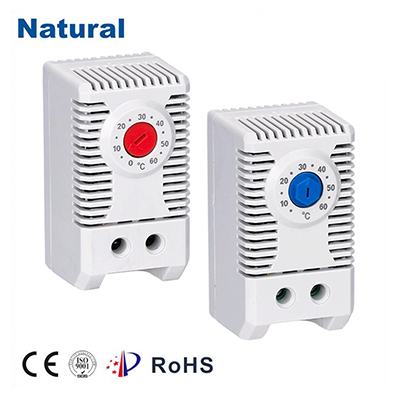
In the world of modern technology, bimetal thermostats stand as a testament to the remarkable fusion of engineering and physics. These ingenious devices have transformed the way we regulate temperature, finding applications in a wide array of industries, from household appliances to industrial machinery. This article delves into the fascinating realm of bimetal thermostats, exploring their principles of operation, diverse applications, and the advantages they bring to various sectors. Principles of Operation At the heart of every bimetal thermostat lies a simple yet ingenious principle: the differential expansion of two different metals in response to temperature changes. Typically composed of two metal strips, usually brass and steel, bonded together, these thermostats rely on the varying rates of thermal expansion exhibited by the two metals. When exposed to heat, the metal strips expand at different rates, causing them to bend. This bending is harnessed to actuate a switch, either opening or closing an electrical circuit. This basic yet effective mechanism enables bimetal thermostats to accurately detect and respond to temperature fluctuations within a specific range. As the temperature rises, the metals bend in one direction, and when the temperature decreases, they bend in the opposite direction, creating a reliable and repeatable control system. Diverse Applications Bimetal thermostats find an astonishing range of applications across industries due to their precision and simplicity. In household appliances, they regulate the temperature of ovens, refrigerators, and water heaters, ensuring that the desired temperature is maintained without constant manual adjustment. The automotive sector employs bimetal thermostats in engine cooling systems, preventing overheating and optimizing engine performance. Additionally, these thermostats play a crucial role in industrial settings, controlling the temperature in furnaces, incubators, and even in safety devices like fire alarms. Advantages of Bimetal Thermostats Reliability:Bimetal thermostats operate without the need for external power sources or complex control systems. This inherent simplicity contributes to their reliability and long-term performance. Cost-effectiveness:The manufacturing process for bimetal thermostats is relatively straightforward, leading to cost-effective production. This makes them an attractive choice for both consumer and industrial applications. Durability:The robust design of bimetal thermostats allows them to withstand challenging environments and mechanical stress, ensuring their durability in various conditions. Accuracy:Bimetal thermostats offer precise temperature control within a designated range, making them suitable for applications where maintaining a specific temperature is crucial. Safety:In safety-critical applications, bimetal thermostats provide an added layer of protection by automatically shutting down systems when temperatures exceed safe limits. Conclusion Bimetal thermostats stand as a remarkable example of how a simple concept can be harnessed to create a versatile and reliable technology. Their ability to accurately sense and regulate temperature has made them indispensable in numerous industries, enhancing efficiency, safety, and convenience. As technology continues to advance, it is evident that bimetal thermostats will remain an integral part of our lives, quietly ensuring that the world around us remains at the perfect temperature.