Power Distribution Units (PDUs) play a critical role in ensuring the smooth operation of data centers, server rooms, and various industrial settings. These devices serve as the backbone of electrical power management, helping to distribute power to connected equipment efficiently and safely. When it comes to selecting the right PDU for your specific needs, the choices can be overwhelming. In this article, we’ll compare different types of PDUs and discuss which one might be the better choice for your application.
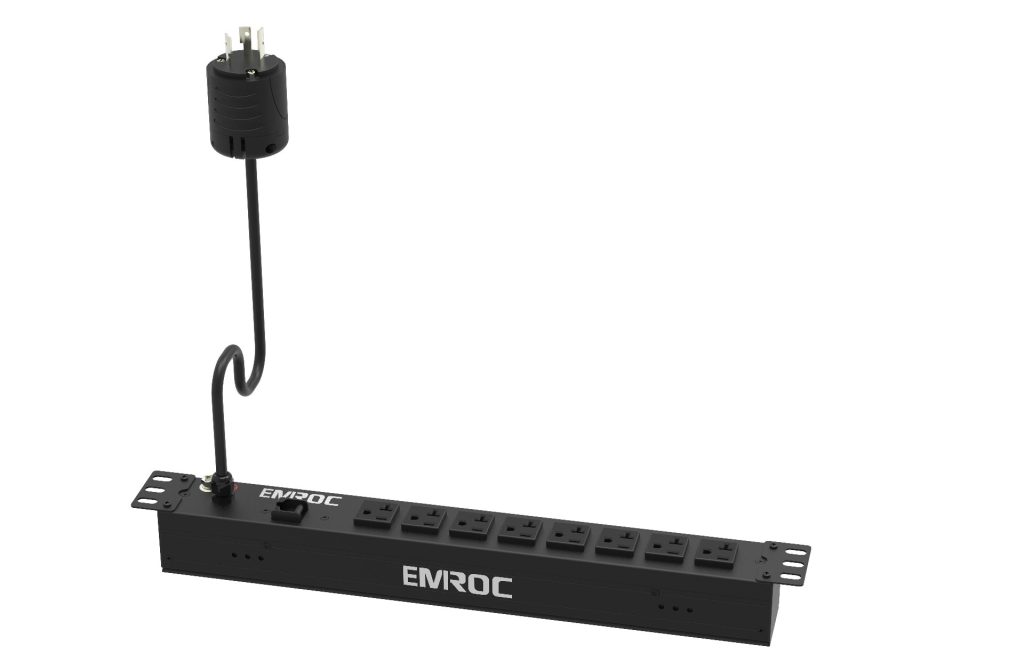
Basic PDUs: Simplicity at its Finest Basic PDUs are the simplest and most cost-effective option available. They provide a straightforward way to distribute power to multiple devices without any advanced features. Basic PDUs are essentially power strips, often with surge protection, that can be mounted on a rack or placed in a cabinet. One of the key advantages of basic PDUs is their affordability. They are ideal for small businesses or applications with budget constraints. However, their simplicity comes at a cost: lack of remote monitoring, control, and power management capabilities. If your primary concern is only distributing power without any need for remote access or automation, basic PDUs may be the right choice for you. Metered PDUs: Balancing Cost and Visibility Metered PDUs offer a middle-ground solution between basic and advanced PDUs. These units provide valuable insight into power consumption by offering metering capabilities, typically displaying real-time power usage on a built-in display or through remote monitoring software. For organizations looking to strike a balance between cost and visibility, metered PDUs are a suitable option. They provide the ability to monitor power consumption trends and identify potential issues, making them a popular choice for businesses focused on energy efficiency and cost savings. Managed PDUs: Power Management at Your Fingertips Managed PDUs are a step up in terms of sophistication. These devices come equipped with remote management features, allowing administrators to monitor and control individual outlets from a centralized interface. This level of control enables data center operators to optimize power distribution, reboot unresponsive equipment remotely, and set alarms for overloads or unusual power usage patterns. Managed PDUs are particularly advantageous for large data centers or environments where uptime and remote management are paramount. They provide the flexibility and control needed to ensure that critical equipment stays online and operational, while also enhancing energy efficiency by allowing for intelligent power cycling and load balancing. Switched PDUs: Advanced Control and Automation Switched PDUs take power management to the next level by offering not only monitoring and control but also automation capabilities. These units enable users to automate power sequencing, schedule equipment power cycling, and perform load shedding during peak demand periods. In addition to remote monitoring and control, switched PDUs often integrate with environmental sensors and provide data on temperature, humidity, and other environmental factors. This holistic approach to power and environmental management can help organizations optimize their data center operations for both performance and sustainability. Conclusion: Choosing the Right PDU for Your Needs Selecting the best PDU for your application depends on your specific requirements, budget constraints, and long-term goals. Basic PDUs are a cost-effective choice for simple power distribution needs, while metered PDUs provide valuable power consumption insights. Managed PDUs offer remote management capabilities for enhanced control, and switched PDUs take automation to the next level. Consider your organization’s unique needs, such as the criticality of uptime, the importance of energy efficiency, and the scale of your operations, when making your decision. In many cases, a combination of different PDU types might be the most effective approach to meet your diverse power management needs. Ultimately, the right PDU choice will help ensure the reliability, efficiency, and performance of your electrical infrastructure.