In today’s technology-driven world, the efficient and reliable distribution of electrical power is a critical aspect of ensuring the smooth operation of various industries. Power Distribution Units (PDUs) play a pivotal role in this process by managing and distributing power from a single source to multiple devices. This article delves into the significance of PDUs, their types, features, and their contribution to optimizing power usage and enhancing overall operational efficiency.
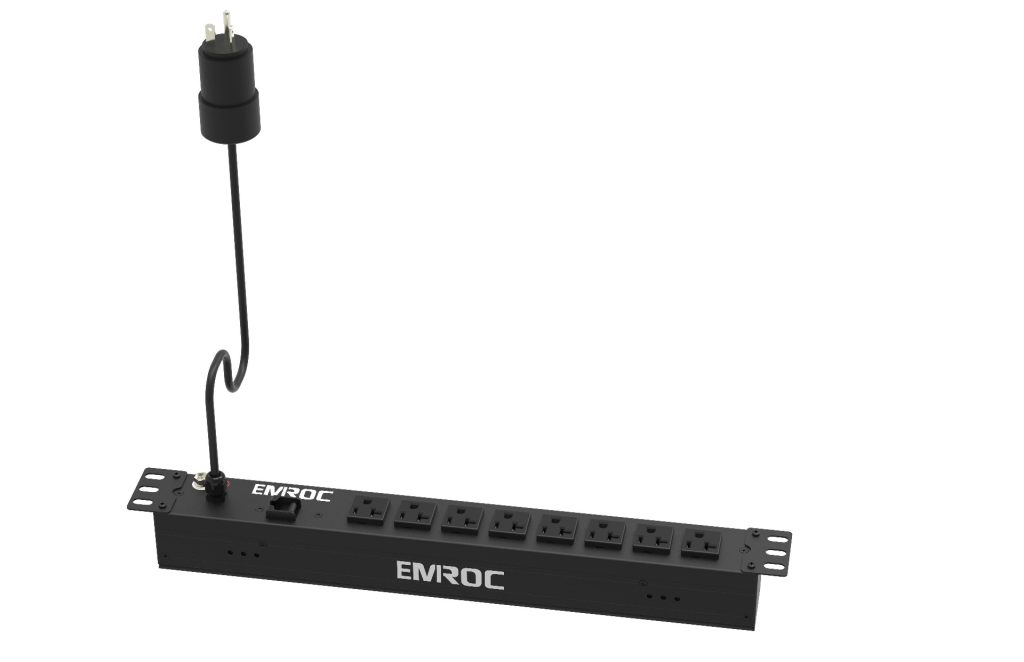
Understanding Power Distribution Units A Power Distribution Unit (PDU) is a device used to control the distribution of electric power to multiple devices within a data center, industrial facility, or commercial space. PDUs serve as a centralized point of control, allowing administrators to monitor, allocate, and regulate power usage to different equipment. By preventing power overloads and ensuring uniform power distribution, PDUs help safeguard critical electronic systems from downtime and damage. Types of PDUs PDUs come in various types, each designed to cater to specific needs and environments. The primary types include: Basic PDUs:These PDUs offer simple power distribution without any advanced features. They are ideal for situations where remote monitoring and control are not required. Metered PDUs:Metered PDUs provide the ability to monitor power consumption at the outlet level. This information is valuable for tracking energy usage, identifying potential inefficiencies, and managing capacity planning. Switched PDUs:Switched PDUs go a step further by allowing remote control of individual outlets. This feature is beneficial for rebooting devices remotely, load shedding during peak demand, and isolating malfunctioning equipment. Monitored and Switched PDUs:These combine the features of metered and switched PDUs, offering both power consumption monitoring and remote outlet control. Intelligent PDUs:Intelligent PDUs provide advanced monitoring, analytics, and management capabilities. They often include features like environmental monitoring (temperature, humidity), predictive maintenance insights, and integration with other data center management systems. Features and Benefits PDUs offer several key features that contribute to improved efficiency and effectiveness: Remote Monitoring and Control:PDUs enable administrators to monitor power usage, voltage, and current remotely. This proactive approach helps in identifying irregularities and potential issues before they escalate. Load Balancing:PDUs facilitate the distribution of power evenly across connected devices. Load balancing prevents overloading of circuits and reduces the risk of downtime due to tripped breakers or blown fuses. Energy Efficiency:By tracking power consumption at the outlet level, PDUs help organizations identify energy-hungry devices. This information allows for targeted efforts to reduce power wastage, leading to cost savings and reduced carbon footprint. Capacity Planning:Metered and intelligent PDUs provide insights into power usage trends. This data aids in effective capacity planning, ensuring that power resources are allocated optimally as the infrastructure grows. Remote Management:Switched and intelligent PDUs allow remote power cycling of individual outlets. This capability can save time and resources by avoiding the need for physical intervention when devices become unresponsive. Conclusion In the realm of modern technology, the reliable distribution of electrical power is a non-negotiable requirement. Power Distribution Units (PDUs) serve as the linchpin of efficient power management by offering various types and features that empower administrators to regulate power distribution, monitor consumption, and enhance overall efficiency. As industries continue to rely heavily on electronic systems, the role of PDUs in maintaining uptime, preventing outages, and optimizing power usage remains indispensable.