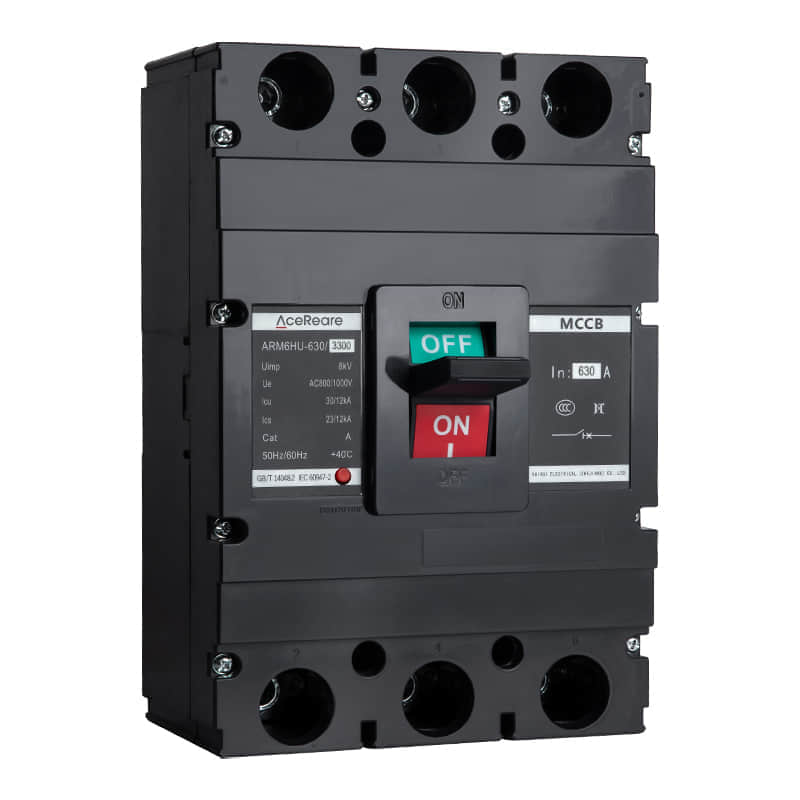
Molded case switches, often referred to as MCCBs (Molded Case Circuit Breakers), are essential components in electrical systems. These switches play a pivotal role in ensuring the safety, reliability, and efficiency of electrical circuits. In this article, we will delve into the features, benefits, and applications of molded case switches.
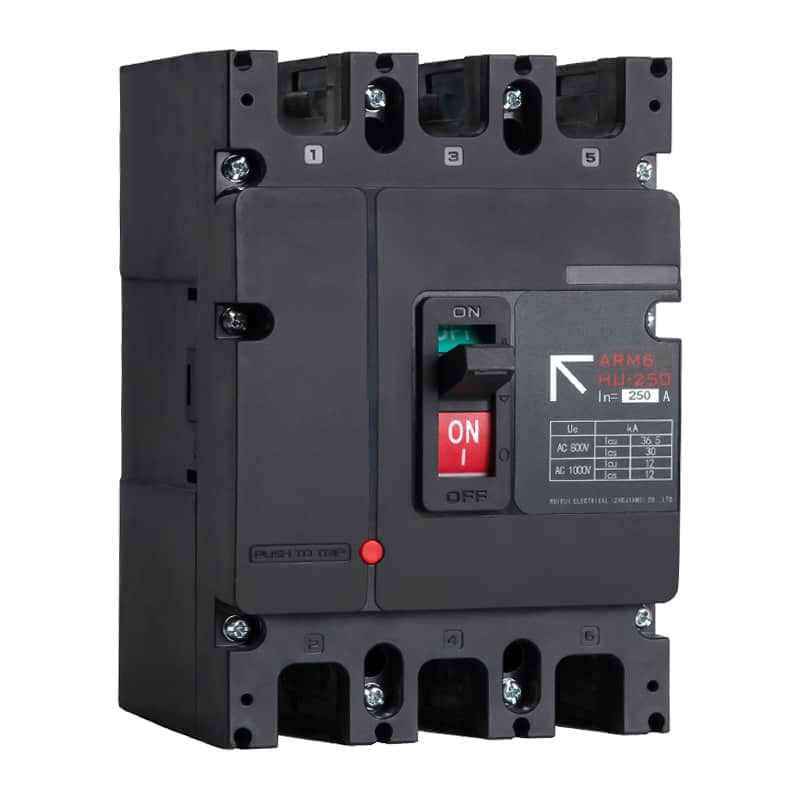
Features of Molded Case Switches:
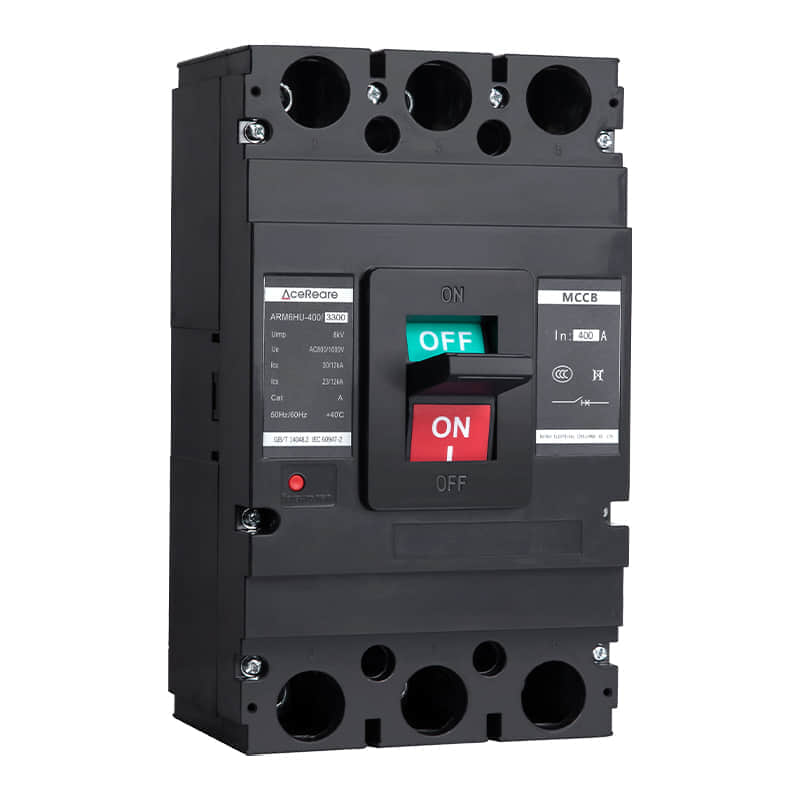
Molded case switches are designed with several key features that contribute to their effectiveness in electrical systems: Robust Construction:These switches are built with sturdy materials that enhance their durability and resistance to wear and tear. The molded case housing provides protection against environmental factors such as dust, moisture, and vibrations. Thermal and Magnetic Protection:Molded case switches are equipped with thermal and magnetic trip elements that enable them to respond to both overcurrent and short-circuit conditions. This ensures prompt interruption of the circuit in case of faults. Adjustable Settings:Many molded case switches allow for adjustable trip settings, enabling customization based on the specific requirements of the electrical system. Current Limiting:MCCBs are capable of limiting the fault current, which prevents excessive current from flowing through the circuit during a fault condition. Benefits of Molded Case Switches: The implementation of molded case switches offers several notable benefits: Enhanced Safety:Safety is paramount in electrical systems. MCCBs provide reliable protection against overloads and short circuits, reducing the risk of electrical fires and hazards. Ease of Use:These switches are user-friendly, often featuring clear indicators for circuit status and easy-to-operate handles for manual switching. Space Efficiency:Compared to traditional fuses and other circuit protection devices, MCCBs are compact and require less space in electrical panels. Cost-Effective:While the initial investment might be higher than some alternatives, molded case switches prove cost-effective in the long run due to their extended lifespan and reduced maintenance needs. Remote Control and Monitoring:Advanced MCCBs can be integrated into smart electrical systems, allowing for remote control, monitoring, and diagnostics. This feature is particularly valuable for industrial applications. Applications of Molded Case Switches: Molded case switches find applications across various sectors and industries: Residential:In homes, MCCBs are used to protect circuits from overloads, ensuring the safety of household appliances and electrical systems. Commercial Buildings:From office spaces to shopping centers, molded case switches are employed to safeguard electrical equipment and prevent disruptions in business operations. Industrial Facilities:In factories and manufacturing units, MCCBs provide essential protection for machinery and production processes. Their remote control capabilities simplify maintenance procedures. Renewable Energy Systems:Molded case switches are integrated into solar and wind energy systems to manage power distribution and protect against electrical faults. Data Centers:Data centers rely on MCCBs to maintain uninterrupted power supply to servers and networking equipment. The remote monitoring feature aids in efficient facility management. In conclusion, molded case switches are indispensable components in modern electrical systems. Their durability, reliability, and advanced features make them a crucial element for ensuring the safety and efficiency of circuits across residential, commercial, industrial, and renewable energy applications. As technology continues to evolve, these switches are likely to become even more intelligent and integrated, further enhancing their role in the ever-expanding electrical landscape.