In today’s world of rapidly evolving technology, energy efficiency has become a crucial consideration across a wide range of devices. One such innovation that helps achieve energy efficiency without compromising functionality is the low-power relay. This small yet powerful device has become an essential component in various fields, from home automation to automotive systems. Understanding the principles, applications, and advantages of low-power relays can provide insight into their growing significance in the modern technological landscape.
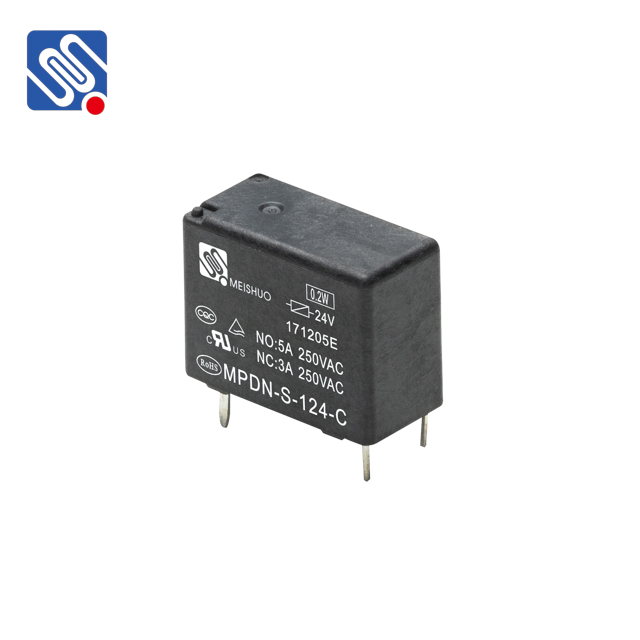
What is a Low-Power Relay? A low-power relay is a type of electromechanical switch that operates using minimal electrical power. Unlike traditional relays, which require relatively higher voltages and currents to function, low-power relays are designed to work with smaller amounts of power, making them ideal for energy-efficient applications. They operate on a simple principle: when a small electrical current or voltage is applied to the relay’s control coil, the relay switches its contacts to either complete or break an electrical circuit, allowing current to flow through a secondary circuit.