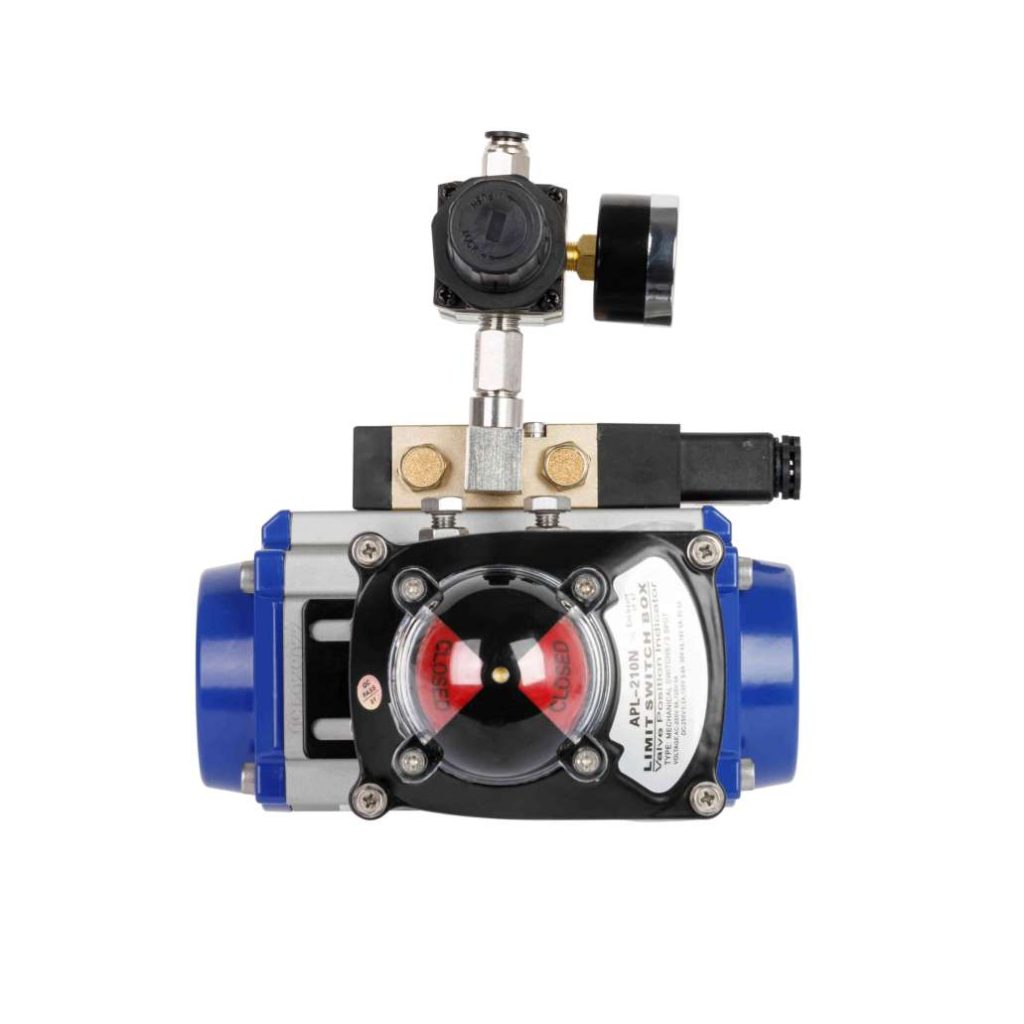
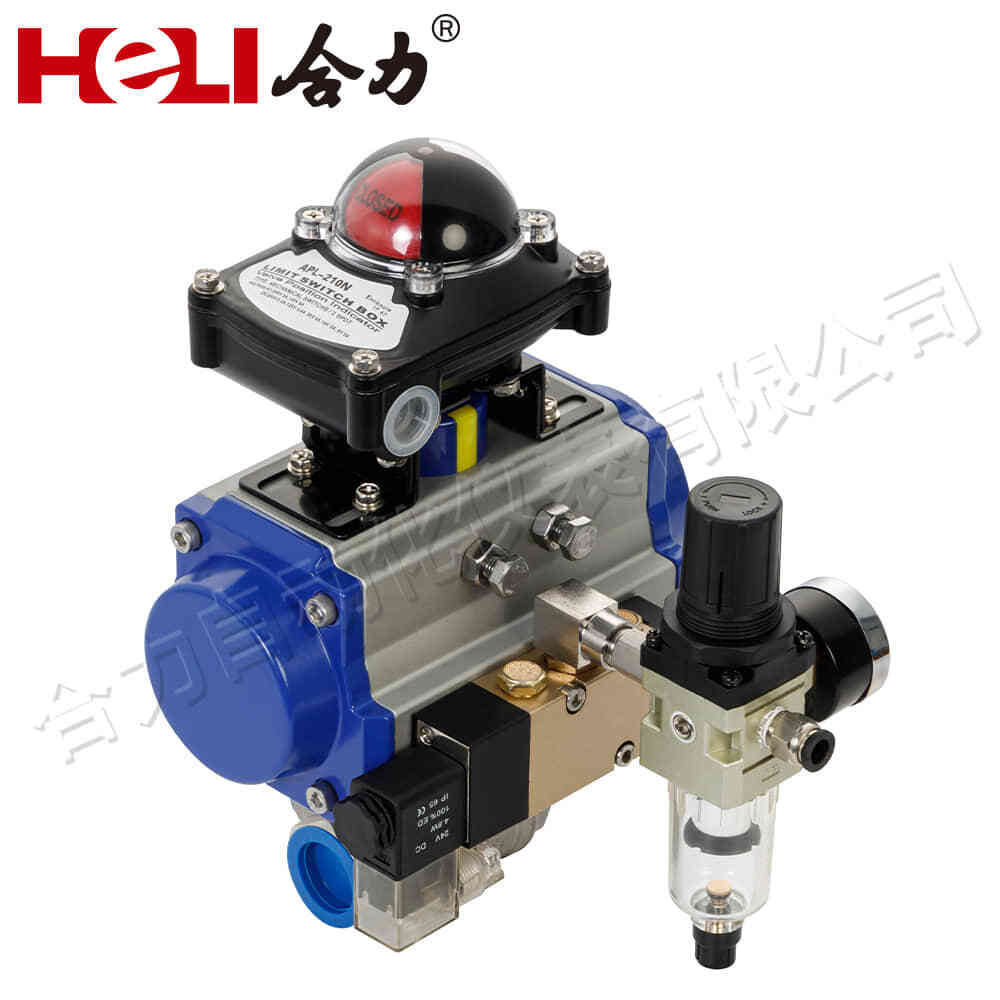
Pneumatic actuators are critical components in modern industrial automation and control systems, leveraging compressed air to generate mechanical motion. These devices are widely used across various sectors, including manufacturing, oil and gas, food processing, and robotics. This article explores the mechanisms, types, advantages, and applications of pneumatic actuators, providing a comprehensive overview for those interested in industrial automation.
Mechanism of Pneumatic Actuators
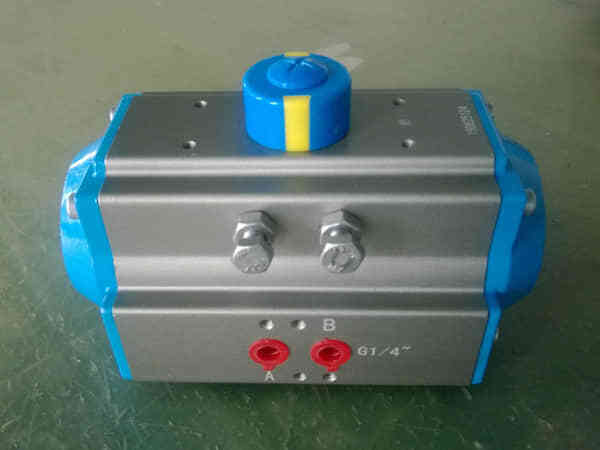
Pneumatic actuators operate on the principle of converting the energy from compressed air into mechanical motion. When air is supplied to the actuator, it fills a chamber, causing a diaphragm or piston to move. This movement can be linear or rotary, depending on the actuator design. The primary components of a pneumatic actuator include: Piston or Diaphragm: The core element that converts air pressure into mechanical movement. Cylinder: The chamber that houses the piston, allowing it to move in a controlled manner. Air Supply: Compressed air that powers the actuator, usually sourced from a compressor.