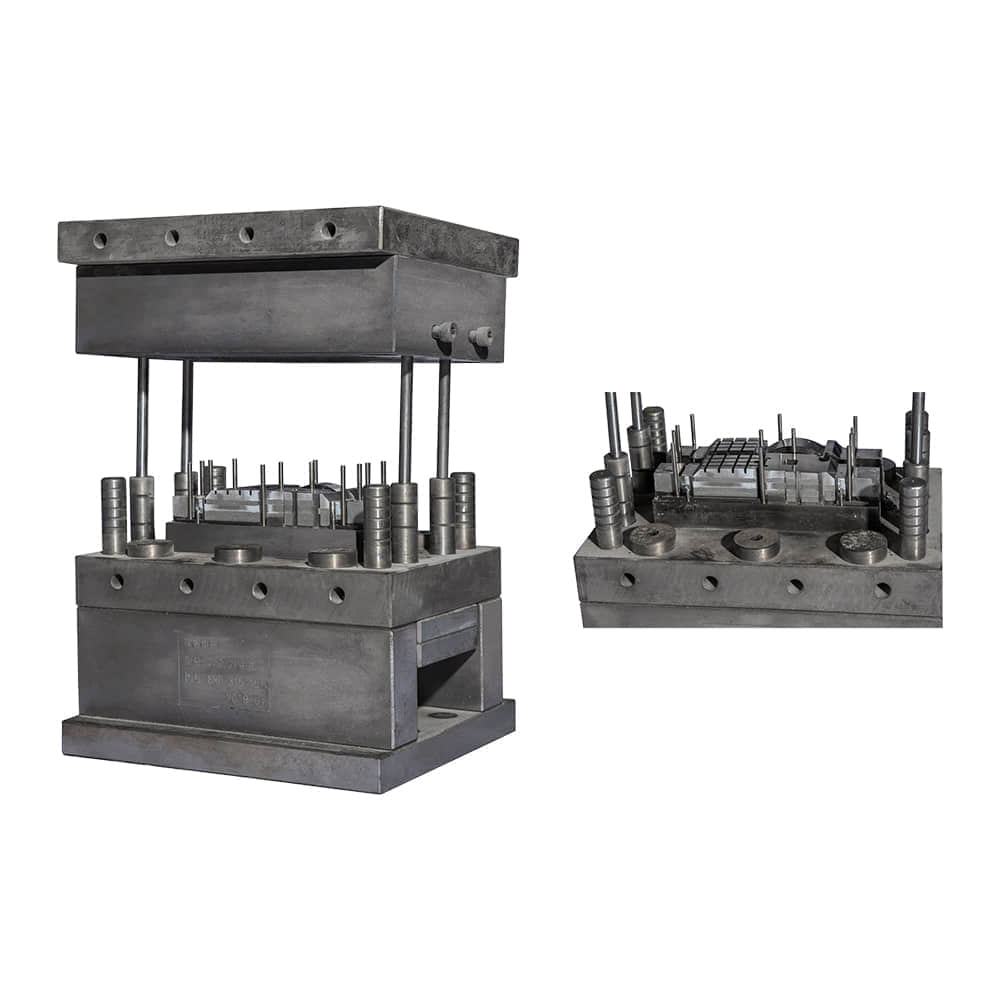
In the realm of electrical engineering, the quest for innovation and efficiency continues unabated. One integral aspect of this pursuit is the manufacturing of Molded Case Circuit Breaker (MCCB) Bulk Molding Compound (BMC) parts. These components play a pivotal role in ensuring the safety and reliability of electrical systems. As technology evolves, so too do the methods and materials used in their production. This article explores the advancements in manufacturing MCCB BMC parts and the pivotal role played by manufacturers in this domain.
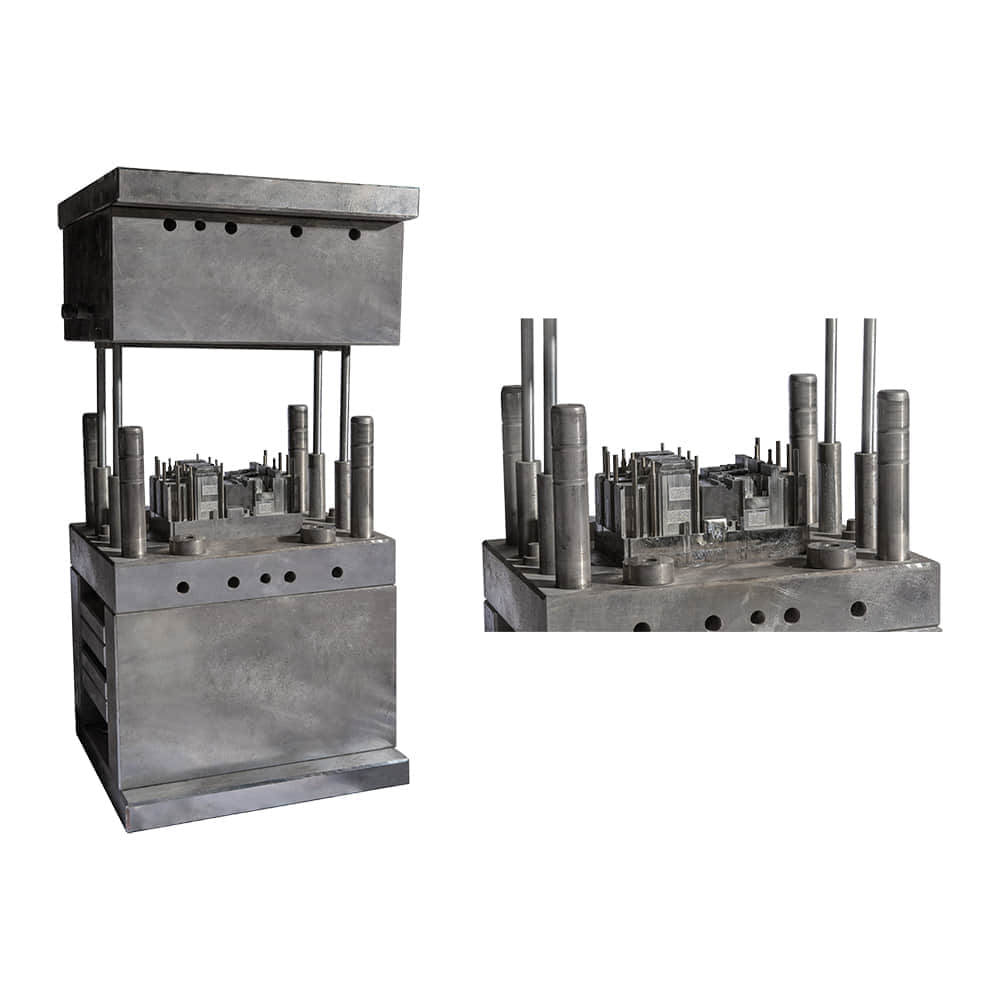
The Evolution of MCCB BMC Parts Manufacturing
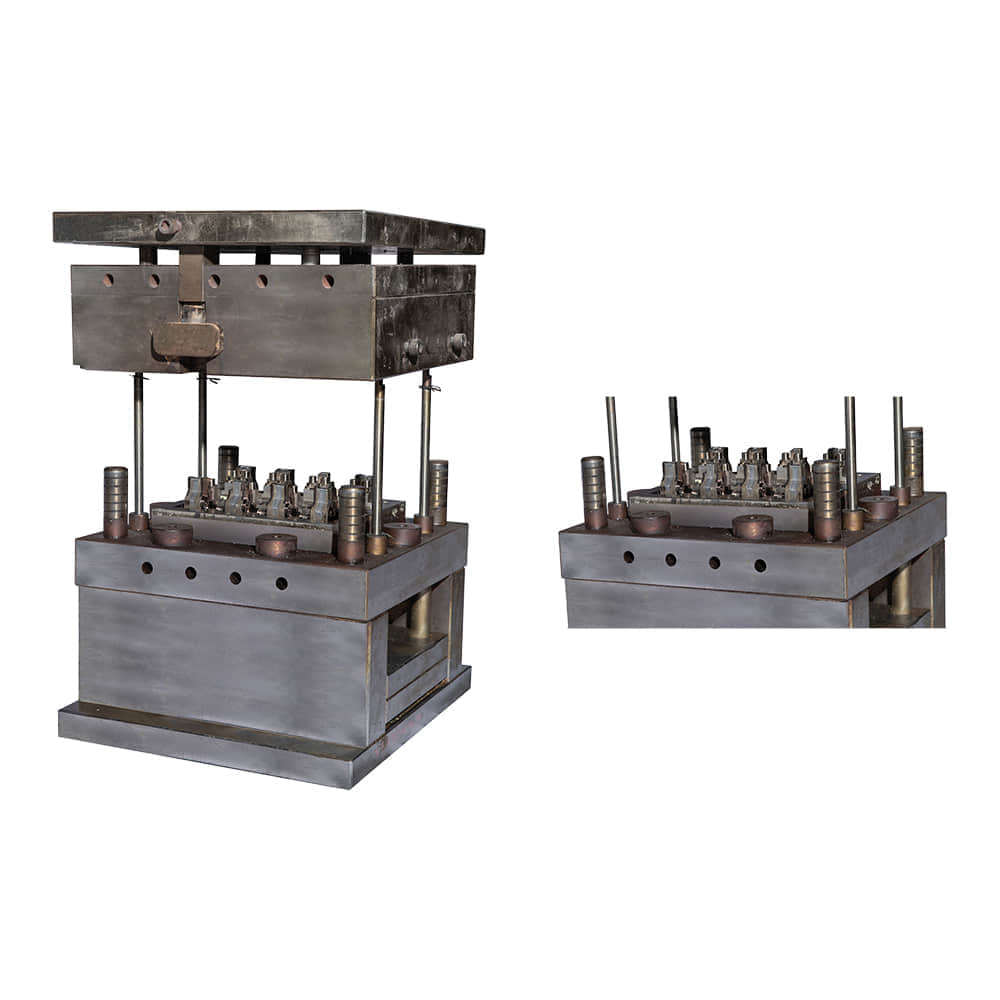
MCCBs are crucial components in electrical systems, providing protection against overloads and short circuits. To ensure their optimal performance, the materials used in their construction must exhibit superior insulation, mechanical strength, and resistance to heat. This is where Bulk Molding Compound (BMC) comes into play. BMC is a composite material made up of various components such as thermosetting resin, fiber reinforcements, and fillers. Its versatility and excellent molding properties make it an ideal choice for MCCB parts manufacturing. Precision Engineering and Design Manufacturers of MCCB BMC parts have made significant strides in precision engineering and design. Computer-aided design (CAD) and simulation tools enable engineers to create intricate and precise molds, resulting in components with tight tolerances and consistent performance. Advanced design capabilities also facilitate the integration of additional features, such as enhanced thermal management and arc quenching, leading to MCCBs with improved overall efficiency. Material Innovations One of the cornerstones of MCCB BMC parts manufacturing is the continuous innovation in materials. Manufacturers are constantly researching and developing new formulations of BMC that offer better electrical and thermal properties. These advancements translate into MCCBs that can handle higher currents, operate at elevated temperatures, and withstand harsh environments without compromising safety. Automation and Smart Manufacturing The digital revolution has not bypassed the manufacturing of MCCB BMC parts. Smart manufacturing practices and automation have revolutionized production lines, leading to increased efficiency and reduced human error. Automated processes, such as material mixing, injection molding, and quality inspection, ensure consistent quality across batches. Additionally, real-time monitoring and data analysis allow manufacturers to identify trends and implement improvements swiftly. Sustainability and Environmental Considerations In the modern manufacturing landscape, sustainability is a pressing concern. MCCB BMC parts manufacturers are increasingly adopting eco-friendly practices. This includes the use of recyclable materials in BMC formulations, reduction of waste through optimized production processes, and energy-efficient manufacturing techniques. By aligning with global environmental goals, manufacturers contribute to a greener future. Quality Assurance and Standards Manufacturers of MCCB BMC parts are subject to stringent quality standards and regulations. These standards, such as those set by international organizations like IEC and UL, ensure that the produced components meet safety, performance, and reliability criteria. Rigorous testing procedures, including electrical, mechanical, and thermal tests, are conducted to guarantee that MCCBs perform flawlessly in real-world scenarios. Collaboration and Industry Outlook The journey of manufacturing MCCB BMC parts is not a solitary endeavor. Collaboration between manufacturers, suppliers, researchers, and end-users is vital for driving innovation and addressing industry challenges. As electrical systems become more complex and demanding, the future holds the promise of even more advanced MCCB BMC parts that can cater to evolving needs. Conclusion The manufacturing of MCCB BMC parts has evolved significantly, driven by technological advancements, material innovations, and a commitment to quality and sustainability. As electrical systems continue to transform, these components play an indispensable role in safeguarding infrastructure and ensuring reliable performance. With precision engineering, material breakthroughs, automation, and a strong focus on sustainability, manufacturers in this domain are shaping the future of electrical safety and efficiency.