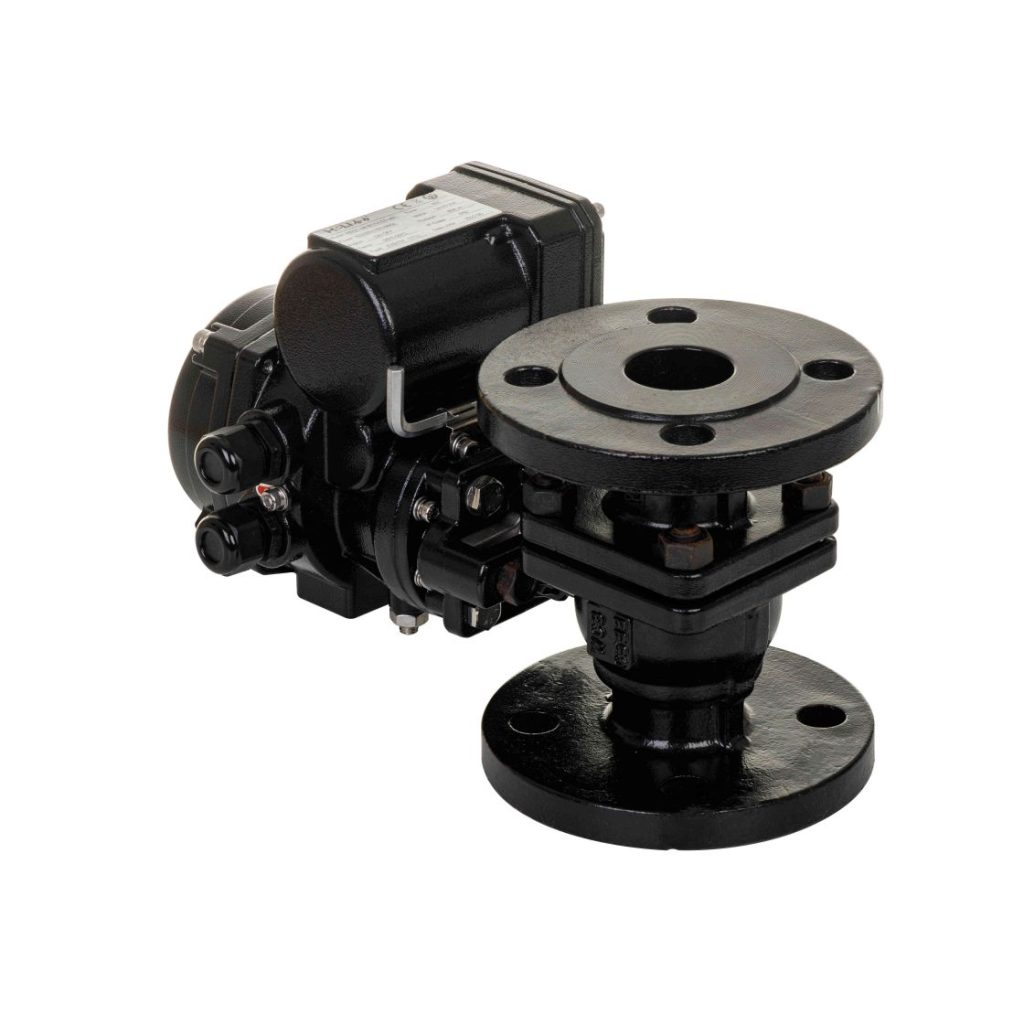
The Stainless Steel Electric Flange Ball Valve is a crucial component used in modern fluid control systems. It combines the versatility and durability of stainless steel with the automation provided by electric actuators, making it ideal for a wide range of industries such as water treatment, oil and gas, chemical processing, and HVAC systems. This article explores the advantages, features, applications, and key considerations of stainless steel electric flange ball valves, emphasizing their role in optimizing fluid flow management.
Introduction to Stainless Steel Electric Flange Ball Valve
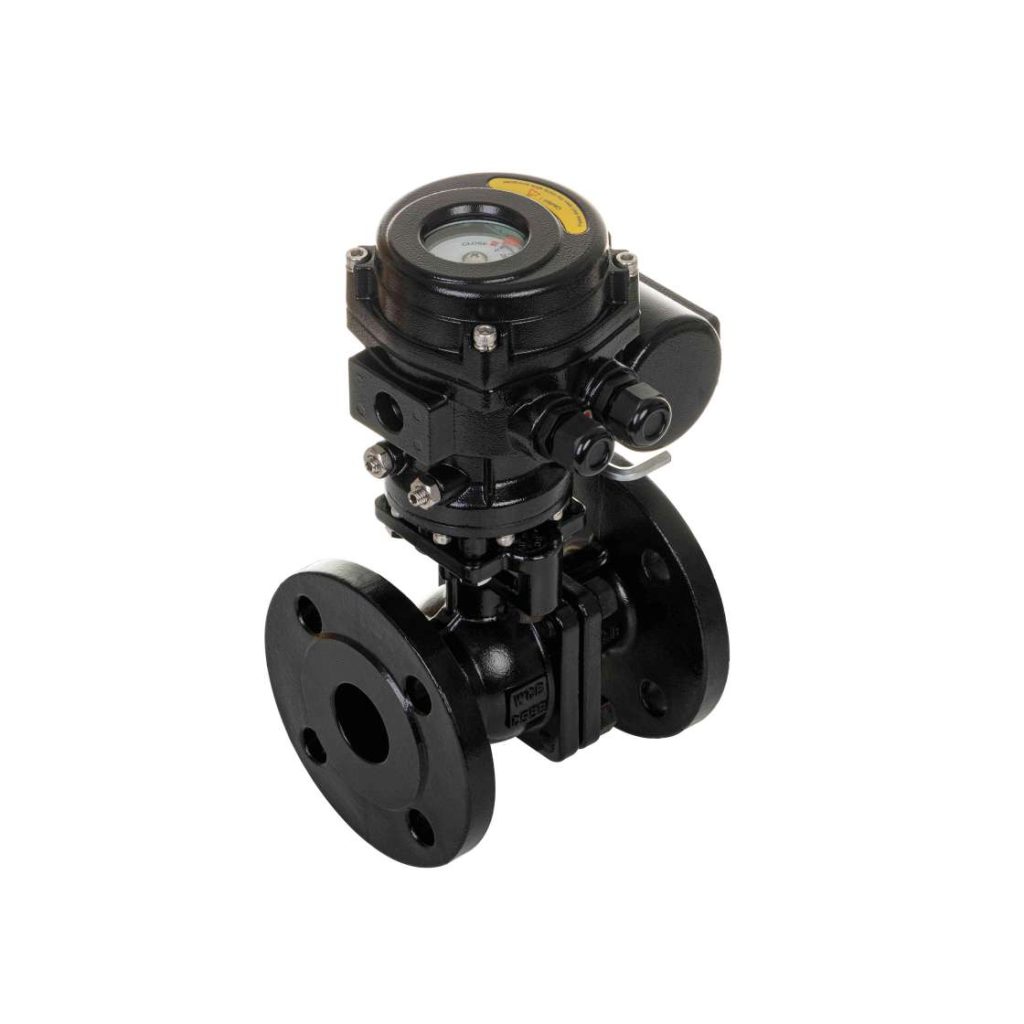
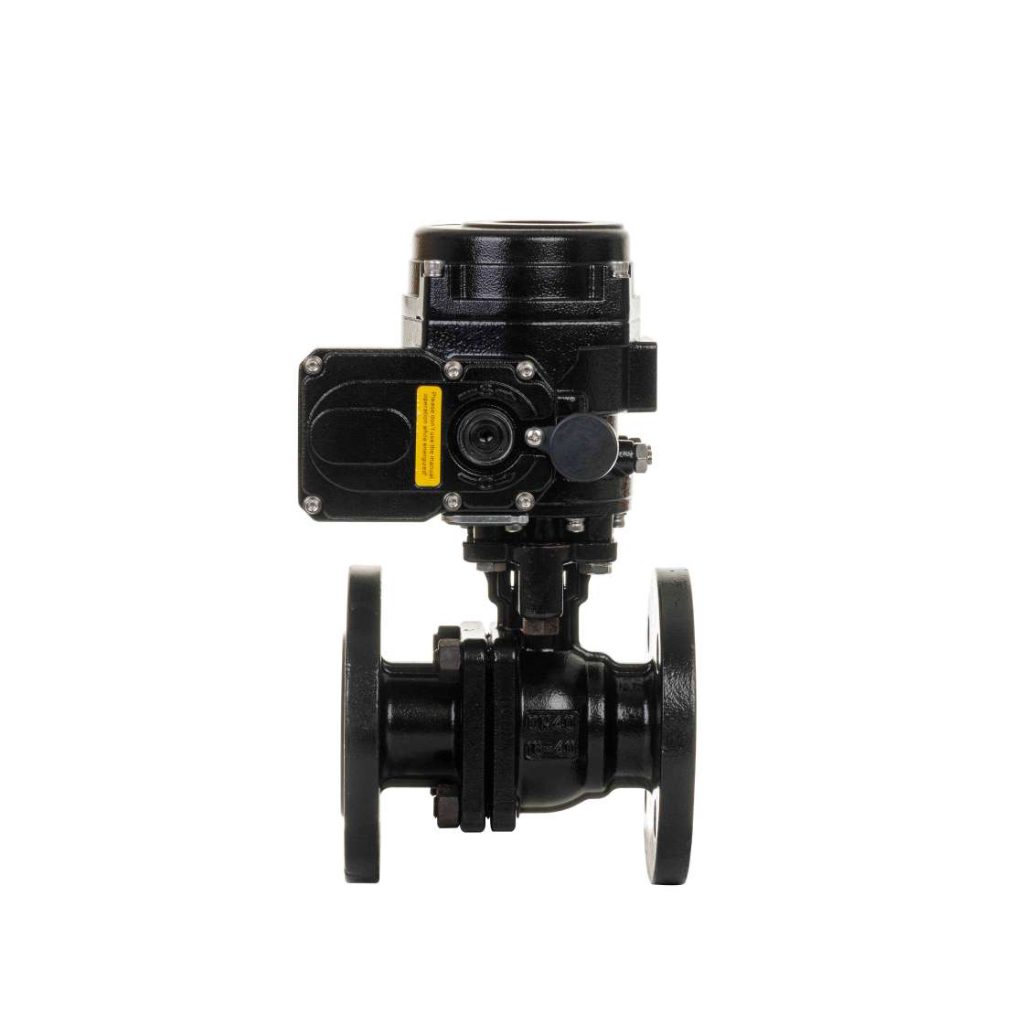
A ball valve is a quarter-turn valve with a spherical closure element, known as a “ball,” which controls the flow of fluids or gases. The electric flange ball valve integrates this design with an electric actuator, providing an automated solution for precise control. The flange design, which involves attaching the valve to the piping system via flanges, ensures a secure and leak-proof connection. Stainless steel is a preferred material for these valves due to its excellent corrosion resistance, strength, and ability to withstand high temperatures and pressures. The combination of stainless steel and electric actuation ensures that the valve performs reliably under challenging conditions, with minimal maintenance required.