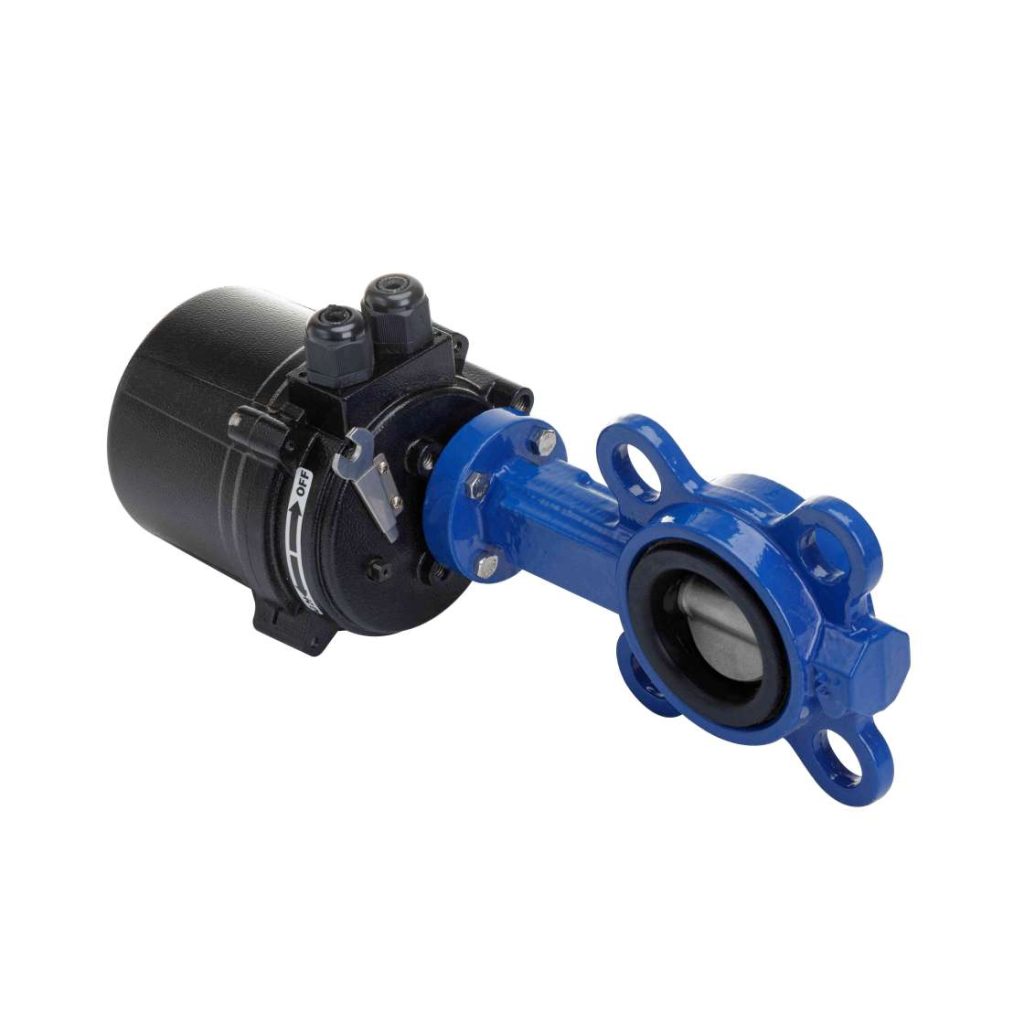
In the ever-evolving field of agriculture, efficient water management plays a pivotal role in ensuring optimal crop production. One of the most innovative solutions that have been developed to meet the demands of modern irrigation systems is the Electric Butterfly Valve for Agricultural Irrigation. As a key component in irrigation infrastructure, these valves offer an effective, cost-efficient, and environmentally-friendly way to control water flow, thereby contributing to improved agricultural productivity. In this article, we explore the advantages, features, and significance of electric butterfly valves in agricultural irrigation and highlight why manufacturers are focusing on this crucial technology.
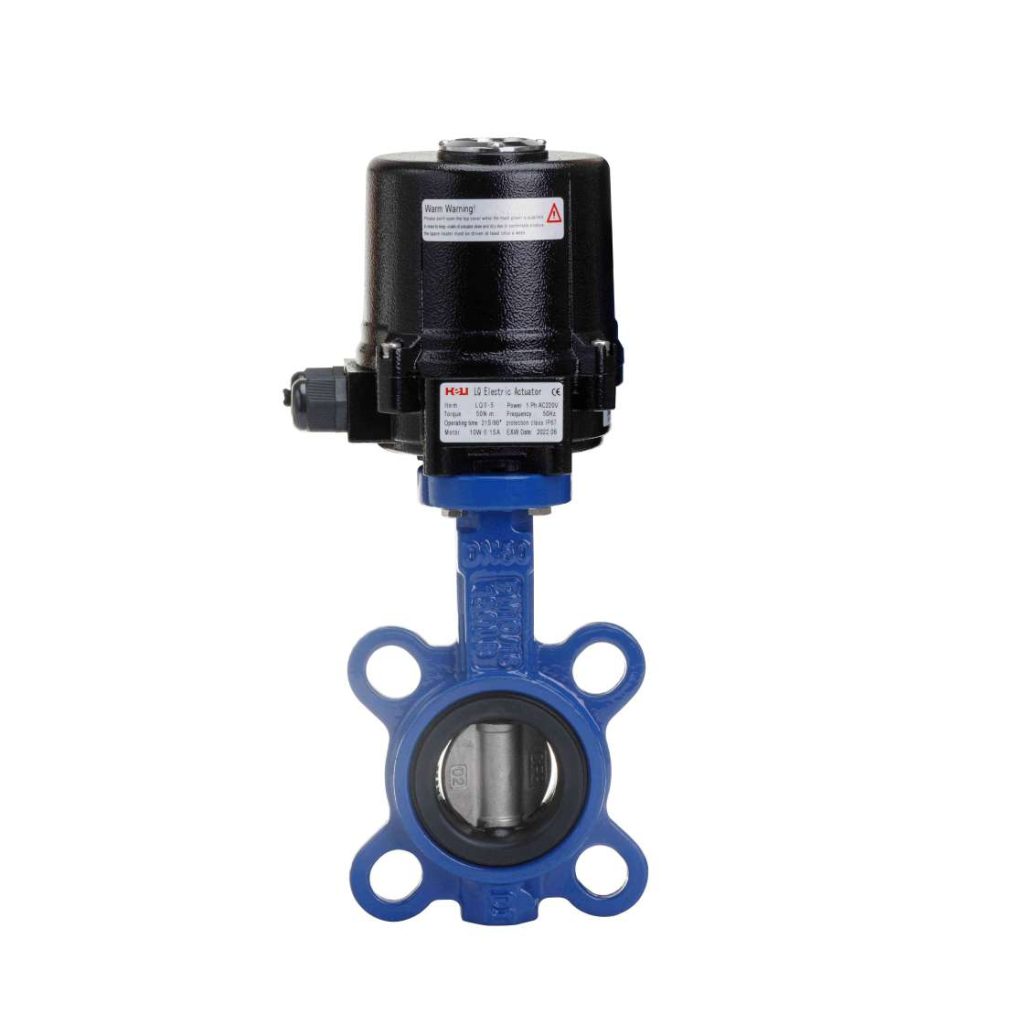
What is an Electric Butterfly Valve?
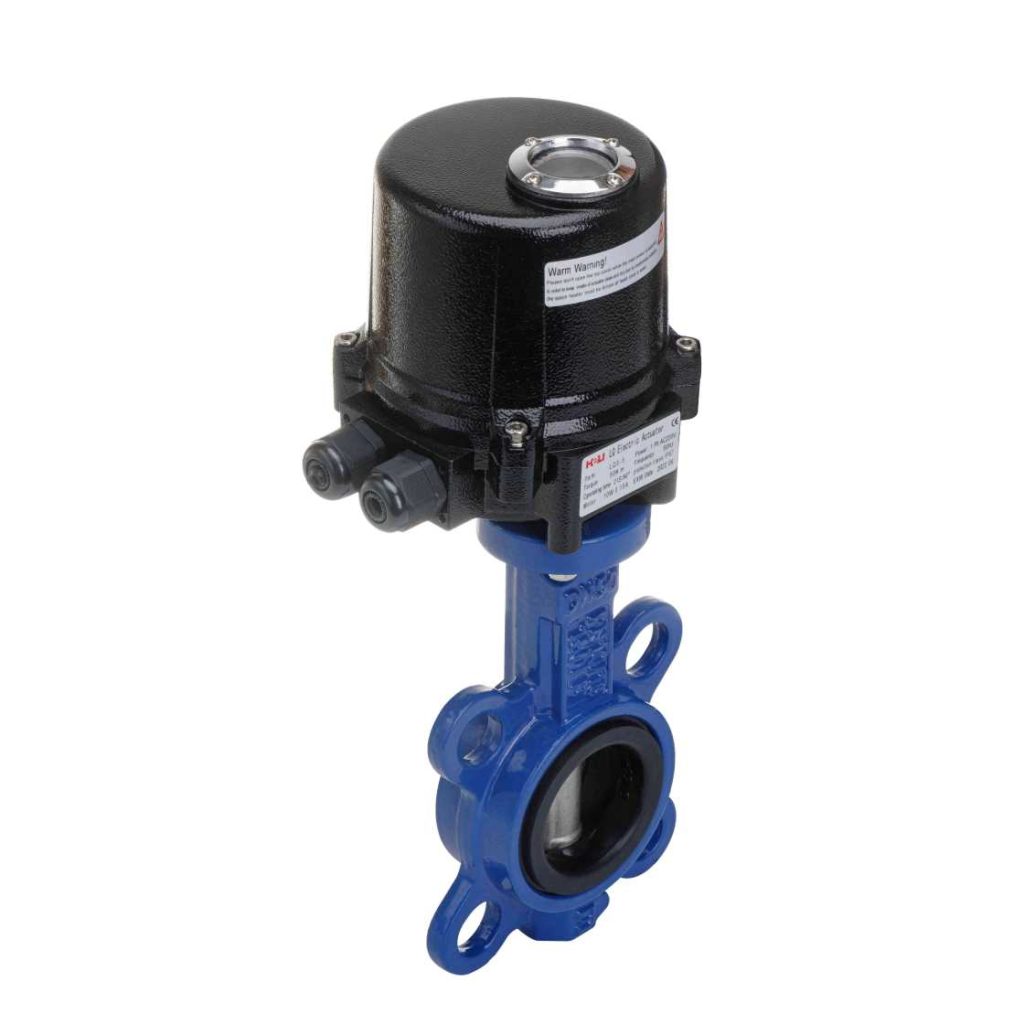
An Electric Butterfly Valve is a type of valve that uses an electric actuator to open or close the valve, regulating the flow of water through a pipeline. The valve’s design consists of a disc that pivots within the valve body, and the electric actuator controls the position of this disc, allowing for precise flow control. These valves are often used in agricultural irrigation systems where precise water distribution is essential for optimizing water usage. Key Advantages of Electric Butterfly Valves in Agricultural Irrigation Precise Flow Control Electric butterfly valves offer accurate and automated flow regulation, ensuring that water is distributed efficiently across the agricultural fields. This is especially beneficial for modern irrigation techniques such as drip and sprinkler systems, where the uniform distribution of water can significantly impact crop yield. The electric actuator allows for remote control and monitoring, enabling farmers to adjust water flow in real-time based on weather conditions, soil moisture levels, and crop needs.