Factories, especially large-scale manufacturing plants, require efficient heating solutions to maintain optimal working conditions and support various production processes. Whether it’s to ensure worker comfort, improve manufacturing processes, or maintain precise temperature control, the role of heaters in factories is indispensable. This article explores the different types of factory heaters, their applications, and the benefits they bring to industrial environments.
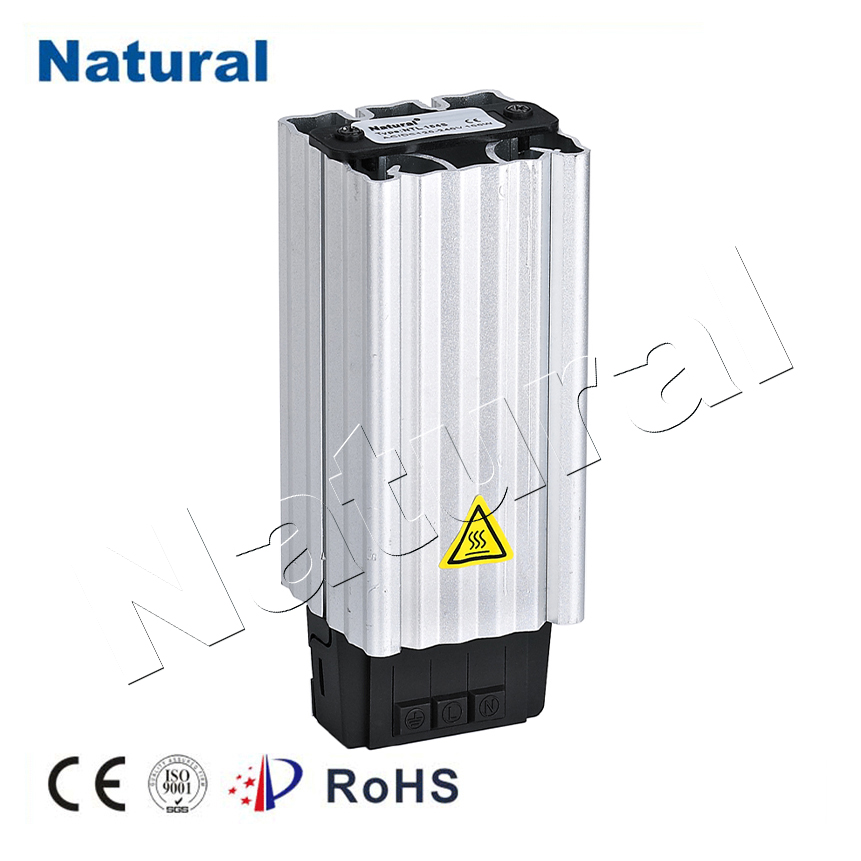
Types of Factories Heaters
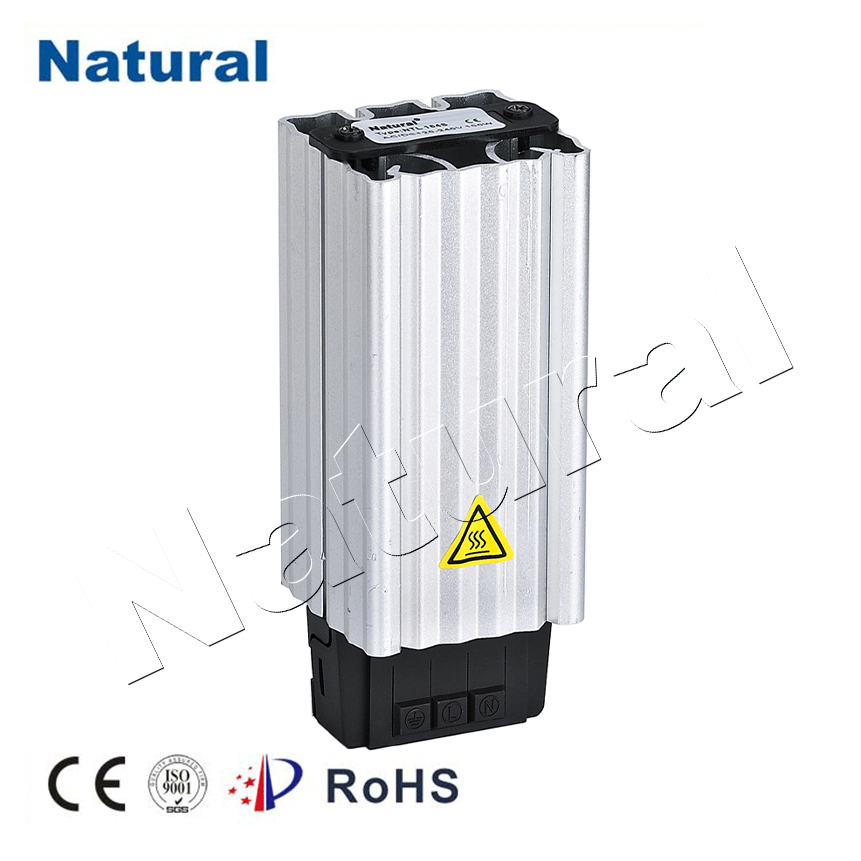
Electric Heaters Electric heaters are one of the most commonly used heating solutions in factories that require precise temperature regulation. These heaters work by converting electrical energy into heat through a resistive element. The advantages of electric heaters include their high efficiency and the ability to provide consistent, controllable heat without the need for a combustion process. These heaters are especially useful in industries such as electronics manufacturing, laboratories, and cleanrooms where controlled environments are critical. Gas Heaters Gas heaters, which run on natural gas or liquefied petroleum gas (LPG), are widely used in larger industrial spaces where a significant amount of heat is needed. These heaters can produce high temperatures quickly and efficiently, making them suitable for large factories, warehouses, and production floors. Gas heating systems tend to be cost-effective and energy-efficient when compared to electric heaters, especially for heating large spaces. However, they do require proper ventilation to ensure safety and prevent the buildup of harmful gases.
Leave a Reply