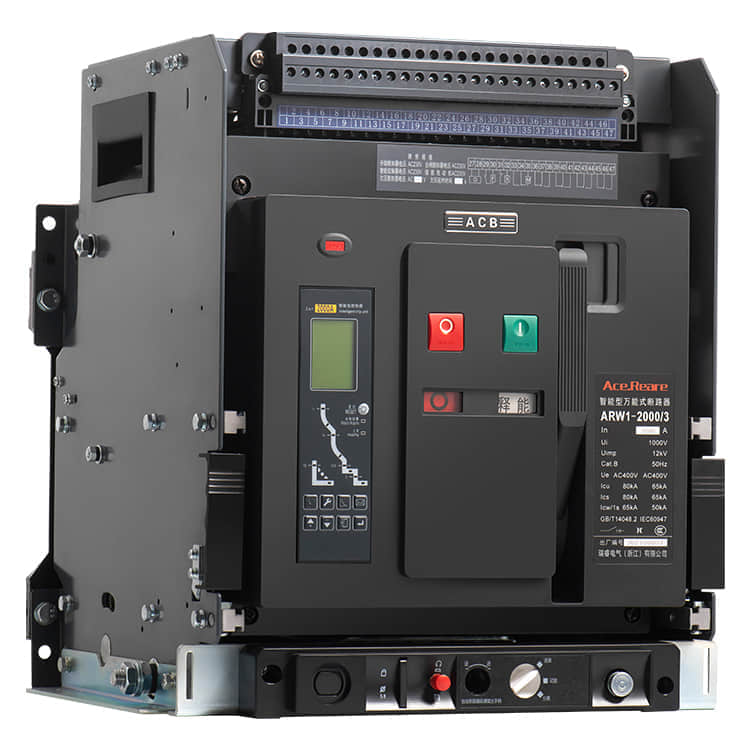
In the realm of electrical systems and power distribution, the ACB (Air Circuit Breaker) fixed type stands as a crucial component, providing the pivotal function of protecting electrical circuits from overloads, short circuits, and other electrical faults. With its advanced features and steadfast reliability, the ACB fixed type plays an indispensable role in ensuring electrical safety and maintaining the stability of power distribution networks.
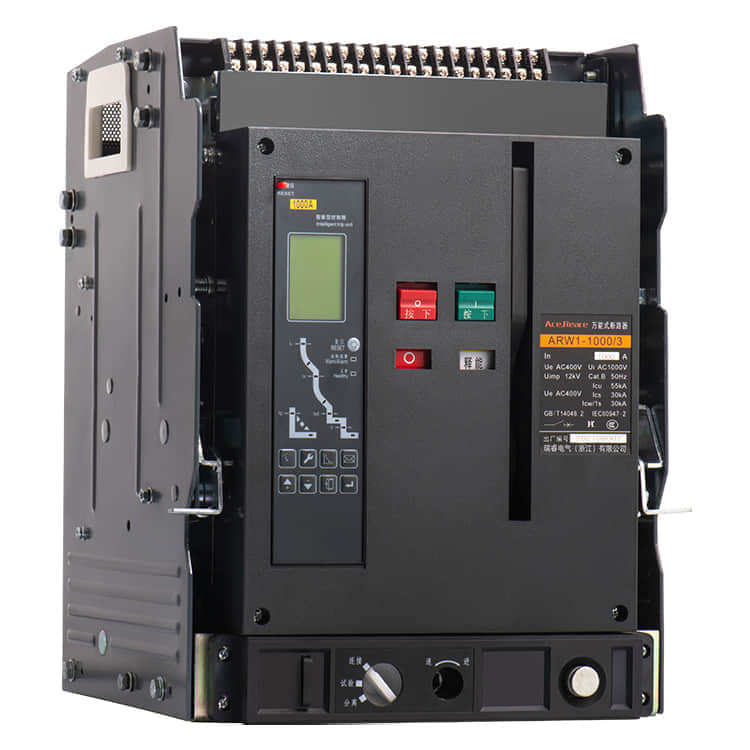
The ACB fixed type is designed to interrupt the flow of electricity when an abnormal condition arises within an electrical circuit. This could be due to an overload, where the current exceeds the rated capacity of the circuit, or a short circuit, which involves an unintended connection between conductors with varying potentials. In both cases, without effective circuit protection, the consequences could range from equipment damage to electrical fires, jeopardizing the safety of personnel and the integrity of the entire system.
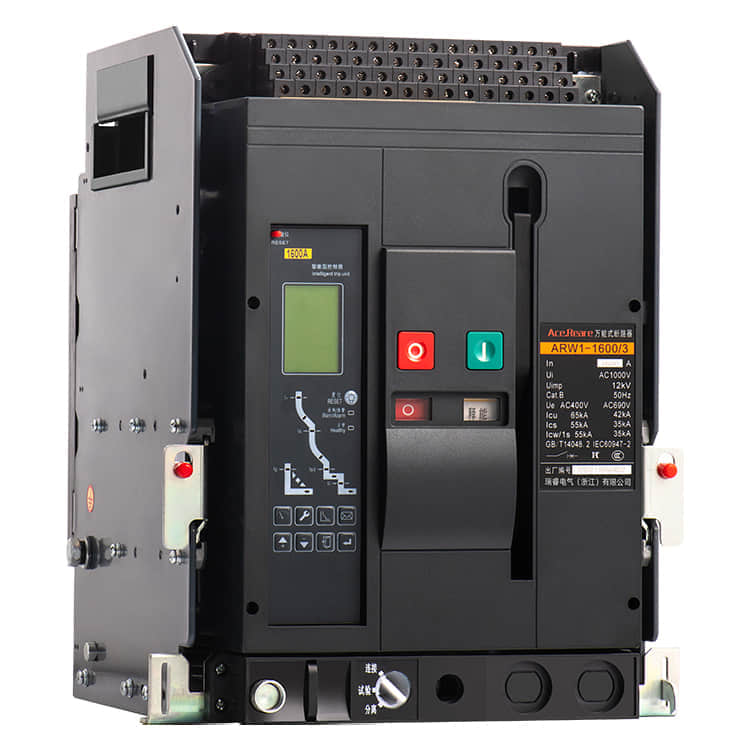
One of the standout features of the ACB fixed type is its reliability. The term “fixed” refers to its stationary nature, as opposed to a draw-out type breaker. The fixed design ensures a stable and secure connection, minimizing the chances of any loose connections or disruptions that could compromise the breaker’s functionality. This reliability is paramount, especially in critical applications where even a momentary lapse in power could have severe consequences, such as data centers, hospitals, and industrial manufacturing units. ACB breakers are equipped with adjustable trip settings, allowing them to be tailored to the specific requirements of a given electrical circuit. This flexibility ensures that the breaker can respond accurately to different levels of overcurrent and short circuit conditions, preventing unnecessary tripping that could lead to operational disruptions. Moreover, the ability to adjust the trip settings enables engineers to fine-tune the protection scheme as the load profile of the electrical system evolves over time. Another advantage of the ACB fixed type is its ease of maintenance. Regular maintenance of electrical components is essential for their longevity and optimal performance. The fixed design simplifies the maintenance process by eliminating the need to withdraw the breaker from its housing for inspection or servicing. This not only reduces downtime but also enhances the overall safety of maintenance personnel, as they can perform their tasks without the risks associated with handling movable parts. The incorporation of modern technology has further elevated the capabilities of ACB breakers. Many ACB fixed type models are now equipped with digital displays, communication interfaces, and remote monitoring capabilities. These features empower facility managers and engineers to monitor the status of breakers in real-time, receive alerts about any abnormalities, and even control the breaker settings remotely. Such advancements contribute to proactive maintenance, swift issue resolution, and improved overall system reliability. In conclusion, the ACB breaker fixed type serves as a cornerstone of electrical safety and reliability. Its steadfast nature, adjustable settings, and integration with modern technology make it an indispensable asset in safeguarding electrical systems from potential hazards. By promptly detecting and responding to abnormal conditions, the ACB fixed type not only prevents damage to equipment and infrastructure but also ensures the safety of personnel working with or around these systems. As technology continues to evolve, it is likely that ACB breakers will further refine their capabilities, solidifying their role in the ever-advancing field of electrical engineering.