The Electromechanical Relay (EMR) is an essential component in modern electrical and electronic systems. Although often overshadowed by newer technologies, the electromechanical relay remains an integral part of various applications, ranging from simple household devices to complex industrial systems. This article explores the working principle, components, advantages, and applications of electromechanical relays.
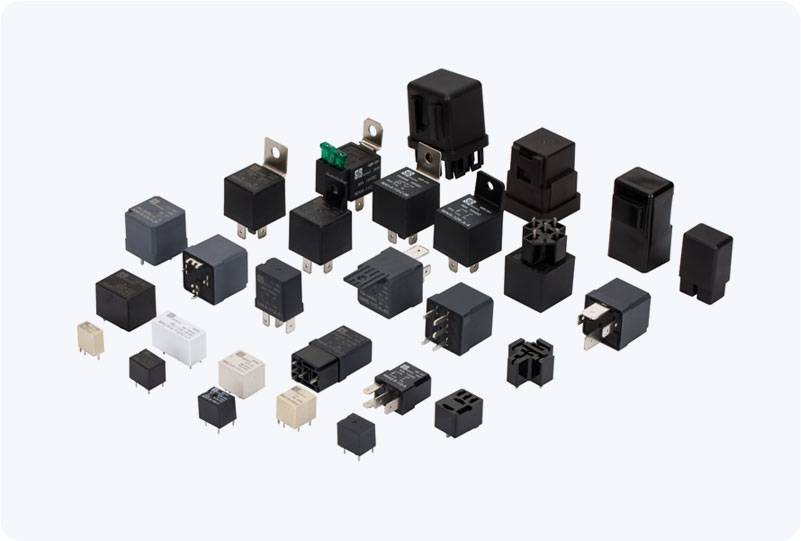
What is an Electromechanical Relay? An electromechanical relay is a device that uses an electromagnet to control a set of contacts. These relays function by creating a magnetic field through a coil of wire, which activates a switch to either open or close a circuit. The device is designed to control a circuit by using a low-power signal to switch a higher power load. This makes it an effective solution for controlling devices or systems where electrical isolation or high current handling is required. How Does an Electromechanical Relay Work? At the core of an electromechanical relay is a coil, which, when supplied with electrical current, creates a magnetic field. The magnetic field attracts a movable armature, which in turn moves the relay contacts. These contacts can either open or close, depending on the type of relay. The mechanism is typically spring-loaded to ensure the contacts return to their original position when the electrical current is removed from the coil. This allows for a change in the circuit’s state, which is essential in controlling other devices within an electrical system.