Introduction
In the realm of electrical safety, the Residual Current Circuit Breaker (RCCB) stands as a critical innovation that plays a pivotal role in safeguarding lives and property. With the rapid advancement of technology, electrical systems have become an integral part of modern life. However, this progress has brought forth the necessity of enhanced safety measures, making devices like RCCBs indispensable components of electrical installations.
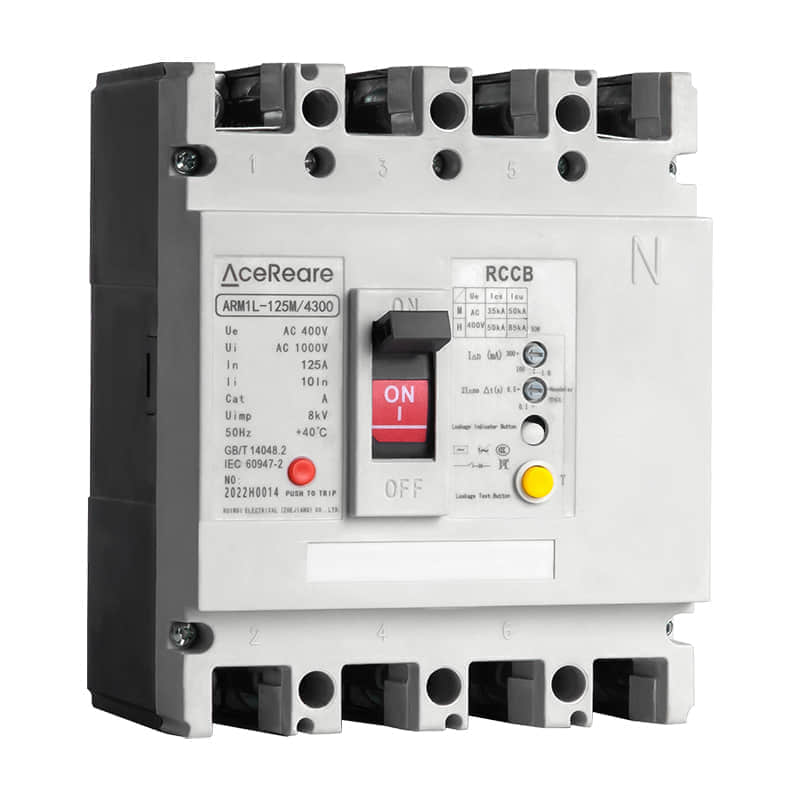
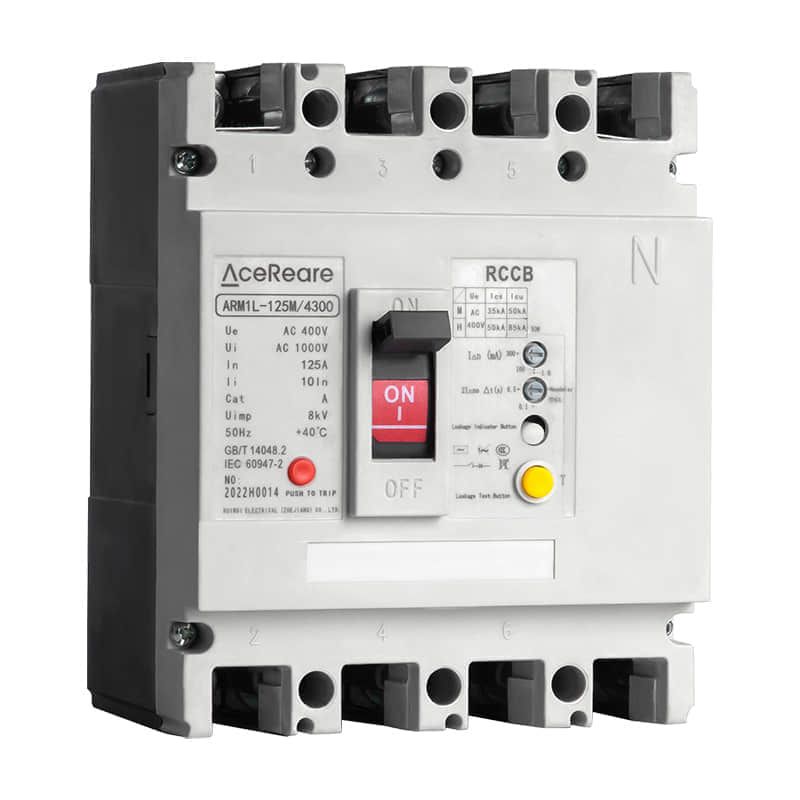
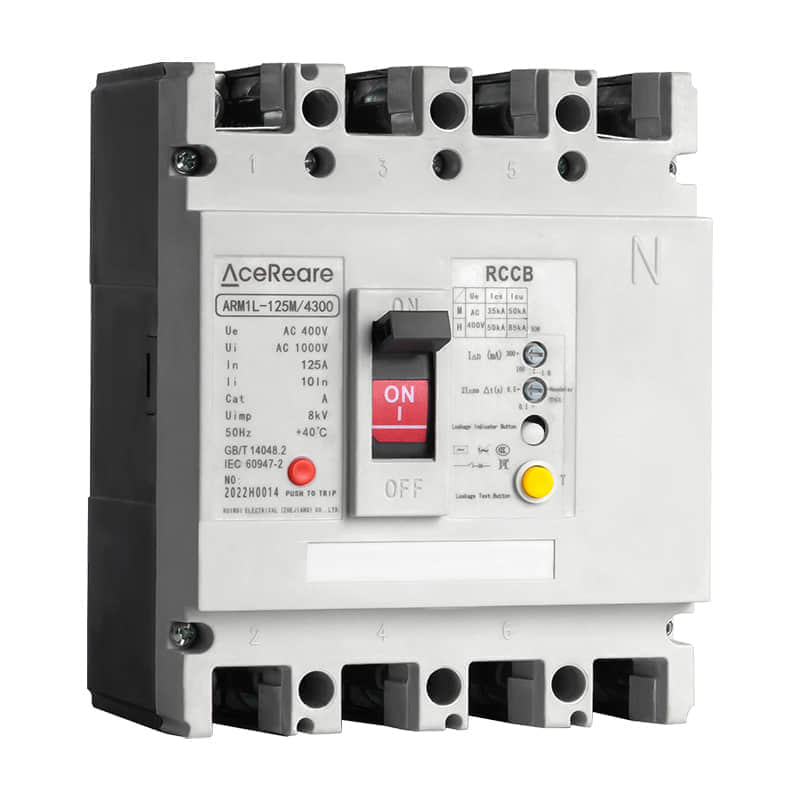
Understanding RCCBs A Residual Current Circuit Breaker, often referred to as an RCCB or RCD (Residual Current Device), is an electrical device designed to protect individuals and equipment from electric shocks and fires caused by electrical faults. It functions by quickly interrupting the circuit when it detects a residual current, which is the difference between the current entering and exiting a circuit. This deviation in current can occur due to factors such as insulation failures, accidental contact with live parts, or ground faults. How RCCBs Work RCCBs operate on the principle of Kirchhoff’s law, which states that the current entering a junction is equal to the current leaving it. When the current entering a circuit differs from the current leaving it, the RCCB identifies this discrepancy and instantaneously breaks the circuit, preventing potential harm. This swift response time is crucial in preventing fatal electric shocks, especially in environments where human contact with electrical appliances is common. Types of RCCBs There are two main types of RCCBs: the two-pole RCCB and the four-pole RCCB. The two-pole RCCB safeguards against phase-to-neutral faults and is commonly used in single-phase installations. On the other hand, the four-pole RCCB offers broader protection by detecting phase-to-neutral and phase-to-earth faults. This type is typically used in three-phase systems to ensure comprehensive safety. Advantages of RCCBs Personal Safety:The primary benefit of RCCBs is their ability to prevent electric shocks. They provide an additional layer of protection beyond traditional circuit breakers, as they can detect even small imbalances in the current. Fire Prevention:RCCBs play a crucial role in preventing electrical fires. By identifying ground faults and interrupting the circuit promptly, they prevent overheating and potential ignition. Reduced Downtime:In industrial settings, RCCBs help minimize downtime by swiftly disconnecting faulty circuits, reducing the risk of equipment damage and production halts. Resilience to Human Error:Even if safety precautions are neglected during maintenance or repairs, RCCBs remain vigilant in identifying and mitigating potential hazards. Installation and Testing Correct installation and regular testing are vital to ensuring the effectiveness of RCCBs. They should be installed by qualified electricians and tested at recommended intervals to verify their proper functioning. Testing involves pressing the “test” button on the RCCB, which simulates a fault condition and should cause the RCCB to trip. If the device does not respond as expected, immediate attention is required to rectify the issue. Conclusion In an era where electricity powers our world, the safety of individuals and property cannot be overlooked. Residual Current Circuit Breakers serve as guardians against electrical mishaps, providing rapid and reliable protection. Their ability to swiftly detect and interrupt faulty circuits significantly reduces the risk of electric shocks and fires, underscoring their importance in modern electrical systems. Through proper installation, regular testing, and continued technological advancements, RCCBs will continue to enhance electrical safety and contribute to a safer and more secure future.