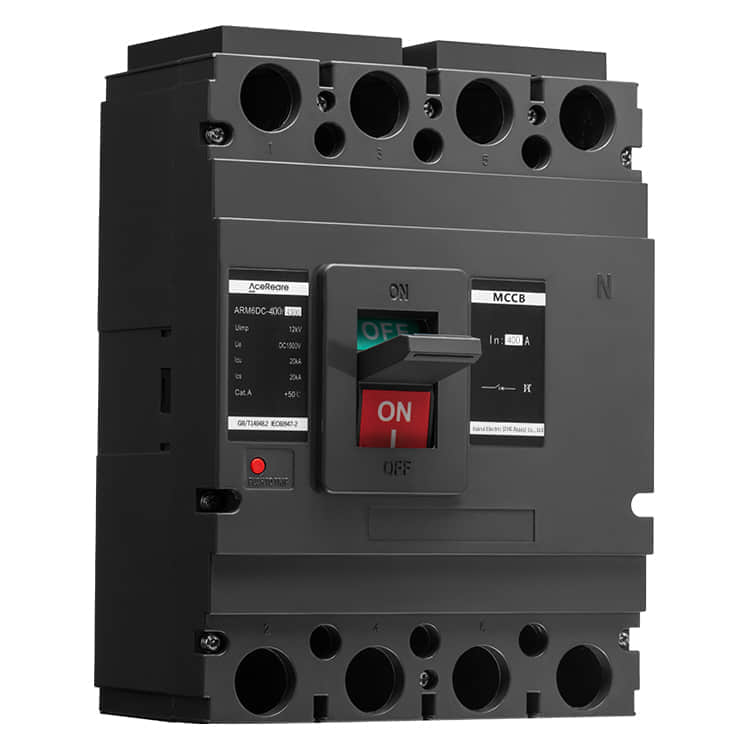
As the world embraces renewable energy sources, solar power stands out as a prominent contender in the quest for sustainable electricity generation. Photovoltaic (PV) systems, which convert sunlight into electrical energy, have gained substantial popularity due to their environmental benefits and potential to meet the growing energy demands. In the realm of solar energy, ensuring the safety and efficiency of PV systems is of paramount importance, and Photovoltaic Molded Case Circuit Breakers (PV MCCBs) play a crucial role in achieving these objectives.
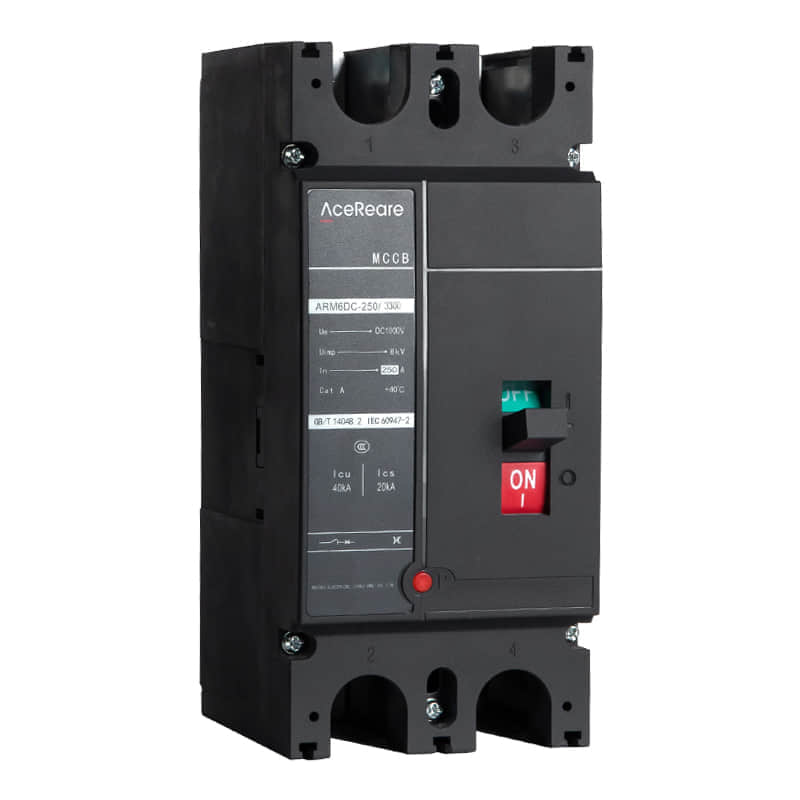
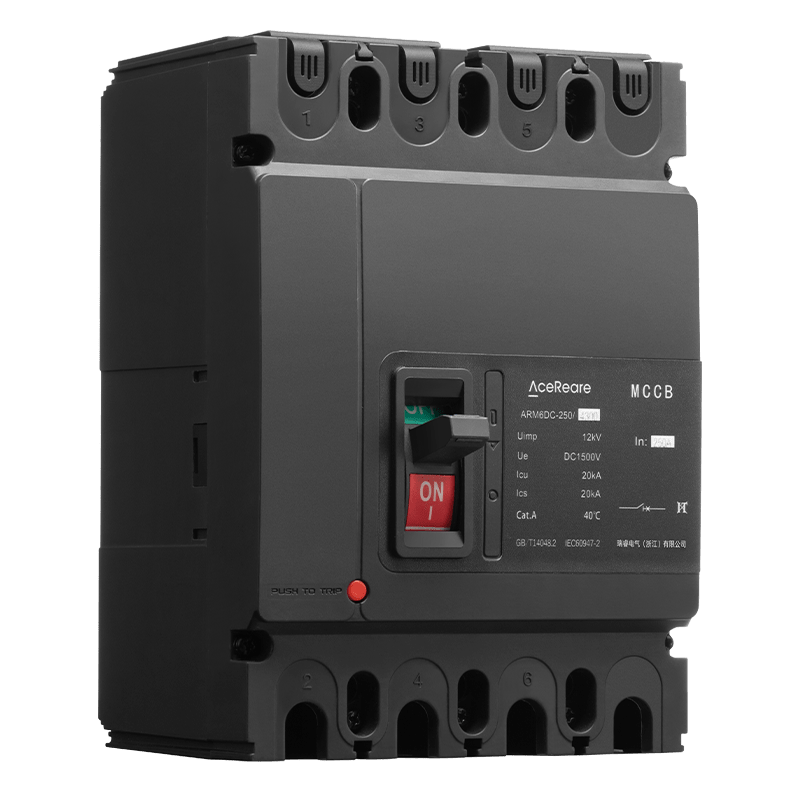
PV MCCBs are specialized circuit protection devices designed to safeguard photovoltaic systems from overcurrents, short circuits, and other electrical faults. These breakers combine the features of traditional MCCBs with the unique requirements of PV systems, offering enhanced protection and performance. Here, we delve into the significance of PV MCCBs and their pivotal role in securing solar energy installations.
**1. **Ensuring System Safety:Solar energy systems are exposed to various environmental conditions such as temperature fluctuations, humidity, and dust, which can impact their performance over time. PV MCCBs are engineered to endure these conditions while providing reliable protection against electrical faults. They detect anomalies in the electrical circuit and rapidly interrupt the current flow, preventing potential hazards like fires and equipment damage. **2. **Optimizing Energy Output:Efficiency is a cornerstone of solar energy utilization. A PV system’s output can be compromised by factors such as shading, mismatched panels, and underperforming components. In such scenarios, PV MCCBs can play a role in minimizing losses. By promptly isolating faulty sections of the system, these breakers prevent the compromised area from affecting the overall performance, allowing the rest of the panels to operate optimally. **3. **Adaptation to Changing Conditions:Solar systems are subject to fluctuations in sunlight intensity and energy demand. To accommodate these changes, PV MCCBs offer adjustable current settings. This adaptability ensures that the breaker’s trip thresholds can be tailored to the specific characteristics of the PV system, allowing for efficient and flexible operation. **4. **Remote Monitoring and Control:The integration of modern technology has revolutionized the way we manage energy systems. Many PV MCCBs come equipped with smart features that enable remote monitoring and control. This capability facilitates real-time diagnostics, enabling system operators to identify issues promptly and take corrective actions without physically accessing the site. **5. **Compatibility and Integration:PV MCCBs are designed to seamlessly integrate into photovoltaic systems. They can be incorporated into system designs without significant modifications, ensuring compatibility with other components and devices. This ease of integration streamlines installation processes and reduces potential points of failure within the system. **6. **Compliance with Standards:The renewable energy sector is subject to stringent safety and performance standards. PV MCCBs adhere to these standards, providing assurance that solar installations are designed and operated in accordance with industry best practices. This adherence to standards contributes to the overall reliability and credibility of solar energy systems. In conclusion, the advancement of solar energy technologies hinges on the integration of safety, efficiency, and innovation. Photovoltaic Molded Case Circuit Breakers (PV MCCBs) embody these principles by offering robust protection, adaptability, and compatibility for PV systems. As the world transitions toward renewable energy sources, the role of PV MCCBs in securing and optimizing solar installations cannot be overstated. These circuit breakers not only protect against potential hazards but also contribute to the longevity and reliability of solar energy systems, propelling us toward a sustainable energy future.