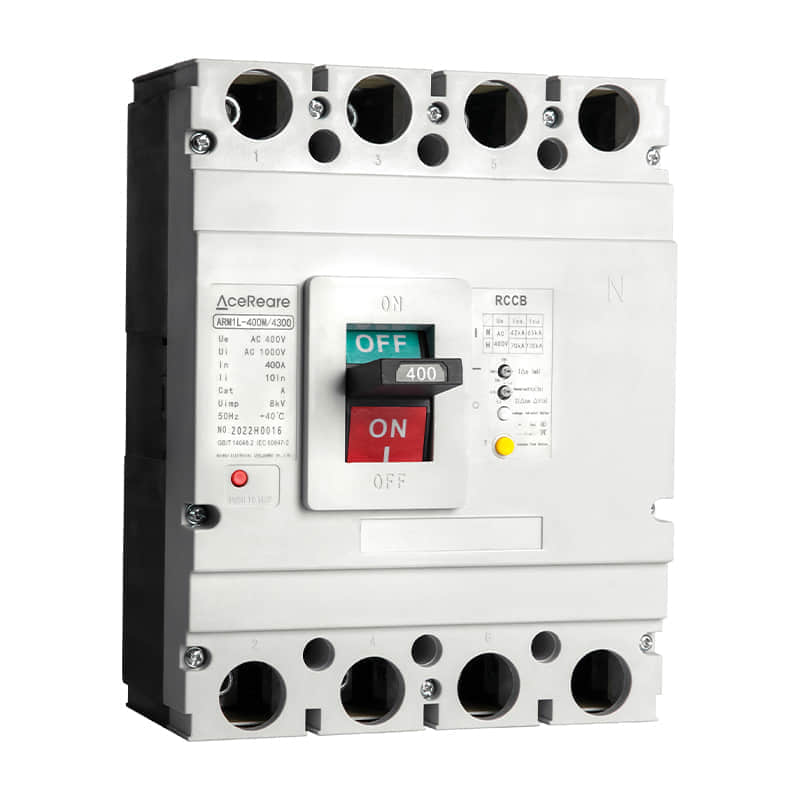
Introduction
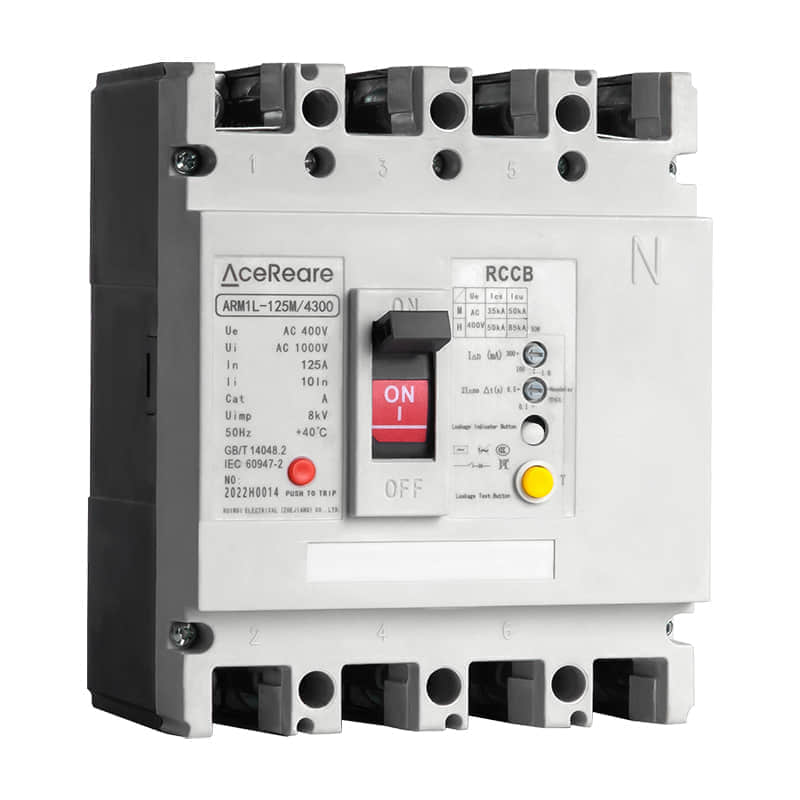
In the vast landscape of modern manufacturing, molded case parts have become an integral component across various industries. These parts, often overlooked, play a crucial role in ensuring the functionality and safety of products. Molded case parts manufacturers are the unsung heroes behind the scenes, employing advanced techniques and technologies to create these essential components. This article delves into the realm of molded case parts manufacturers, shedding light on their significance and the processes that drive this industry.
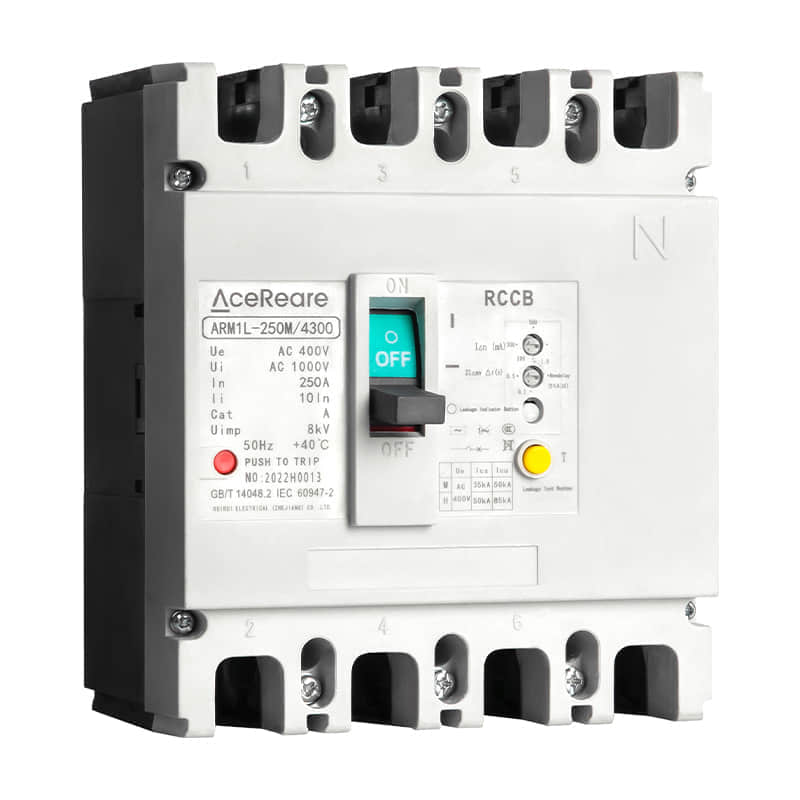
The Significance of Molded Case Parts Molded case parts, fabricated through injection molding processes, are pivotal in numerous industries, ranging from automotive to electronics, and from consumer goods to industrial machinery. They offer durability, precision, and cost-efficiency, making them an ideal choice for applications that demand high-performance components. These parts serve as protective enclosures for sensitive equipment, circuit breakers, switches, and more. Molded case parts not only enhance the overall aesthetics of products but also provide vital insulation and protection against environmental factors. Manufacturing Techniques and Expertise Molded case parts manufacturers employ a diverse array of manufacturing techniques, each tailored to meet specific requirements. Injection molding, the most common method, involves injecting molten material into a mold cavity. This technique requires meticulous precision in terms of temperature, pressure, and cooling cycles to ensure uniformity and integrity. Manufacturers utilize advanced machinery and computer simulations to optimize the molding process and minimize defects. Material selection is another critical aspect. Manufacturers choose materials based on factors such as mechanical properties, thermal resistance, and electrical conductivity. Engineering plastics like ABS, polycarbonate, and nylon are often favored due to their excellent balance between strength and versatility. Manufacturers’ expertise lies in understanding the material behavior during the molding process, enabling them to produce parts that meet stringent quality standards. Quality Control and Certification The reliability and safety of molded case parts are paramount. Manufacturers implement stringent quality control measures throughout the production cycle. Advanced inspection techniques, including X-ray scans and dimensional analysis, help detect even the tiniest imperfections. Additionally, manufacturers adhere to international standards and certifications specific to each industry. ISO certifications and compliance with regulatory bodies ensure that the manufactured parts meet the highest quality benchmarks. Innovation and Sustainability The world of molded case parts manufacturing is not immune to the waves of innovation sweeping through the manufacturing sector. Manufacturers are adopting sustainable practices by exploring bio-based plastics, recycling methods, and energy-efficient production processes. 3D printing is also making its mark, enabling rapid prototyping and reducing lead times. Furthermore, the integration of smart technologies is transforming molded case parts into intelligent components. Embedding sensors, RFID tags, and connectivity features enhances the functionality of the parts and the products they serve. This innovation allows for real-time monitoring, predictive maintenance, and improved user experiences. Conclusion Molded case parts manufacturers play an indispensable role in shaping the modern industrial landscape. Their expertise in materials, manufacturing techniques, quality control, and innovation drives the production of reliable and high-performance components. As industries continue to evolve, so too will the realm of molded case parts manufacturing, embracing sustainability, connectivity, and cutting-edge technologies. The next time you interact with a product, take a moment to appreciate the molded case parts working diligently behind the scenes to ensure its efficiency and safety.