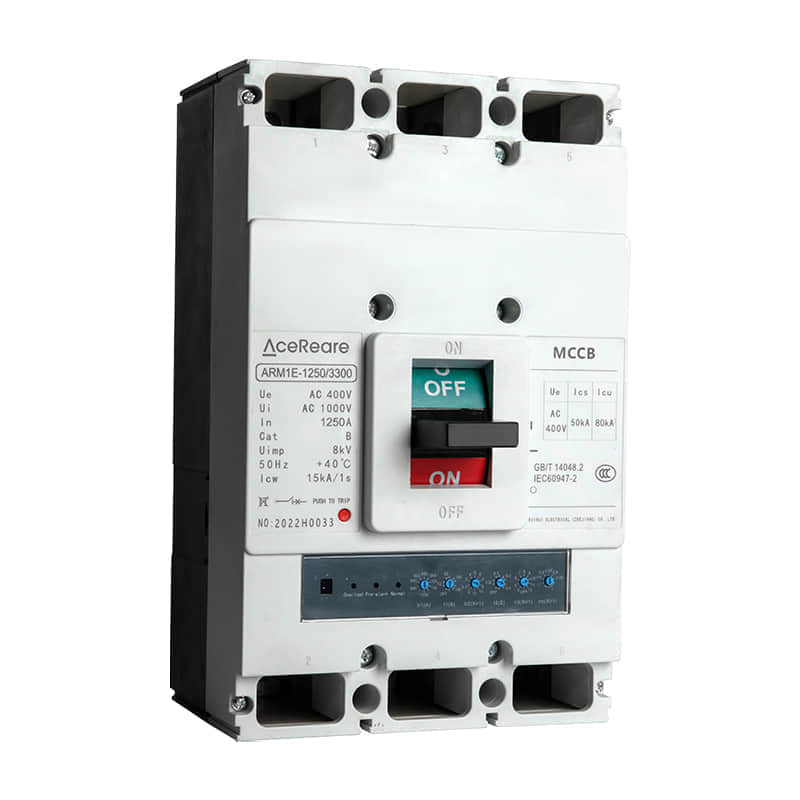
In the world of engineering and manufacturing, precision and durability are paramount. One integral component that contributes to the reliable operation of various equipment is molded case parts. These parts, made from a variety of materials such as plastics, metals, and composites, serve essential functions across industries and applications. This article delves into the world of molded case parts, exploring their features, applications, and benefits.
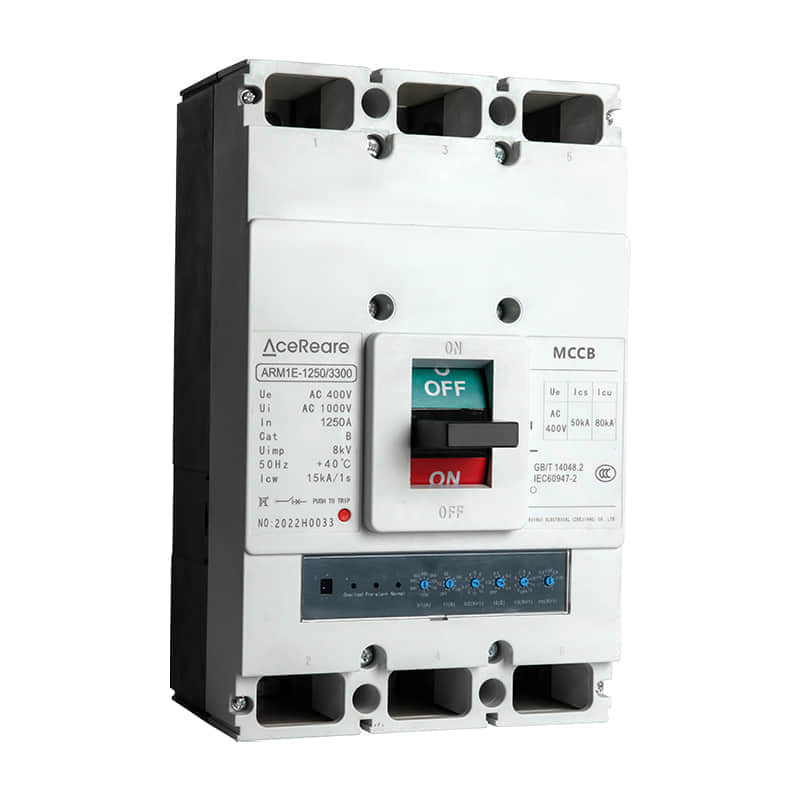
Understanding Molded Case Parts
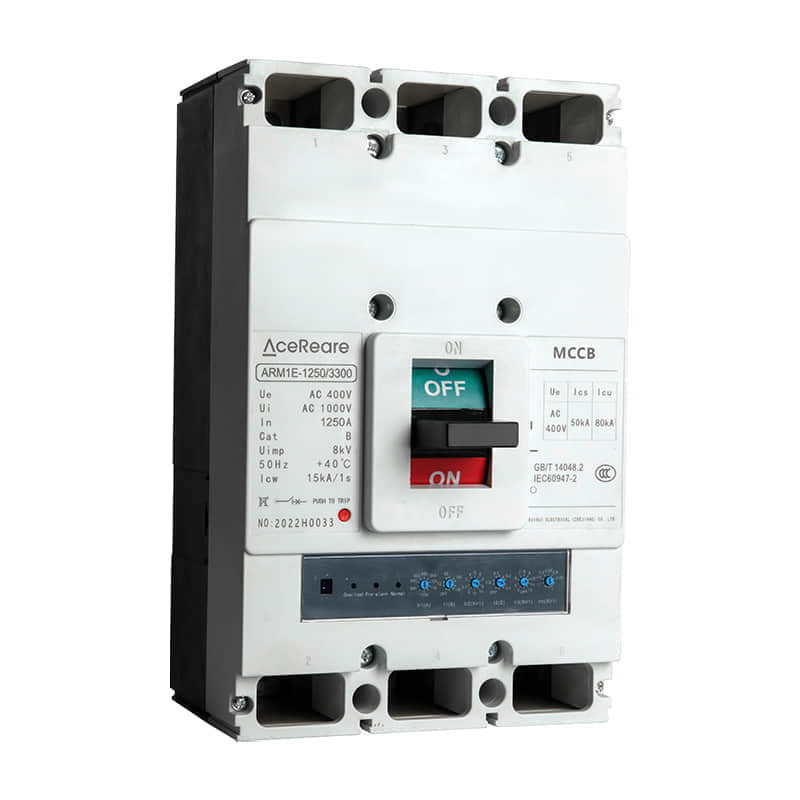
Molded case parts are manufactured through a process known as injection molding. This process involves injecting molten material into a mold cavity, allowing it to cool and solidify before being ejected as a fully formed part. This method ensures consistency in shape, size, and quality, resulting in precise and reliable components. These parts are designed to meet specific requirements and often possess intricate geometries that would be challenging to achieve through traditional manufacturing methods. The versatility of molded case parts lies in the wide range of materials they can be crafted from, including thermoplastics, thermosetting plastics, metals, and even composite materials. This adaptability allows manufacturers to select the optimal material for a particular application, balancing factors such as strength, thermal conductivity, and electrical insulation. Applications Across Industries Molded case parts find applications in diverse industries, each benefiting from their unique properties. In the electronics industry, these parts are integral to the manufacturing of circuit breakers, enclosures for sensitive components, and connectors. The precision and insulation properties of molded plastics make them ideal for ensuring the safety and reliability of electrical equipment. The automotive sector also embraces molded case parts in the production of engine components, interior parts, and safety devices. High-strength materials ensure that these parts can withstand the rigors of the road while maintaining their structural integrity. Medical equipment relies on molded case parts for their hygiene, durability, and biocompatibility. Components used in medical devices are often made from specialized materials that can withstand sterilization processes and adhere to strict safety regulations. Advantages of Molded Case Parts Cost-Effective Production:Injection molding allows for high-volume production with minimal waste, making it a cost-effective option for manufacturing molded case parts. Complex Geometries:The molding process enables the creation of intricate and complex shapes that might be challenging or impossible to achieve using other methods. Material Versatility:Manufacturers can choose from a wide range of materials with varying properties to meet specific performance requirements. Consistency and Precision:The injection molding process ensures uniformity and precision across all produced parts, resulting in reliable and predictable performance. Short Lead Times:The efficiency of injection molding reduces lead times, making it suitable for industries with tight production schedules. Reduced Assembly:In many cases, molded case parts can be designed to incorporate multiple functions, reducing the need for additional assembly steps. Future Trends and Innovations As technology advances, so does the potential of molded case parts. The incorporation of smart materials, such as those with self-healing properties or embedded sensors, could revolutionize the capabilities of these components. Additionally, ongoing research into sustainable materials and environmentally friendly manufacturing processes is likely to shape the future of molded case parts, aligning with the global push for greener practices. In conclusion, molded case parts play a vital role across industries, contributing to the functionality, reliability, and efficiency of various devices and equipment. Their ability to provide cost-effective solutions, accommodate complex designs, and meet stringent performance requirements underscores their importance in modern manufacturing. As technology evolves, we can expect to see even more innovative applications and materials in the realm of molded case parts, driving progress and shaping the industries they serve.