Testing an industrial relay with a multimeter is an essential skill for anyone involved in the maintenance or troubleshooting of industrial equipment. A relay plays a crucial role in controlling electrical circuits by switching between them based on control signals. Whether you’re working with relays in automation systems, machinery, or other industrial equipment, ensuring that your relay is functioning properly can save you time, prevent damage, and improve the efficiency of your operations. In this guide, we will walk you through the process of testing an industrial relay using a multimeter.
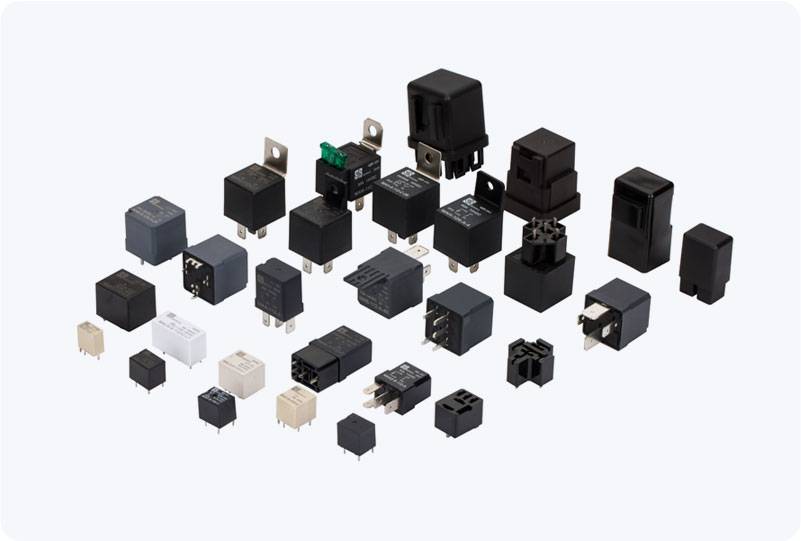
Understanding the Basics of a Relay Before diving into the testing process, it’s important to understand the basic components of an industrial relay: Coil: This is the part of the relay that activates the switch. When current flows through the coil, it generates a magnetic field that closes or opens the relay’s contacts. Contacts: The contacts are the switches controlled by the coil. There are typically two types: Normally Open (NO): The contacts remain open when the relay is not energized. Normally Closed (NC): The contacts remain closed when the relay is not energized. Common (COM): The common terminal is the reference point for the contacts.
Leave a Reply