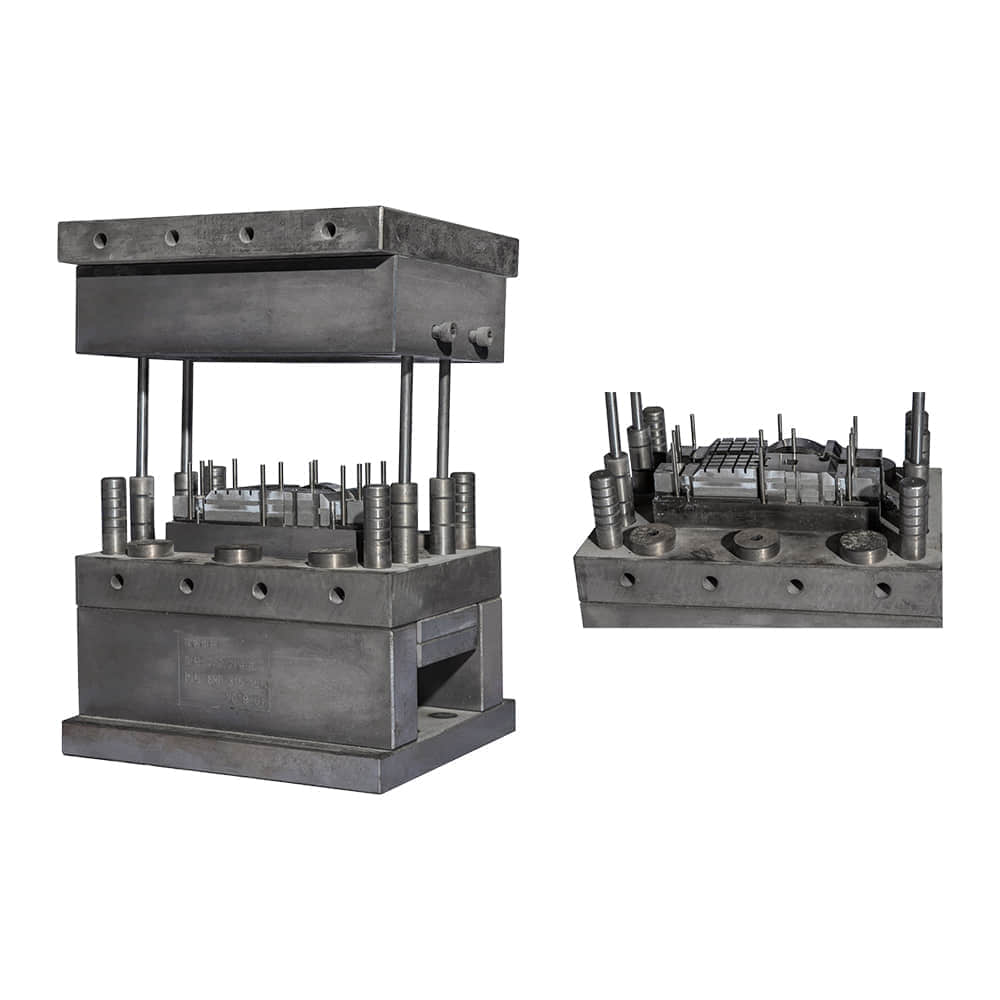
In the realm of modern manufacturing, technological advancements continue to reshape the landscape, pushing the boundaries of precision, efficiency, and sustainability. One such groundbreaking innovation is the development and integration of DMC injection technology. DMC, short for Direct Metal Casting, is revolutionizing manufacturing processes by offering a more efficient, accurate, and environmentally conscious method of producing complex metal parts.
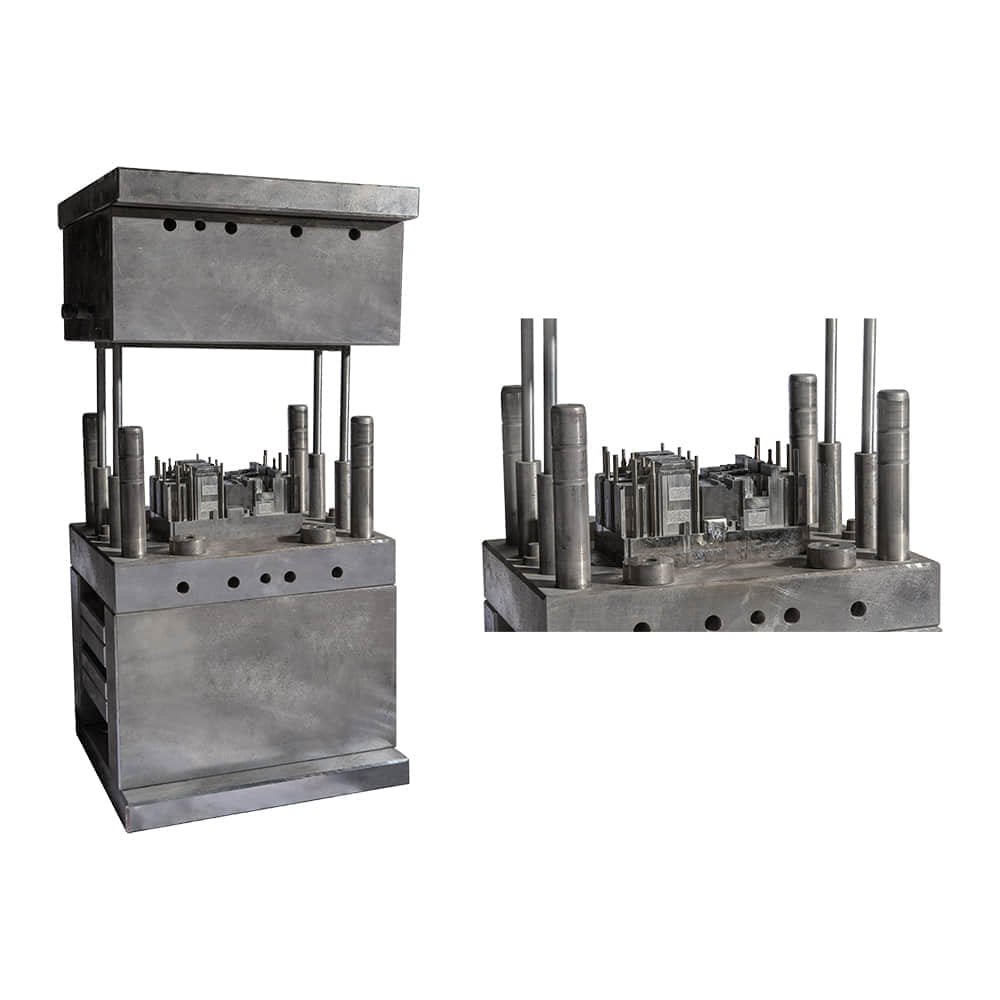
Traditional manufacturing methods often involve extensive material waste, energy consumption, and intricate machining processes. DMC injection, on the other hand, harnesses the power of additive manufacturing, enabling the creation of intricate metal components layer by layer. This not only significantly reduces material waste but also allows for the production of previously unattainable geometries. The utilization of DMC injection presents a leap forward in achieving greater design flexibility and enhanced product functionality.
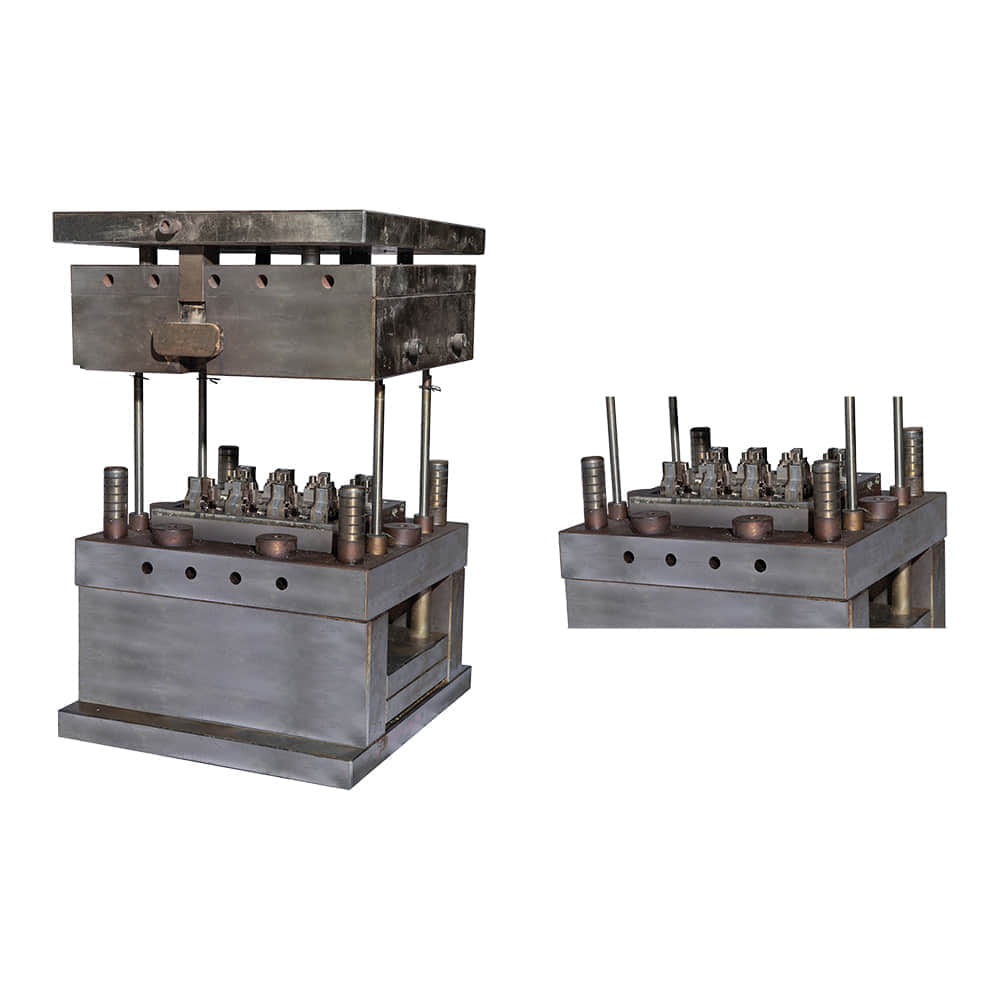
At the heart of DMC injection is its ability to utilize various metal alloys with exceptional precision. By melting and fusing these alloys in a controlled environment, manufacturers can ensure the creation of components with consistent mechanical properties and structural integrity. This capability opens doors to diverse applications across industries, from aerospace and automotive to healthcare and electronics. The medical field, for instance, can benefit from the production of intricate surgical instruments that demand both biocompatibility and complex designs. A central advantage of DMC injection lies in its reduced energy consumption compared to traditional manufacturing techniques. Traditional methods often involve extensive machining, which consumes substantial amounts of energy and leaves a significant carbon footprint. DMC injection optimizes energy usage by targeting the exact areas where material is needed, minimizing waste and contributing to a more sustainable production process. As the world increasingly shifts towards eco-friendly practices, the adoption of DMC injection aligns with global efforts to mitigate the environmental impact of industrial processes. Furthermore, DMC injection opens doors to localized manufacturing and on-demand production. The technology allows for the creation of components closer to the point of use, reducing transportation costs and lead times. This is particularly beneficial in industries where spare parts or customized components are required promptly, such as in aerospace maintenance or automotive repairs. As a result, DMC injection not only enhances manufacturing efficiency but also contributes to more resilient and responsive supply chains. Despite its numerous advantages, DMC injection technology does come with certain challenges. The initial investment in equipment and training can be substantial, limiting its immediate accessibility for some manufacturers. Moreover, ensuring the quality and consistency of printed parts requires stringent quality control measures, as even minor defects can have significant implications in industries like aviation or healthcare. However, as the technology matures and adoption becomes more widespread, these challenges are likely to diminish. In conclusion, DMC injection stands as a transformative force in modern manufacturing, offering a path to greater efficiency, precision, and sustainability. Its ability to produce intricate metal components with reduced material waste, energy consumption, and environmental impact positions it at the forefront of additive manufacturing technologies. As industries continue to evolve and demand more complex and customized solutions, DMC injection provides a promising solution to meet these challenges. With ongoing research and development, the future of manufacturing is set to be defined by innovations like DMC injection.