The RO solenoid valve is a crucial component in reverse osmosis (RO) water filtration systems, helping to regulate the flow of water through the filtration process. This valve plays an essential role in ensuring the proper operation of the system, contributing to efficient water treatment and ensuring the longevity of the entire filtration setup. In this article, we will delve into the working mechanism, types, importance, and various applications of RO solenoid valves.
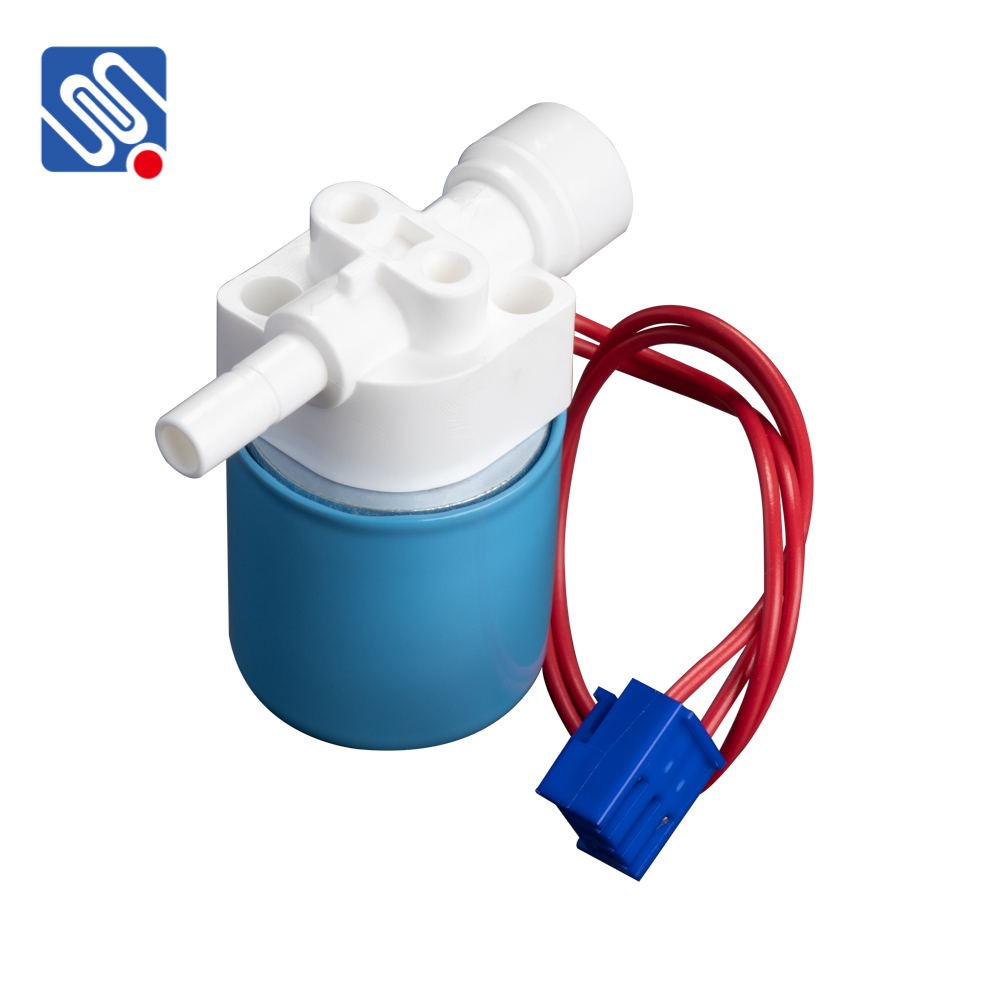
What is an RO Solenoid Valve? An RO solenoid valve is an electrically operated valve used to control the flow of water in reverse osmosis systems. It is activated by an electrical signal that opens or closes the valve, controlling the water flow to ensure that the filtration process functions as intended. These valves are typically placed on the water inlet side of the RO system, where they serve as the first point of control for the incoming water. The solenoid inside the valve is a coil of wire that, when energized, creates a magnetic field. This magnetic field causes a plunger or armature to move, opening or closing the valve. When the solenoid is de-energized, the valve closes, stopping the flow of water. This allows the system to operate more efficiently by regulating the amount of water entering the filtration process and ensuring that the water is purified correctly.