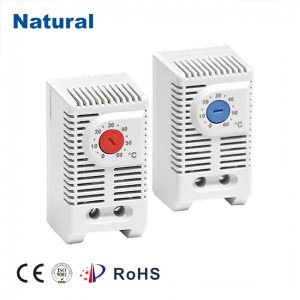
A control panel thermostat plays a crucial role in managing indoor temperatures, ensuring comfort and energy efficiency. This device allows users to set desired temperatures, automating the heating and cooling systems in residential and commercial buildings. By understanding its features, benefits, and functionalities, we can appreciate its importance in modern climate control systems.
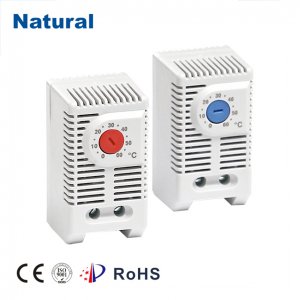
At its core, a control panel thermostat functions as the interface between the user and the HVAC (heating, ventilation, and air conditioning) system. Users can adjust temperature settings, switch between heating and cooling modes, and program schedules for different times of the day. The advancements in technology have led to the development of smart thermostats, which offer additional capabilities such as remote access via smartphones, learning algorithms, and energy usage reports.
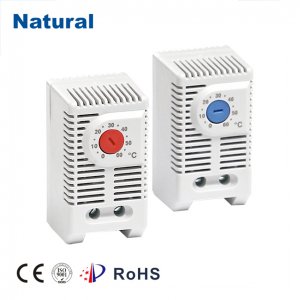
One of the primary advantages of a control panel thermostat is energy efficiency. Traditional thermostats require manual adjustments, which can lead to energy waste when settings are not optimized. In contrast, programmable and smart thermostats can automatically adjust temperatures based on user habits and preferences. For instance, a smart thermostat might lower the temperature during the night when occupants are asleep, and raise it again in the morning, thus conserving energy without sacrificing comfort. Installation of a control panel thermostat is typically straightforward, though it may require professional assistance depending on the existing HVAC system. It involves connecting the thermostat to the system’s control panel and configuring it to communicate with various components such as the furnace, air conditioner, and ventilation system. Once installed, the thermostat can be easily calibrated to ensure accurate temperature readings.