Introduction
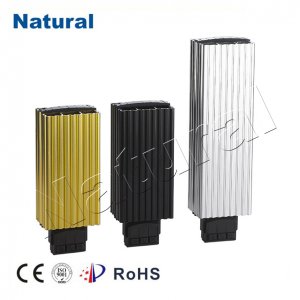
Enclosure heaters, an integral component of modern engineering and industrial systems, play a pivotal role in maintaining optimal operating conditions within various enclosures. These heaters serve a crucial purpose by preventing condensation, controlling humidity, and protecting sensitive equipment from extreme temperatures. In this article, we will delve into the functions, benefits, and types of enclosure heaters, highlighting their significance in ensuring the efficient and reliable operation of enclosed systems. Functions of Enclosure Heaters Enclosure heaters are designed to fulfill several vital functions, ensuring the protection and functionality of enclosed equipment and systems. The primary functions of enclosure heaters include: Temperature Regulation:One of the fundamental roles of enclosure heaters is to regulate the internal temperature of enclosures. They prevent the temperature from dropping to levels that could damage the equipment or hinder its performance. By maintaining a consistent temperature, enclosure heaters safeguard sensitive components from the adverse effects of extreme cold. Condensation Prevention:Enclosures are prone to condensation, especially in environments where temperature fluctuations occur. Condensation can lead to moisture-related issues such as rust, corrosion, and short-circuiting. Enclosure heaters combat this by maintaining the internal temperature above the dew point, thus preventing condensation buildup. Humidity Control:Excessive humidity within enclosures can negatively impact electronic components and other sensitive equipment. Enclosure heaters aid in maintaining an optimal humidity level, preventing moisture-related problems that could compromise the integrity of the enclosed systems. Component Protection:Enclosure heaters ensure that electronic components and other critical parts remain within their specified temperature range. This protection extends the lifespan of the components and reduces the risk of malfunctions or failures due to extreme temperatures. Benefits of Enclosure Heaters The utilization of enclosure heaters offers numerous benefits to industrial and engineering systems: Enhanced Reliability:Enclosure heaters contribute to the overall reliability of enclosed systems by preventing temperature-related disruptions. This is particularly crucial in applications where downtime can lead to significant financial losses. Extended Lifespan:By maintaining optimal operating conditions, enclosure heaters help extend the lifespan of enclosed equipment. Components are less susceptible to wear and tear caused by temperature fluctuations and moisture. Reduced Maintenance:Regular temperature regulation and moisture control provided by enclosure heaters can lead to reduced maintenance requirements. This translates to cost savings and increased operational efficiency. Improved Performance:Enclosure heaters ensure that systems operate at their optimal performance levels regardless of external conditions. This is particularly important for applications that demand consistent and precise operation. Types of Enclosure Heaters A variety of enclosure heaters are available to cater to different requirements and environmental conditions: Fan Heaters:These heaters employ fans to distribute warm air evenly throughout the enclosure, maintaining a consistent internal temperature. PTC (Positive Temperature Coefficient) Heaters:PTC heaters are self-regulating and adjust their heat output based on the surrounding temperature, ensuring efficient energy usage. Infrared Heaters:Infrared heaters emit radiant heat, warming the enclosed objects directly without significantly heating the air. They are ideal for applications where quick heating is required. Circulation Heaters:These heaters circulate a heat transfer fluid within the enclosure to maintain a uniform temperature. Conclusion Enclosure heaters are indispensable tools that contribute to the smooth and reliable operation of enclosed systems across various industries. By regulating temperature, preventing condensation, controlling humidity, and protecting equipment, these heaters play a vital role in maintaining optimal conditions for sensitive components. The benefits they offer in terms of reliability, extended lifespan, reduced maintenance, and improved performance make them a crucial investment in modern engineering and industrial applications. As technology continues to advance, enclosure heaters will undoubtedly evolve to meet the ever-changing demands of diverse and complex systems.