In today’s fast-paced world, where energy conservation and comfort go hand in hand, wall thermostats have emerged as indispensable tools for controlling indoor environments efficiently. These unassuming devices have undergone a remarkable evolution, transforming from simple temperature regulators to sophisticated smart systems that offer convenience, savings, and environmental benefits.
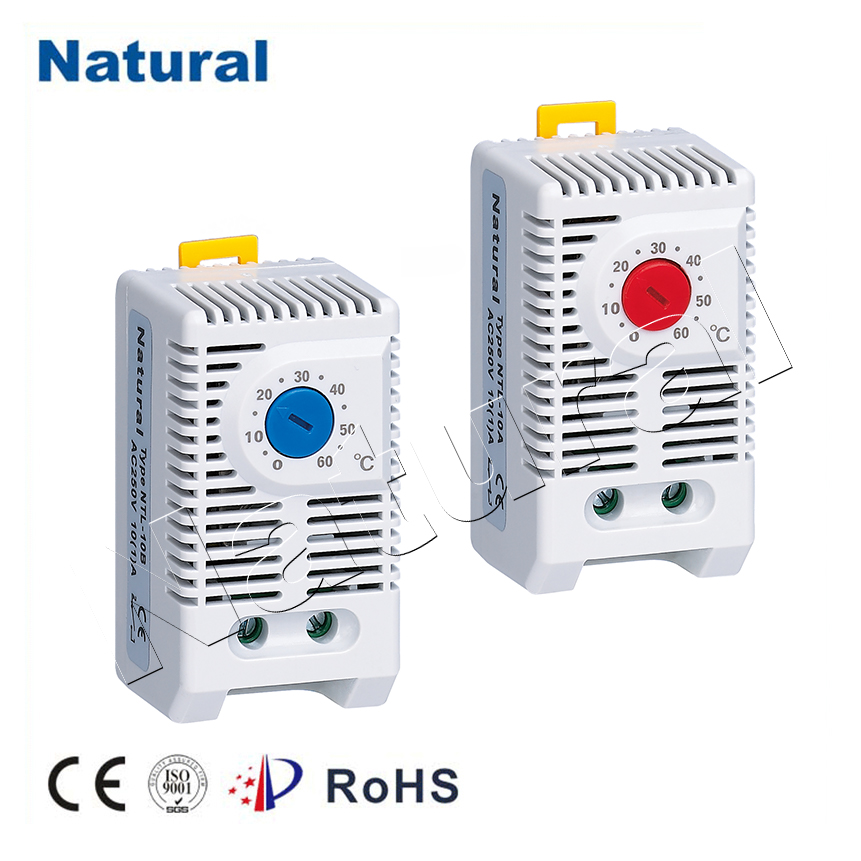
The Foundation of Comfort: A Brief Overview Wall thermostats have a long history dating back to ancient civilizations, where basic mechanisms were used to control indoor temperatures. However, the modern concept of a wall thermostat began to take shape in the late 19th century with the invention of the bimetallic strip thermostat. This invention allowed for automatic temperature regulation, improving comfort and reducing energy waste. As technology advanced, so did these thermostats, giving birth to the programmable and subsequently the smart thermostat. The Rise of Programmable Thermostats The introduction of programmable thermostats in the mid-20th century was a significant step forward in energy efficiency. These thermostats allowed users to preset temperature schedules, adapting to daily routines and reducing energy consumption during periods of absence. This innovation not only provided more control over indoor climates but also contributed to reduced utility bills and a smaller carbon footprint. Smart Thermostats: Merging Comfort with Intelligence In recent years, the convergence of technology and sustainability has ushered in the era of smart thermostats. These devices, connected to the Internet of Things (IoT), offer a plethora of features beyond basic temperature control. With the ability to learn user preferences, adjust settings remotely, and integrate with other smart home systems, smart thermostats have revolutionized how we manage our living spaces. One key advantage of smart thermostats is their adaptability. They use machine learning algorithms to analyze usage patterns and make real-time adjustments, ensuring optimal comfort while minimizing energy usage. Imagine arriving home on a scorching summer day to find your house pleasantly cooled, or returning to a cozy warm environment during the winter—all while having saved energy while you were away. Efficiency and Conservation The primary focus of wall thermostats has always been to strike a balance between comfort and energy efficiency. Programmable and smart thermostats take this principle to new heights. By minimizing the need for manual adjustments and optimizing temperature settings, these devices significantly cut down on wasted energy. Moreover, the energy savings facilitated by modern thermostats contribute to environmental conservation. Reducing energy consumption translates to lower greenhouse gas emissions, making a positive impact on climate change mitigation efforts. As these thermostats continue to gain popularity and become more accessible, their collective impact on a global scale becomes increasingly substantial. Challenges and Future Directions Despite their advancements, challenges remain for wall thermostats. Affordability can be a barrier for some users, especially when considering the upfront cost of smart thermostats. Additionally, issues related to data privacy and security in smart devices must be addressed to ensure users’ peace of mind. Looking to the future, ongoing innovation promises even more intelligent and sustainable thermostat solutions. Integration with renewable energy sources, more accurate sensors, and improved algorithms are on the horizon. As artificial intelligence continues to evolve, we can expect even smarter systems that seamlessly adapt to our preferences and further reduce energy waste. Conclusion From humble beginnings to cutting-edge technology, wall thermostats have evolved to be essential components of modern living. They have transitioned from mere temperature regulators to energy-saving devices that prioritize comfort, convenience, and environmental responsibility. Whether through the programmable thermostats that laid the foundation or the smart thermostats that are shaping the future, these devices remind us that small changes can lead to significant positive impacts. As we embrace these innovations, we move closer to a more sustainable and comfortable world.