In the modern age, where indoor air quality plays a crucial role in our overall well-being, the significance of proper ventilation cannot be overstated. Among the array of devices designed to optimize indoor air quality, ventilation filter fans stand out as vital components. These innovative systems not only ensure a continuous flow of fresh air but also actively filter out contaminants, contributing to healthier and more comfortable living environments.
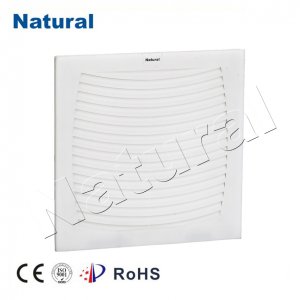
Ventilation filter fans, often integrated into heating, ventilation, and air conditioning (HVAC) systems, play a pivotal role in maintaining optimal indoor air quality. These fans work by drawing in outside air and expelling stale air from indoor spaces, creating a consistent exchange that prevents the accumulation of pollutants, humidity, and odors. By constantly renewing the air, these systems provide numerous benefits that positively impact both our health and the environment. One of the primary advantages of ventilation filter fans is their ability to mitigate indoor air pollution. Inadequate ventilation can lead to the buildup of pollutants such as volatile organic compounds (VOCs), allergens, and particulate matter. These contaminants can have adverse effects on respiratory health and overall comfort. Ventilation filter fans equipped with effective filters can capture these harmful particles, improving indoor air quality and reducing the risk of health issues. Another significant benefit of these systems is humidity control. Excessive moisture in indoor spaces can lead to mold growth, which not only damages the structure of buildings but also poses health risks. Ventilation filter fans help regulate humidity levels by replacing humid air with drier outdoor air, creating an inhospitable environment for mold and mildew. This moisture control also enhances overall comfort and prevents issues like musty odors. Energy efficiency is a critical concern in today’s world, and ventilation filter fans excel in this aspect as well. By efficiently cycling in fresh air, these systems reduce the need for mechanical cooling and heating, subsequently lowering energy consumption. Many modern filter fans are designed to work in tandem with energy recovery systems, where the heat or coolness of the expelled air is transferred to the incoming air, further maximizing energy efficiency. As we strive to create sustainable living spaces, ventilation filter fans can contribute to environmental preservation. By promoting energy efficiency and reducing the demand for HVAC systems, these fans help decrease the carbon footprint associated with indoor climate control. Additionally, proper ventilation reduces the concentration of indoor air pollutants, which can otherwise contribute to outdoor air pollution when they escape from buildings. Incorporating ventilation filter fans into residential, commercial, and industrial spaces is a step towards ensuring the well-being of occupants. However, it’s important to note that the effectiveness of these systems depends on proper maintenance. Regular filter replacement and cleaning are essential to ensure that the fans continue to function optimally and provide the desired air quality benefits. In conclusion, ventilation filter fans play a critical role in enhancing indoor air quality and overall comfort. Their ability to filter out contaminants, regulate humidity, improve energy efficiency, and contribute to environmental sustainability makes them indispensable components of modern building design. By incorporating these innovative systems, we can create healthier, more pleasant indoor environments that support our well-being and the well-being of our planet.