Introduction
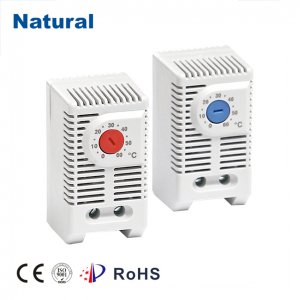
Temperature control plays a crucial role in maintaining comfortable environments for both residential and commercial spaces. One of the key devices that enable precise temperature regulation is the temperature controller thermostat. In this article, we will explore the significance of temperature controller thermostats, their working principles, benefits, and how they contribute to enhancing comfort and energy efficiency. The Functionality of Temperature Controller Thermostats Temperature controller thermostats are devices designed to monitor and regulate the temperature of a space by turning heating or cooling systems on or off as needed. They work by utilizing a sensor to detect the current temperature and comparing it to the desired setpoint. When the actual temperature deviates from the setpoint, the thermostat triggers the heating or cooling system to activate until the desired temperature is reached. Once the desired temperature is attained, the system is turned off until the next adjustment is required. Precise Temperature Regulation One of the significant advantages of temperature controller thermostats is their ability to provide precise temperature regulation. Modern thermostats often come equipped with advanced sensors and digital interfaces that allow users to set specific temperatures to within a fraction of a degree. This level of precision ensures that occupants can enjoy consistent and comfortable temperatures without experiencing sudden fluctuations. Energy Efficiency Temperature controller thermostats also contribute to energy efficiency. By allowing users to program heating and cooling cycles based on their schedules and preferences, these devices help avoid unnecessary energy consumption. For instance, programmable thermostats can be set to lower the temperature during periods when occupants are away or asleep and raise it before they return or wake up. This intelligent use of energy can lead to reduced utility bills and a smaller carbon footprint. Smart Thermostats and Connectivity The evolution of temperature controller thermostats has led to the development of smart thermostats, which offer even more advanced features. Smart thermostats can learn occupants’ routines and adjust temperatures accordingly. Moreover, many of these devices can be controlled remotely through smartphone apps, enabling users to modify settings even when they are not at home. This level of connectivity and control further enhances the convenience and energy efficiency of temperature regulation. Zoning Capabilities Another noteworthy innovation in temperature control is the implementation of zoning systems. Zoning involves dividing a building into different areas, each with its own dedicated thermostat. This allows occupants to maintain different temperatures in different zones, optimizing comfort and energy usage based on specific needs. Conclusion Temperature controller thermostats have revolutionized the way we regulate indoor temperatures. From basic models to smart thermostats with advanced features, these devices offer precise temperature control, energy efficiency, and enhanced comfort. As technology continues to advance, we can expect even more innovative developments in the field of temperature regulation, further improving our living and working environments while reducing our impact on the environment.