In today’s rapidly evolving world, ensuring optimal indoor environmental conditions has become a key concern for both residential and commercial spaces. Among the various factors that contribute to the comfort and well-being of occupants, temperature and humidity stand out as critical parameters. This article explores the significance of temperature controllers in maintaining the ideal humidity levels for enhanced comfort and well-being.
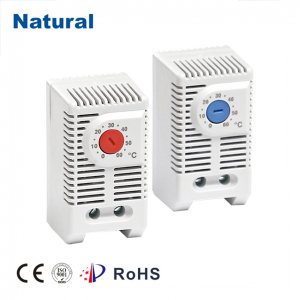
Humidity, the amount of water vapor present in the air, plays a pivotal role in determining the overall comfort of a space. Whether it’s a workplace, a healthcare facility, or a cozy home, maintaining the right humidity levels is essential. Uncontrolled humidity can lead to various issues, such as mold growth, deterioration of materials, and even health problems for individuals with respiratory conditions. Here’s where temperature controllers come into play. A temperature controller, often integrated into HVAC (Heating, Ventilation, and Air Conditioning) systems, serves as the brain behind regulating temperature and humidity levels. It monitors the existing conditions and adjusts the operation of the system to achieve the desired parameters. When it comes to humidity, temperature controllers work in tandem with humidifiers and dehumidifiers. In environments with high humidity levels, such as tropical climates, excessive moisture in the air can lead to discomfort and a range of issues. Mold and mildew thrive in such conditions, posing risks to both buildings and occupants. Temperature controllers in combination with dehumidifiers extract excess moisture from the air, preventing the growth of these harmful microorganisms. By maintaining optimal humidity levels, the controllers contribute to a healthier indoor environment. Conversely, in regions with low humidity, especially during cold winters, dry air can cause skin irritation, respiratory problems, and even damage to wooden furniture. Here, humidifiers come into action. Temperature controllers regulate the operation of humidifiers to introduce an appropriate amount of moisture into the air, alleviating the discomfort associated with dry conditions. The advancements in technology have brought about “smart” temperature controllers that offer enhanced precision and automation. These controllers can be programmed to follow specific humidity profiles throughout the day, adjusting settings based on factors like time, occupancy, and outdoor weather conditions. This not only optimizes comfort but also contributes to energy efficiency by avoiding unnecessary operation of humidifiers or dehumidifiers. Industries like pharmaceuticals, electronics manufacturing, and museums heavily rely on controlled humidity environments. For instance, sensitive electronic components are vulnerable to static electricity buildup in low humidity conditions, while excessive humidity can compromise the integrity of pharmaceutical products. In these cases, precise temperature controllers paired with humidity sensors are imperative to maintain conditions that meet stringent industry standards. In conclusion, the role of temperature controllers in regulating humidity levels is vital for creating comfortable and healthy indoor environments. By ensuring that moisture content in the air remains within the optimal range, temperature controllers contribute to the prevention of mold, the preservation of materials, and the overall well-being of occupants. As technology continues to advance, the integration of smart features in temperature controllers promises even more efficient and customized control over indoor humidity, further enhancing our quality of life.