Introduction
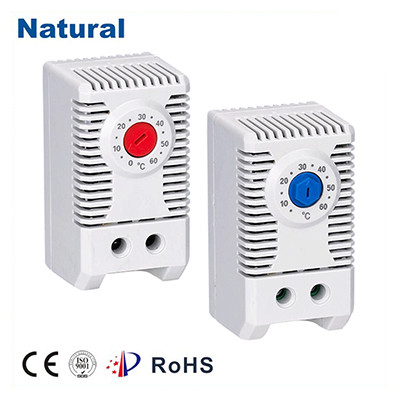
Temperature control is a critical aspect of various industries and everyday life, ensuring that processes run smoothly and comfort is maintained. One ingenious device that has played a pivotal role in achieving precise temperature regulation is the bimetal thermostat. In this article, we will delve into the workings, applications, and advantages of the temperature controller bimetal thermostat. The Inner Workings A bimetal thermostat operates on the principle of bimetallic expansion. This technology is based on the fact that two different metals expand at different rates when exposed to temperature changes. Typically, a bimetal strip consists of two metal layers bonded together, each with different coefficients of thermal expansion. When the ambient temperature changes, the bimetal strip bends due to the unequal expansion of the two metals. This bending action is then harnessed to control various mechanical or electrical systems, enabling temperature regulation. Applications in Diverse Industries The bimetal thermostat finds applications across a wide range of industries and devices due to its reliability and cost-effectiveness. One of the most common applications is in household appliances like ovens, refrigerators, and water heaters. In these devices, the bimetal thermostat ensures that the temperature remains within a specific range, providing consistent performance and preventing overheating. Industrial processes heavily rely on bimetal thermostats as well. They are used in heating and cooling systems to maintain desired temperatures, preventing equipment from malfunctioning due to extreme temperature fluctuations. Moreover, automotive engines use bimetal thermostats to regulate coolant flow, ensuring optimal engine temperatures and fuel efficiency. Advantages of Bimetal Thermostats Reliability: Bimetal thermostats have a simple and robust design, making them highly reliable over extended periods of operation. Their mechanical nature reduces the risk of electronic component failure. Affordability: Compared to more complex electronic temperature control systems, bimetal thermostats are cost-effective to manufacture and implement, making them a popular choice, especially in mass-produced consumer goods. Self-Sufficiency: Bimetal thermostats are self-contained systems that do not require external power sources. This feature is particularly advantageous in remote or energy-constrained environments. Safety: The mechanical nature of bimetal thermostats makes them inherently safe to use in hazardous conditions. They can handle high temperatures without posing a fire risk. Wide Temperature Range: Bimetal thermostats can be designed to operate over a wide temperature range, making them versatile for various applications where temperature control is vital. Conclusion In the intricate world of temperature control, the bimetal thermostat stands as a testament to the beauty of simple yet effective engineering solutions. Its reliance on the principles of bimetallic expansion has enabled its integration into a multitude of industries, ranging from household appliances to industrial processes. With advantages such as reliability, affordability, and self-sufficiency, bimetal thermostats continue to play an essential role in ensuring optimal temperature regulation. As technology advances, the bimetal thermostat might face competition from more advanced electronic systems, but its enduring presence and adaptability cannot be denied. This unassuming device, with its capacity to bend and flex with temperature changes, has undoubtedly left an indelible mark on the modern world of temperature control.