In the ever-evolving landscape of smart home technology, tamper-proof thermostats have emerged as a significant innovation that not only enhances energy efficiency but also bolsters security. These intelligent devices are reshaping the way we interact with our living spaces, offering a blend of convenience, sustainability, and protection. In this article, we will delve into the world of tamper-proof thermostats, exploring their features, benefits, and the impact they have on modern living.
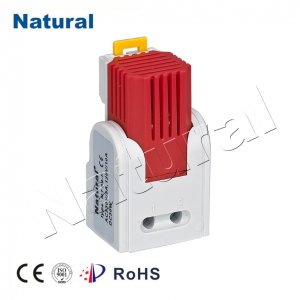
The Evolution of Thermostats: From Analog to Smart Traditionally, thermostats were simple analog devices that allowed homeowners to manually adjust indoor temperatures. With the advent of digital technology, programmable thermostats offered the ability to schedule temperature changes, optimizing energy consumption. However, the introduction of smart thermostats took this concept to new heights by enabling remote control through smartphones and learning from user behaviors to autonomously regulate temperatures. The Concept of Tamper-Proof Thermostats Tamper-proof thermostats are a specialized subset of smart thermostats designed to prevent unauthorized access and tampering. Built with advanced security features, these devices ensure that only authorized users can make adjustments, which is particularly valuable in environments such as rental properties, commercial spaces, and public buildings. This innovation not only safeguards against unwarranted temperature changes but also helps conserve energy by maintaining optimal settings. Key Features and Benefits Access Control:Tamper-proof thermostats often employ PIN codes, biometric recognition, or remote authorization mechanisms to limit access. This prevents unauthorized individuals from making adjustments, thus maintaining a consistent and energy-efficient environment. Energy Efficiency:By preventing tampering, these thermostats ensure that carefully calibrated settings remain intact, reducing energy wastage caused by abrupt temperature changes. This contributes to lower utility bills and a reduced carbon footprint. Data Security:Tamper-proof thermostats usually come with enhanced data encryption and secure communication protocols. This shields user data from potential breaches, ensuring personal information and usage patterns remain confidential. Remote Monitoring:Property managers, homeowners, and facility supervisors can remotely monitor and adjust thermostat settings, enabling real-time control and rapid response to changing conditions. Learning Capabilities:Many tamper-proof thermostats integrate learning algorithms that adapt to users’ preferences and daily routines, optimizing temperature settings automatically while still maintaining security. Maintenance Alerts:These devices often offer maintenance alerts, notifying users or property managers about system performance issues or the need for servicing, ensuring uninterrupted functionality. Impact on Modern Living The integration of tamper-proof thermostats into smart homes, offices, and public spaces has multifaceted implications: Tenant Satisfaction:In rental properties, tenants can enjoy comfortable environments without the worry of unauthorized adjustments, enhancing their overall living experience. Energy Conservation:By preventing temperature fluctuations due to tampering, energy consumption remains stable, reducing the strain on power grids and lessening the environmental impact. Remote Management:Property managers and building supervisors gain greater control over energy usage, leading to more efficient building operations and cost savings. Security Enhancement:The robust security features of tamper-proof thermostats contribute to overall property security, ensuring that only authorized individuals can access and modify settings. In Conclusion Tamper-proof thermostats represent a remarkable intersection of energy efficiency and security in the realm of smart home technology. With their access control mechanisms, energy-saving potential, and data protection features, they are paving the way for a more sustainable, secure, and convenient future. As technology continues to advance, these devices are poised to play an increasingly significant role in shaping the way we interact with our living and working spaces.