In various industries and applications, maintaining precise temperature control is paramount. From laboratories to manufacturing plants, the need for accurate and reliable temperature regulation has led to the development of innovative solutions. One such solution that has gained prominence is the small temperature controller. This article explores the features, applications, and benefits of this compact yet powerful device.
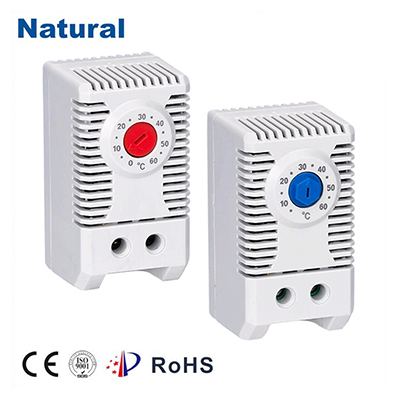
Features of Small Temperature Controllers Small temperature controllers are engineered to provide accurate temperature control in a compact form factor. Despite their diminutive size, these controllers are equipped with advanced features that ensure optimal performance. Most models feature a clear LED display that shows the current temperature and the setpoint. This user-friendly interface allows for easy monitoring and adjustment of the desired temperature. One of the key attributes of these controllers is their precise temperature sensing and control capabilities. They employ high-quality sensors that provide accurate readings and enable rapid adjustments to maintain the desired temperature. Many models also offer programmable temperature profiles, allowing users to define specific temperature ranges and time intervals, which is particularly useful in applications requiring temperature cycling. Applications of Small Temperature Controllers The versatility of small temperature controllers makes them suitable for a wide range of applications. In research laboratories, they are utilized to maintain stable temperature conditions for experiments that demand precision. Pharmaceutical and biotechnology industries employ these controllers for tasks such as incubation and fermentation, where even slight temperature fluctuations can affect results. Small temperature controllers are also integral to the food and beverage industry, ensuring that perishable goods are stored and transported under optimal temperature conditions. Additionally, these controllers find their place in manufacturing processes, where consistent temperature control is crucial for producing high-quality products, such as semiconductors and plastics. Benefits of Small Temperature Controllers The compact size of these controllers brings several advantages. Their small footprint allows them to be easily integrated into tight spaces or installed within equipment where space is limited. This feature is particularly advantageous in applications where multiple controllers are needed, such as in large-scale manufacturing setups. Energy efficiency is another noteworthy benefit. Small temperature controllers require minimal energy to operate, contributing to reduced operational costs over time. Moreover, their precise control capabilities lead to less energy wastage by preventing unnecessary heating or cooling cycles. Maintenance is simplified due to the durable construction of these controllers. They are designed to withstand harsh environmental conditions, ensuring longevity and minimizing downtime. This robustness makes them suitable for both indoor and outdoor applications. Conclusion In the world of temperature regulation, precision and efficiency are paramount. Small temperature controllers excel in delivering both, offering accurate temperature control in a compact package. With their advanced features, wide-ranging applications, and numerous benefits, these controllers have become indispensable tools across industries. Whether it’s maintaining the optimal environment for sensitive experiments or ensuring the quality of manufactured products, the small temperature controller stands as a testament to the remarkable capabilities of modern engineering.