In the realm of energy-efficient technologies, the regulable thermostat stands out as a small yet powerful device that significantly impacts our daily lives and the environment. This innovative creation has revolutionized the way we control indoor temperatures, providing numerous benefits that contribute to both comfort and sustainability.
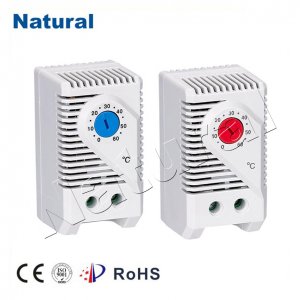
A regulable thermostat, commonly referred to as a programmable thermostat, is a device that allows users to set specific temperature schedules for their homes or workplaces. Unlike traditional thermostats that require manual adjustments, regulable thermostats offer the convenience of pre-programmed temperature changes throughout the day, adapting to occupants’ needs and preferences. One of the primary advantages of regulable thermostats is energy efficiency. They enable users to establish temperature settings that align with their daily routines. For instance, during the winter months, the thermostat can be set to lower the temperature when occupants are away at work or asleep, and raise it before they wake up or return home. This fine-tuned control prevents unnecessary energy consumption, leading to lower utility bills and reduced carbon emissions. Moreover, regulable thermostats contribute to enhanced comfort. They eliminate the need to manually adjust the thermostat repeatedly, ensuring a consistent and optimal indoor environment. This feature is especially beneficial for families with varying schedules or individuals who spend long hours at work, as they can return to a cozy and well-regulated space without any effort. Beyond personal convenience, regulable thermostats play a crucial role in mitigating climate change. According to the U.S. Environmental Protection Agency (EPA), using a programmable thermostat can save up to 10% on heating and cooling costs annually. By curbing energy consumption, these devices directly reduce the demand for fossil fuels, helping to minimize the environmental impact associated with energy production. Furthermore, the adoption of regulable thermostats encourages technological innovation and sustainable practices. As the demand for energy-efficient solutions grows, manufacturers invest in research and development, leading to the creation of more advanced and eco-friendly products. This not only fosters a culture of innovation but also contributes to a greener and more sustainable future. However, for all its merits, the effective use of regulable thermostats requires awareness and proper usage. Users should be well-informed about the programming features to ensure they maximize the benefits. Additionally, regular maintenance and updates are essential to ensure the thermostat functions optimally over time. In conclusion, the advent of regulable thermostats has brought about a paradigm shift in how we regulate indoor temperatures. By promoting energy efficiency, comfort, and environmental responsibility, these devices have become integral to modern living. As we continue to strive for a more sustainable future, embracing regulable thermostats is a small yet impactful step that can lead to substantial positive change.