In today’s rapidly evolving world, air quality has become a paramount concern. With the increasing industrialization, urbanization, and environmental degradation, the air we breathe is often laden with pollutants and allergens that can pose significant health risks. As a result, there is a growing need for effective air filtration systems. One solution that has gained prominence in recent years is the panel filter.
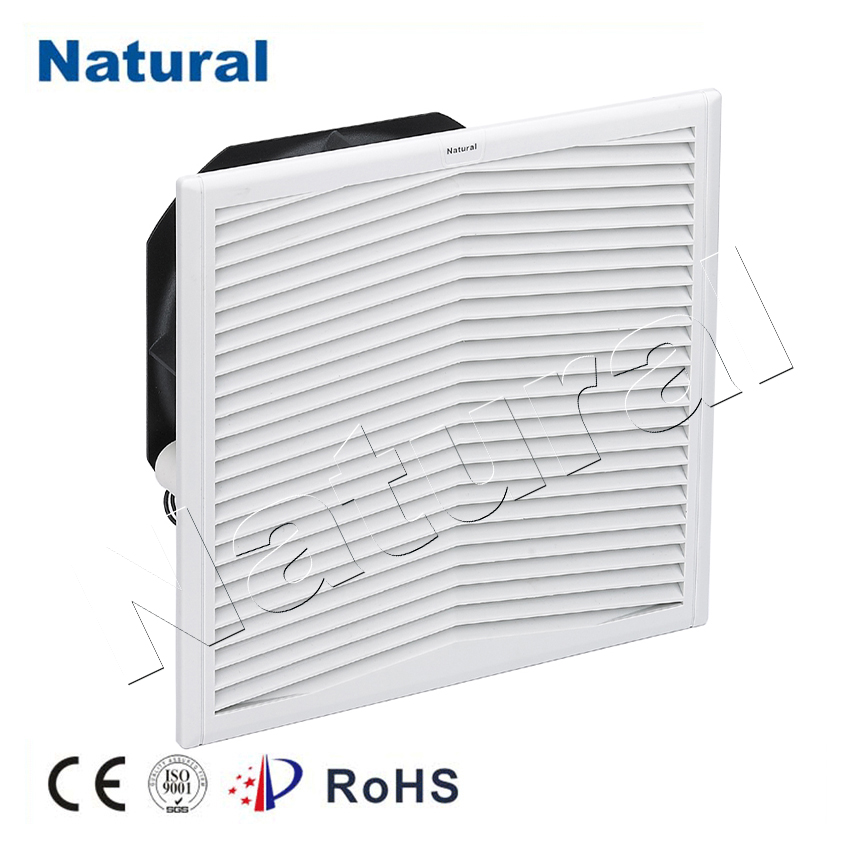
Panel filters, also known as flat filters, are an essential component of HVAC (Heating, Ventilation, and Air Conditioning) systems. These filters are designed to capture airborne particles such as dust, pollen, pet dander, and even some bacteria, thereby improving indoor air quality. They are typically made from materials like fiberglass, polyester, or cotton fibers, arranged in a flat, rectangular shape. The effectiveness of a panel filter is determined by its MERV (Minimum Efficiency Reporting Value) rating. This rating system ranges from 1 to 20, with higher values indicating a higher filtration efficiency. Panel filters with higher MERV ratings are capable of capturing even smaller particles, making them particularly useful for individuals with allergies or respiratory conditions. One of the significant advantages of panel filters is their ease of use and maintenance. They are usually disposable, and replacing them at regular intervals ensures optimal filtration efficiency. Additionally, cleaning the surrounding area and maintaining proper airflow around the filter can prolong its lifespan and effectiveness. Panel filters come in various sizes to fit different HVAC systems, and they can be custom-made to meet specific requirements. This adaptability makes them a versatile choice for both residential and commercial spaces. Installation is generally simple and can be carried out by homeowners or HVAC professionals. When it comes to energy efficiency, panel filters offer a favorable solution. By capturing particles before they accumulate in the HVAC system, these filters help maintain system efficiency, reducing the need for excessive energy consumption. This not only contributes to cost savings but also extends the lifespan of the HVAC equipment. However, like any technology, panel filters are not without limitations. While they are effective at capturing airborne particles, they might not be as efficient in removing certain gases or odors. In such cases, complementary technologies such as activated carbon filters may be used in conjunction with panel filters for enhanced air purification. In conclusion, panel filters play a crucial role in maintaining indoor air quality and promoting a healthier living environment. Their ease of use, adaptability, and effectiveness in capturing particles make them an essential component of modern HVAC systems. As the world continues to grapple with environmental challenges, investing in air filtration technologies like panel filters is a step toward safeguarding the well-being of individuals and communities. To harness the full potential of panel filters, it’s essential to choose the right filter for your specific needs and to adhere to a regular maintenance schedule. By doing so, you can ensure that your HVAC system operates efficiently while providing clean, fresh air for you and your loved ones.