Thermal protection devices play a crucial role in safeguarding various electrical and electronic appliances from overheating. Among these devices, normally open and normally closed thermostat thermal protectors are widely used to ensure optimal performance and prevent potential hazards. In this article, we will delve into the workings of these thermal protectors, highlighting their differences, applications, and importance.
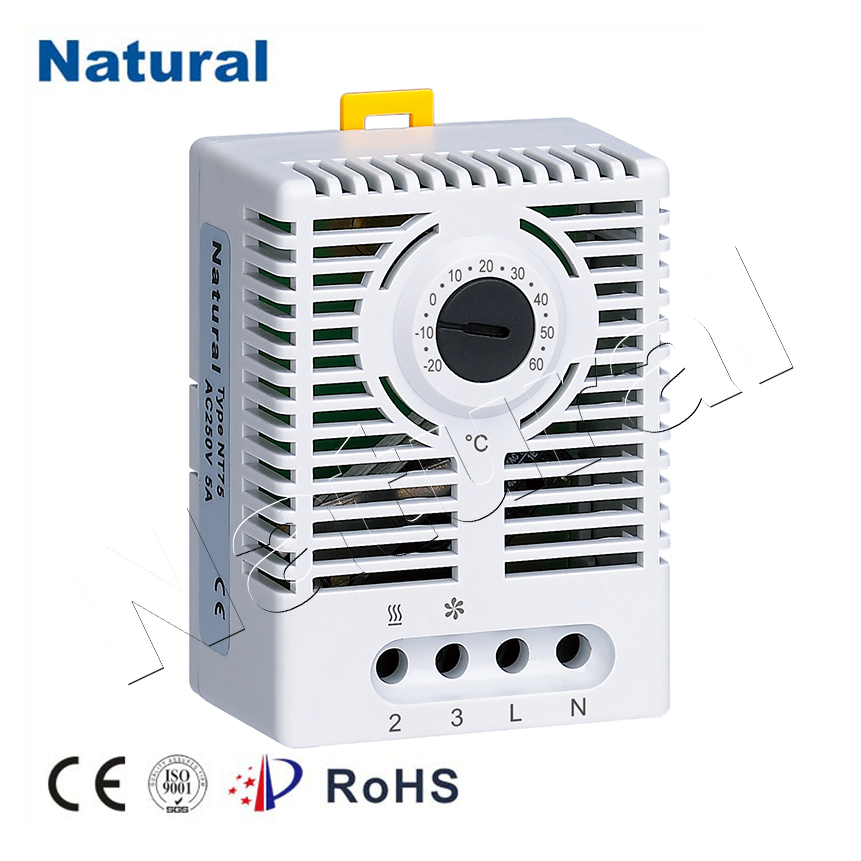
Understanding Normally Open and Normally Closed Thermostat Thermal Protectors Normally open (NO) and normally closed (NC) are terms that describe the initial state of a switch within a thermal protector when it is at room temperature and operating under normal conditions. A thermostat thermal protector comprises a temperature-sensitive mechanism that triggers the switch to change its state once a certain temperature threshold is exceeded. Normally Open (NO) Thermostat:In a normally open thermostat thermal protector, the switch is open at room temperature, interrupting the electrical circuit. When the temperature rises beyond the predetermined threshold, the switch closes, completing the circuit and allowing current to flow. This action is intended to shut down the appliance or equipment, preventing further temperature rise and potential damage. Normally Closed (NC) Thermostat:Conversely, a normally closed thermostat thermal protector begins with the switch in a closed state at room temperature, allowing current to flow through the circuit. Once the temperature surpasses the set threshold, the switch opens, breaking the circuit and stopping the current flow. This protects the appliance from overheating and potential malfunction. Applications and Importance Normally Open (NO) Thermostat:NO thermostat thermal protectors are often used in applications where safety is of paramount importance. They find their place in scenarios where power needs to be cut off immediately upon overheating. Examples include hairdryers, irons, and certain types of electric motors. By swiftly disconnecting the power source, these thermal protectors help prevent fires and extend the lifespan of the appliance. Normally Closed (NC) Thermostat:NC thermostat thermal protectors are commonly employed in situations where a gradual cooldown is desired after reaching the threshold temperature. Refrigerators, air conditioners, and water heaters are typical examples of appliances that benefit from NC thermal protectors. These protectors enable controlled cycling of the equipment, allowing them to maintain a steady temperature range and preventing abrupt disruptions in operation. Choosing the Right Protector for the Job Selecting between normally open and normally closed thermostat thermal protectors depends on the specific requirements of the application. Factors such as the appliance’s function, potential risks associated with overheating, and desired safety measures all come into play. Manufacturers carefully evaluate these aspects to ensure optimal performance and customer satisfaction. In conclusion, normally open and normally closed thermostat thermal protectors are indispensable components that enhance the safety and reliability of electrical appliances. Their distinct operating mechanisms cater to different applications, offering the flexibility to tailor thermal protection to specific needs. As technology continues to advance, these protectors will undoubtedly evolve, providing even more efficient and precise means of safeguarding our devices from thermal stress.