Introduction
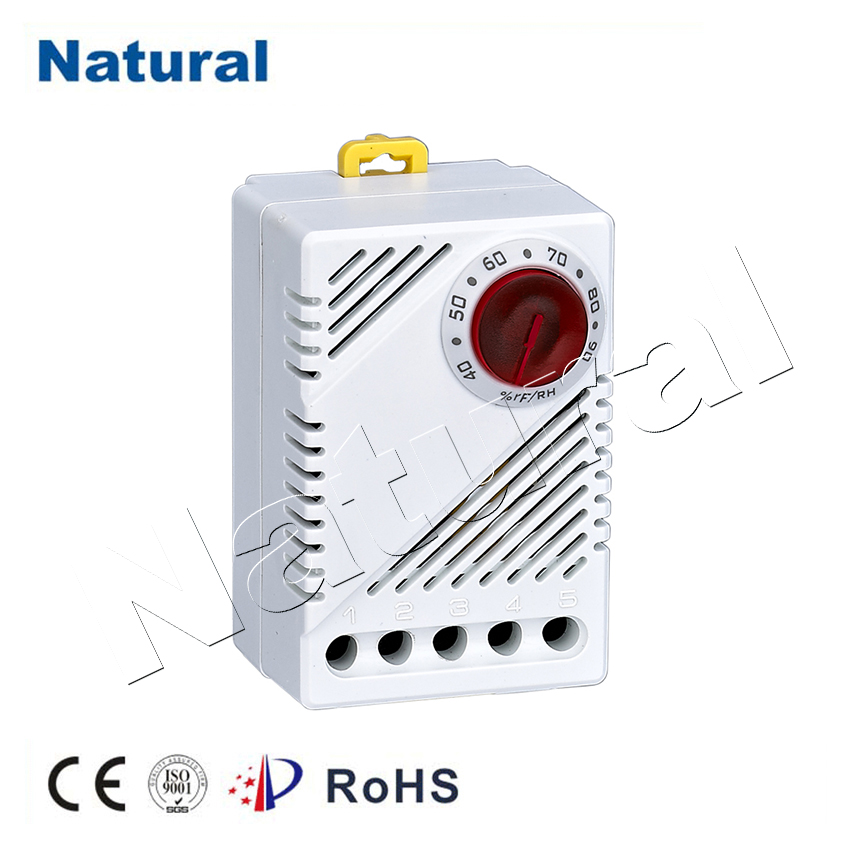
In today’s technologically advanced world, temperature control is a crucial aspect in various industries and applications. Mechanical temperature controllers, although considered traditional in comparison to their electronic counterparts, play a significant role in regulating temperatures across different systems. This article delves into the functionality and applications of mechanical temperature controllers, highlighting their enduring relevance and effectiveness. Functionality of Mechanical Temperature Controllers Mechanical temperature controllers are devices designed to maintain a desired temperature range within a system by automatically adjusting the flow of a heating or cooling element. Unlike electronic controllers that rely on digital sensors and microprocessors, mechanical controllers employ mechanical components such as bimetallic strips, gas-filled bulbs, and springs to achieve their function. A bimetallic strip is a fundamental component in many mechanical controllers. It consists of two different metal strips bonded together, each with different coefficients of thermal expansion. As the temperature changes, the strips bend due to the uneven expansion, triggering a mechanical action that controls the temperature-regulating mechanism. Applications in Various Industries HVAC Systems:Mechanical temperature controllers are widely used in heating, ventilation, and air conditioning (HVAC) systems. These controllers help maintain a comfortable indoor environment by regulating the heating and cooling elements based on the temperature setpoint. Household Appliances:Traditional household appliances like ovens, toasters, and refrigerators often utilize mechanical temperature controllers. These controllers ensure that the appliances operate within safe temperature ranges, preventing overheating or under-cooling. Industrial Processes:Mechanical temperature controllers are found in various industrial processes that require specific temperature control. Industries such as food production, chemical manufacturing, and metalworking rely on these controllers to maintain optimal operating conditions. Automotive Sector:Some components in vehicles require precise temperature control. Mechanical controllers can be found in engine cooling systems, cabin heating, and air conditioning units. Advantages of Mechanical Temperature Controllers Reliability:Mechanical controllers have a proven track record of reliability over time. They are less prone to electronic malfunctions and can withstand harsh environmental conditions. Simplicity:The straightforward design of mechanical controllers makes them easy to install, operate, and maintain. They often require minimal calibration. Cost-Effectiveness:Mechanical controllers are generally more affordable than their electronic counterparts, making them a preferred choice in applications where advanced digital features are not necessary. Limitations and Future Considerations While mechanical temperature controllers have their advantages, they do come with limitations. Their accuracy might be lower compared to electronic controllers, and they might not be suitable for applications requiring extremely precise temperature regulation. As technology advances, there might be opportunities to integrate mechanical and electronic elements, creating hybrid systems that harness the benefits of both approaches. Conclusion In the realm of temperature control, mechanical temperature controllers continue to hold their ground as reliable and cost-effective solutions. Their enduring relevance is evident in their diverse applications across industries. As we look to the future, finding ways to enhance their accuracy and incorporate modern technologies could further extend their usefulness. Whether in HVAC systems, household appliances, or industrial processes, mechanical temperature controllers play a vital role in maintaining stable and controlled environments.