Introduction
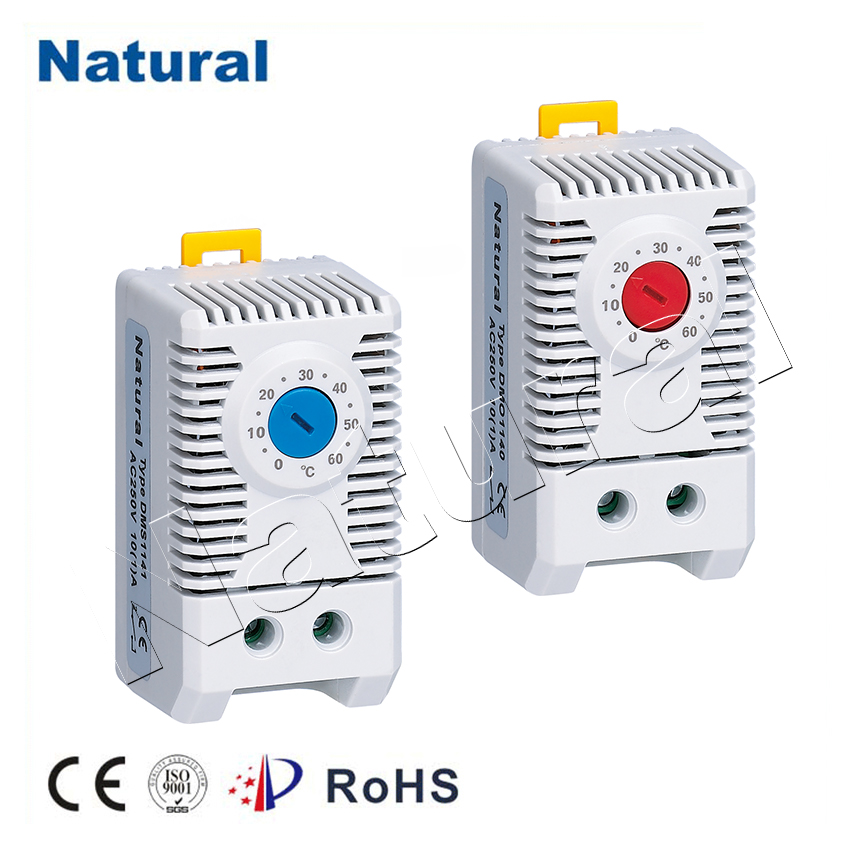
In the realm of modern industrial processes, precision and control are paramount. The implementation of advanced technologies has revolutionized various sectors, and one such technological marvel that often goes unnoticed is the industrial thermostat. Industrial thermostats play a pivotal role in maintaining optimal temperature conditions, thereby enhancing efficiency, quality, and safety across a wide range of industries. This article delves into the significance, functioning, and recent advancements in industrial thermostat technology. Significance of Industrial Thermostats Industrial processes span diverse sectors, including manufacturing, pharmaceuticals, food production, and more. Maintaining precise temperature levels is crucial for the success of these processes. Industrial thermostats act as the guardians of temperature control, ensuring that equipment, materials, and products are kept within specified temperature ranges. This precision helps to enhance product quality, reduce waste, and prevent costly deviations. Functioning of Industrial Thermostats At their core, industrial thermostats are devices designed to regulate temperature by controlling heating or cooling systems. They consist of sensors that measure the current temperature and compare it to a desired setpoint. Based on this comparison, the thermostat activates or deactivates the heating or cooling mechanism. This continuous feedback loop ensures that the temperature remains stable, avoiding any fluctuations that could disrupt the process. Advancements in Industrial Thermostat Technology Smart Thermostats: The integration of IoT (Internet of Things) technology has led to the development of smart industrial thermostats. These thermostats can be remotely controlled and monitored through smartphones or computers. Real-time data tracking allows for immediate adjustments and proactive maintenance, leading to improved process efficiency. Machine Learning and AI: Some industrial thermostats now employ machine learning algorithms and artificial intelligence to predict temperature changes based on historical data and external factors. This predictive capability enables proactive temperature regulation, further reducing deviations and ensuring optimal conditions. Wireless Connectivity: Wireless communication protocols have enabled seamless connectivity between industrial thermostats and other process control systems. This integration facilitates coordinated temperature management within complex industrial setups. Energy Efficiency: Modern industrial thermostats prioritize energy efficiency by optimizing heating and cooling cycles. They can adjust power consumption based on demand, leading to reduced energy costs and environmental impact. Safety Enhancements: Industrial thermostats now come equipped with enhanced safety features such as emergency shut-off mechanisms and alarms triggered by temperature anomalies. These features safeguard both the process and personnel. Conclusion The unsung heroes of industrial processes, industrial thermostats, play a crucial role in maintaining stable temperature conditions. Their evolution from simple temperature regulators to sophisticated, interconnected devices highlights the relentless march of technological progress. With smart capabilities, predictive algorithms, and energy-efficient designs, these thermostats have become indispensable tools for industries striving to achieve consistent quality, heightened efficiency, and operational excellence. As industries continue to advance, it is certain that industrial thermostat technology will march alongside, contributing silently yet significantly to our modern way of life.