In industrial settings where machinery operates around the clock, maintaining optimal air quality is crucial for both the well-being of workers and the efficiency of operations. Industrial fan filters play a vital role in achieving these goals by effectively capturing airborne particles and ensuring a clean and safe working environment.
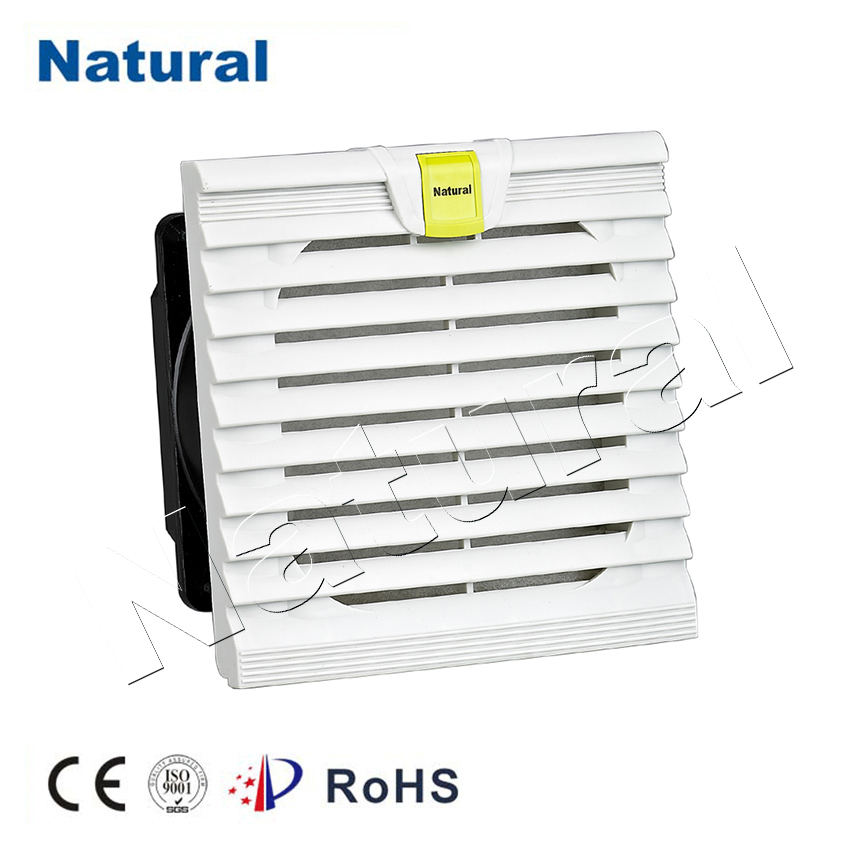
The Importance of Air Quality Clean air is an essential component of any industrial facility. Dust, pollutants, and other particles can accumulate in the air over time, leading to a range of problems. Poor air quality can adversely affect the health of employees, causing respiratory issues and allergies. Furthermore, contaminated air can interfere with the operation of sensitive equipment and machinery, leading to reduced efficiency and costly downtime. Function and Benefits of Industrial Fan Filters Industrial fan filters are designed to remove airborne particles from the surrounding air. These filters are installed in ventilation systems and air handling units, where they trap dust, dirt, allergens, and other pollutants. By doing so, they ensure that the air circulated within the facility is free from harmful contaminants, creating a healthier work environment. One of the primary benefits of using industrial fan filters is the prevention of equipment damage. Airborne particles can accumulate on delicate machinery components, causing wear and tear over time. By removing these particles from the air, fan filters extend the lifespan of equipment and reduce the frequency of maintenance and repairs, saving both time and money. Types of Industrial Fan Filters There are various types of industrial fan filters available, each designed to meet specific filtration needs. Some common types include: Pre-Filters: These filters capture larger particles, such as dust and debris, preventing them from reaching the more sensitive components of the filtration system. HEPA Filters: High-Efficiency Particulate Air (HEPA) filters are highly effective at capturing small particles, including allergens and microorganisms. They are commonly used in industries where air quality is of utmost importance, such as pharmaceutical and electronics manufacturing. Activated Carbon Filters: These filters excel at removing odors, gases, and volatile organic compounds (VOCs) from the air, making them suitable for facilities where chemical processes occur. Bag Filters: Bag filters are efficient at capturing a wide range of particle sizes and are often used in industrial settings with heavy dust loads. Maintenance and Replacement To ensure the continued effectiveness of industrial fan filters, regular maintenance and timely replacement are essential. Over time, filters become saturated with captured particles, which can hinder airflow and reduce filtration efficiency. A well-maintained filtration system will not only provide cleaner air but also contribute to energy savings by allowing the HVAC system to operate more efficiently. Conclusion In conclusion, industrial fan filters play a critical role in maintaining air quality and enhancing operational efficiency in industrial environments. By capturing airborne particles and contaminants, these filters create a healthier workspace for employees and protect valuable equipment from damage. With various types of filters available to suit specific needs, investing in a comprehensive filtration system can yield significant long-term benefits. Regular maintenance and replacement of filters further ensure that the system operates at its best, promoting a safer and more productive work environment overall.