A 12V 100A relay is an essential component in various electronic and electrical applications that require the control of high-current circuits using a low-power signal. These relays are designed to handle heavy electrical loads and provide a safe means of switching large currents without directly engaging the power supply with the controlling system. In this article, we will explore the functionality, applications, and key considerations of 12V 100A relays in modern electronics and industrial systems.
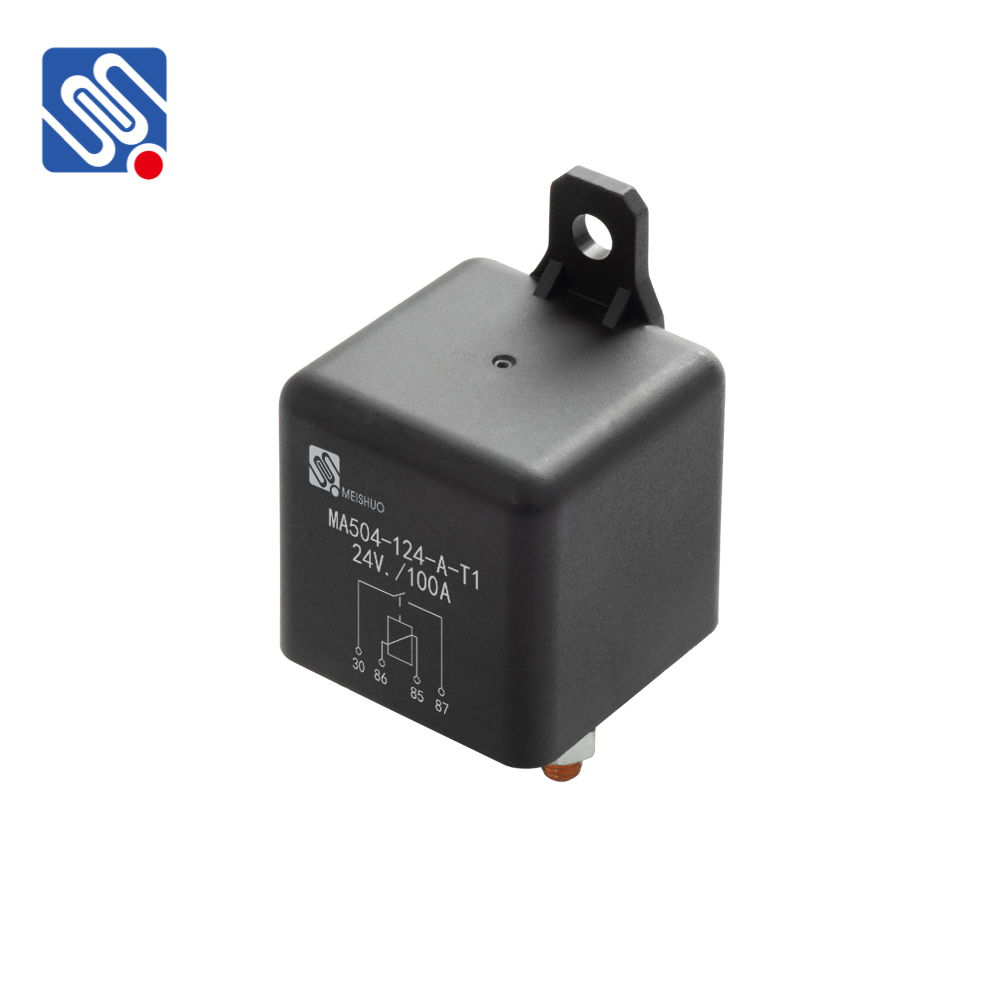
What is a 12V 100A Relay? A 12V 100A relay is an electromechanical switch that operates on a 12-volt direct current (DC) control signal to switch electrical circuits that can carry up to 100 amperes of current. It consists of a coil, a set of contacts, and a spring mechanism that allows it to open and close the circuit. When 12V is applied to the relay’s coil, it generates a magnetic field that pulls a set of contacts together (in a normally open configuration) or separates them (in a normally closed configuration). This allows the relay to control high-power electrical devices safely. The primary function of the relay is to isolate low-power control circuits from high-power load circuits. This makes it an ideal choice for applications where a microcontroller or another low-voltage device needs to control heavy-duty electrical systems.
Leave a Reply