In various industrial and manufacturing environments, ensuring the safety of employees during maintenance and repair activities is paramount. One effective method of achieving this is through the use of LOTO (Lockout/Tagout) safety padlocks, which serve as a crucial component of any safety protocol. LOTO safety padlocks are designed to protect workers from the accidental release of hazardous energy while they are engaged in servicing equipment. This article delves into the significance of LOTO safety padlocks, their features, and best practices for their implementation.
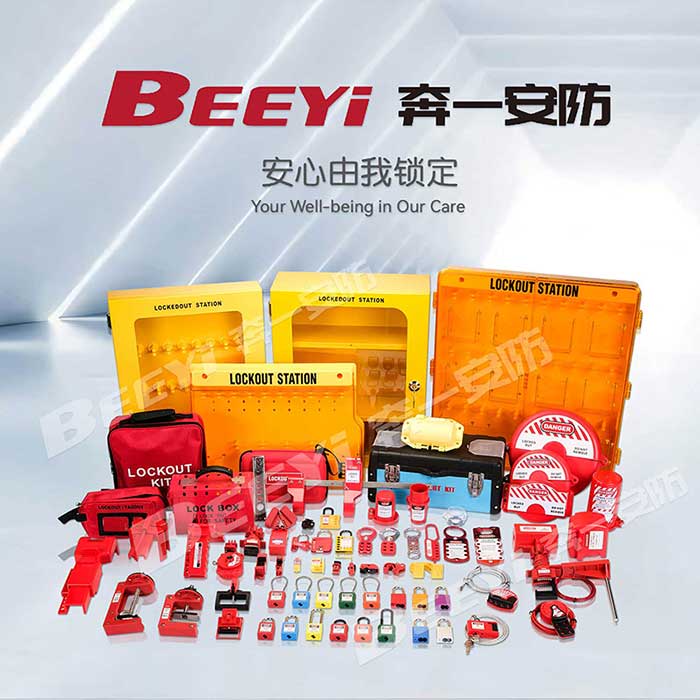
The Essence of LOTO Safety Padlocks LOTO procedures are a series of safety measures that are put in place to prevent the unexpected energization, startup, or release of stored energy in machinery and equipment. The LOTO safety padlock serves as a physical barrier that secures machines in the off position, ensuring that only authorized personnel can access or operate the equipment during maintenance. Occupational Safety and Health Administration (OSHA) regulations mandate comprehensive LOTO programs in workplaces where the potential for accidental machine startup exists. The use of safety padlocks is at the heart of these programs, as they provide a clear and visible means of securing equipment. Therefore, understanding the significance of these padlocks is vital for employers and employees alike.
Leave a Reply