Electric actuators have become essential components in modern automation systems, providing precise motion control for a wide range of applications. From industrial machinery to robotics and even everyday appliances, electric actuators play a critical role in translating electrical energy into mechanical movement. This article aims to explore the workings, advantages, and diverse applications of electric actuators.
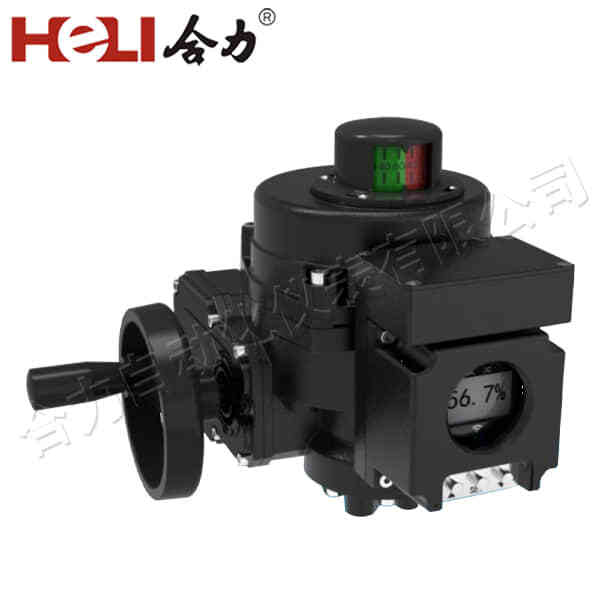
What is an Electric Actuator?
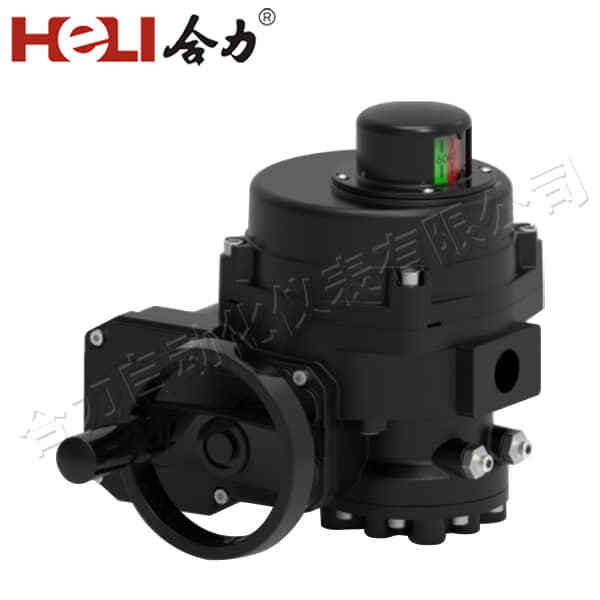
An electric actuator is a device that uses electric power to convert energy into motion. It typically consists of an electric motor, a reduction gear mechanism, and a mechanical transmission system that translates the motor’s rotational motion into linear or rotational motion. Depending on the design, electric actuators can generate either a straight-line (linear) motion or a rotational (rotary) motion. The most common types of electric actuators are linear electric actuators and rotary electric actuators. Linear actuators move objects in a straight line, while rotary actuators provide rotational movement. Both types are found in various industries and applications, each serving a specific need for automated movement.
Leave a Reply