Pneumatic ball valves play a vital role in industries that require efficient and precise flow control of gases and liquids. These valves are typically actuated by compressed air, making them a crucial component in automation and remote-control systems. As industries across the globe move towards more automated, efficient, and reliable operations, pneumatic ball valve manufacturers are at the forefront of providing high-quality solutions that cater to these growing demands. This article explores the importance of pneumatic ball valve manufacturers, the features of their products, and the role these manufacturers play in modern industrial applications.
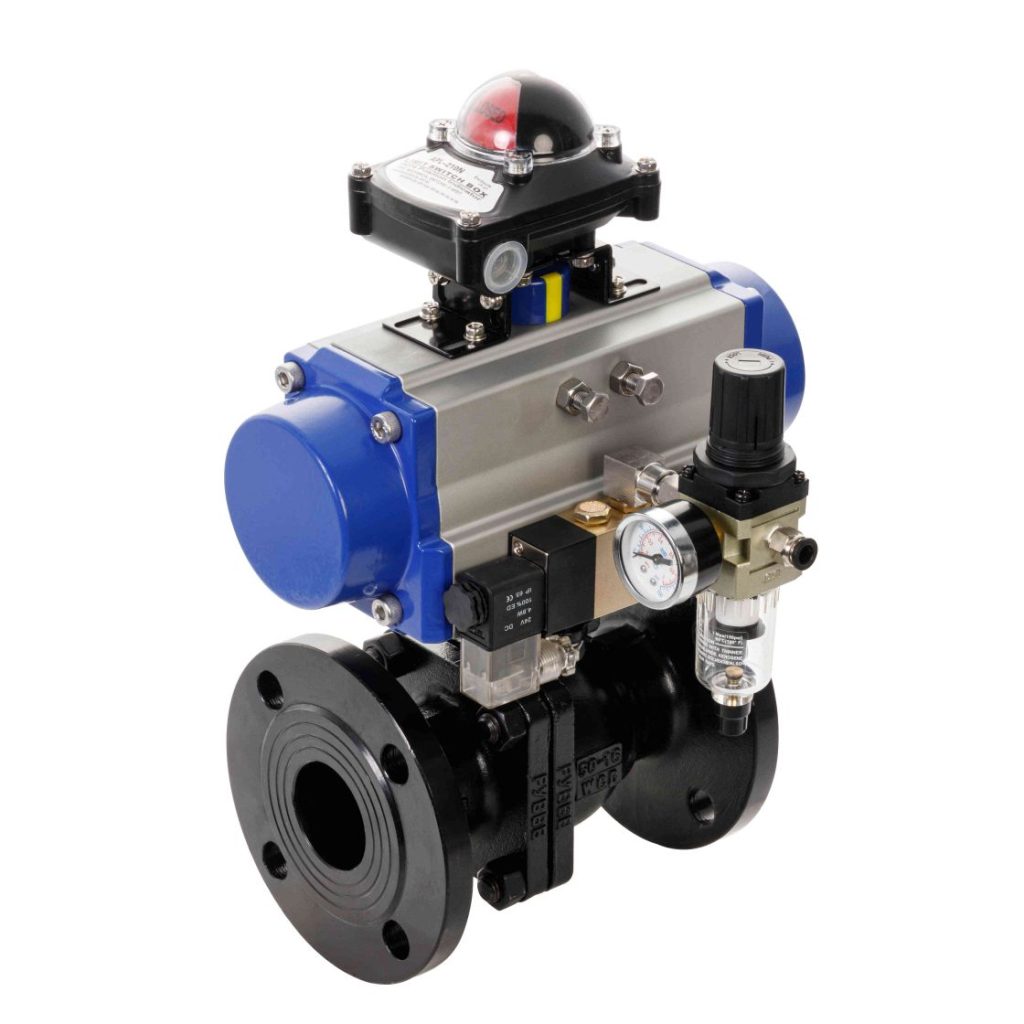
Understanding Pneumatic Ball Valves
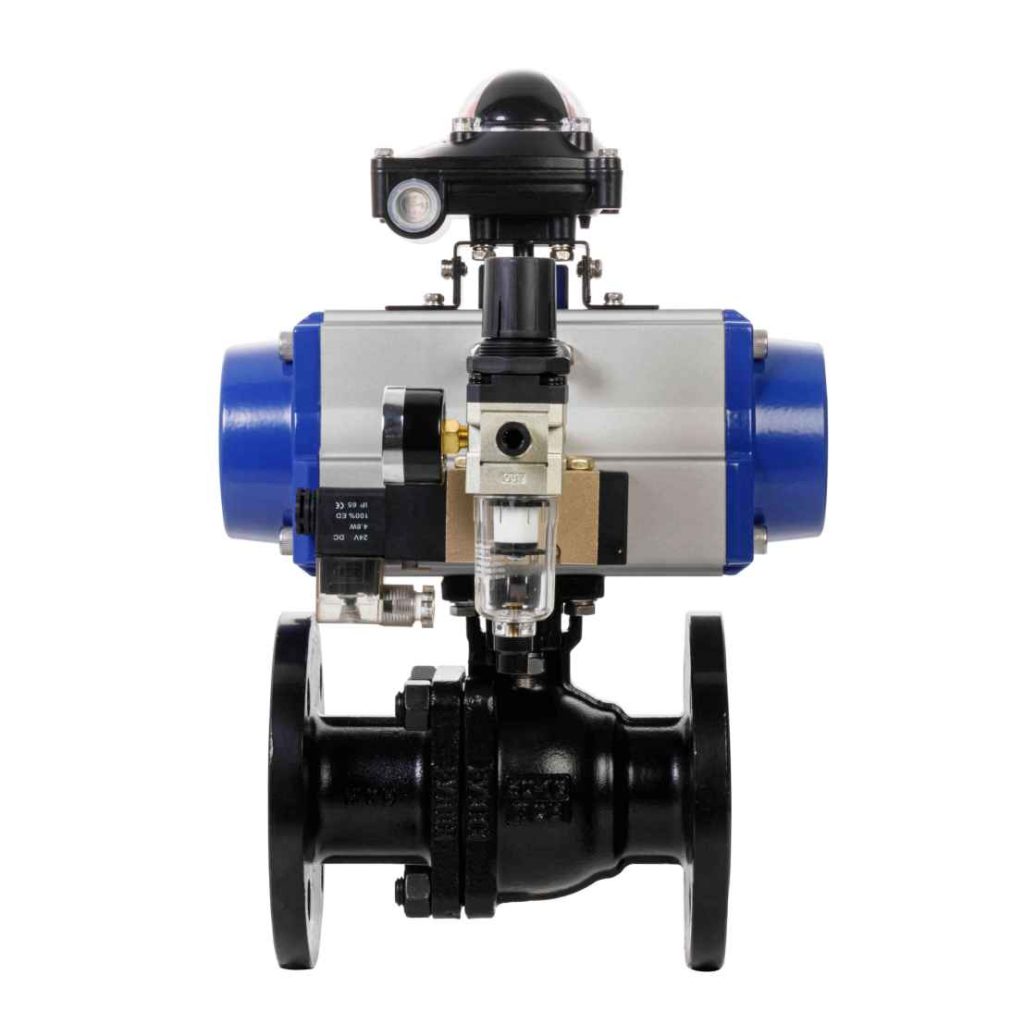
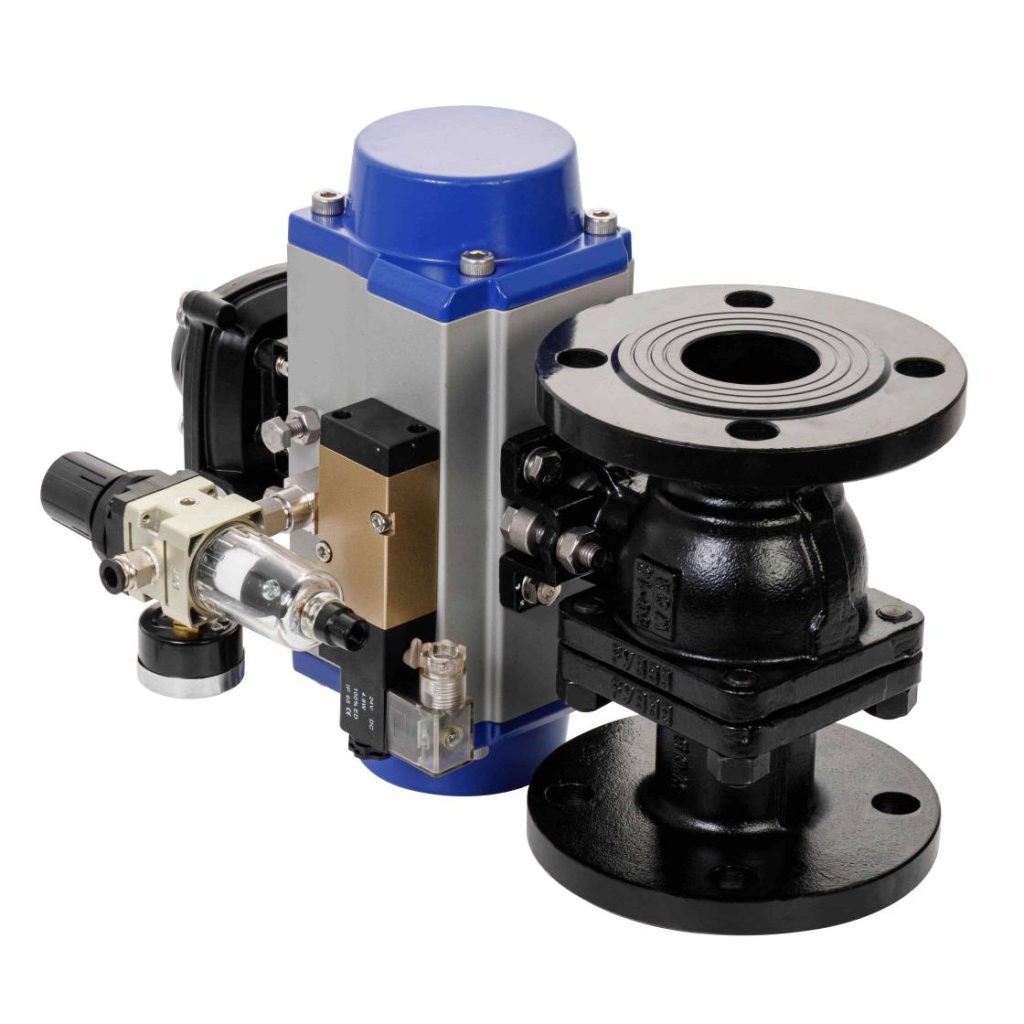
A pneumatic ball valve consists of a hollow, perforated ball that rotates within a valve body. The primary function of this valve is to regulate the flow of liquids and gases through pipes. When the valve is open, the hole in the ball aligns with the pipe, allowing fluid to pass through. When the valve is closed, the ball rotates 90 degrees, blocking the flow path and stopping the fluid. The valve is actuated by pneumatic power, meaning compressed air or gas is used to control the valve’s movement. This is in contrast to manual or electric actuators, offering certain advantages such as faster operation and the ability to operate in hazardous environments. Pneumatic actuators can be single-acting, which rely on a spring return to close the valve when air pressure is released, or double-acting, which require continuous air supply to open and close the valve.
Leave a Reply