In modern industrial settings, maintaining optimal air quality and equipment efficiency is paramount. One crucial tool that plays a significant role in achieving these goals is the industrial filter fan. These innovative devices have revolutionized ventilation and air purification systems across various industries, safeguarding both processes and personnel.
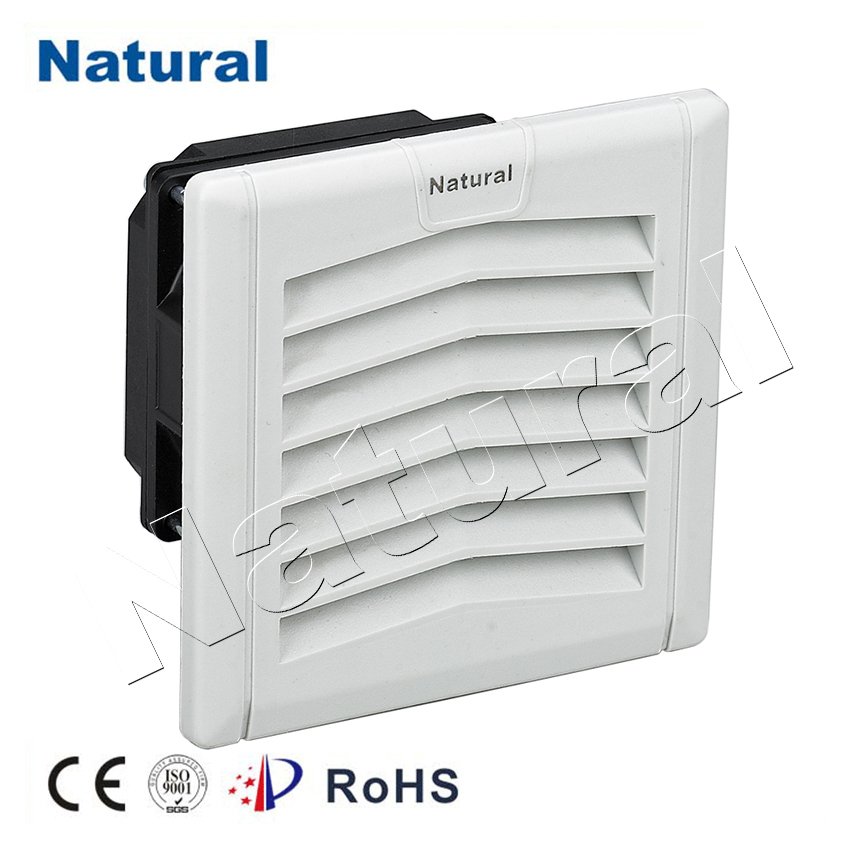
Industrial Filter Fans: A Brief Overview Industrial filter fans are sophisticated ventilation units equipped with both fan and filter components. Their primary function is twofold: to circulate air within an enclosed space and to eliminate airborne contaminants. These contaminants encompass a wide range, from dust and particulate matter to potentially harmful fumes and gases. As a result, the filter fan not only enhances indoor air quality but also prevents equipment damage and ensures a safer working environment. Key Features and Benefits Air Purification:The central feature of an industrial filter fan is its ability to purify the air. High-efficiency filters trap and remove particles as small as a few micrometers, enhancing the overall air quality. This is particularly essential in sectors like electronics manufacturing, pharmaceuticals, and food processing, where maintaining a clean environment is paramount to prevent product contamination. Equipment Protection:Airborne particles can have detrimental effects on machinery and equipment, leading to reduced lifespan and increased maintenance costs. Industrial filter fans mitigate this risk by preventing dust and debris from accumulating on sensitive components, ensuring smoother operations and fewer breakdowns. Energy Efficiency:Traditional ventilation systems often require substantial energy consumption. Industrial filter fans are designed with energy efficiency in mind, using advanced fan blade designs and motor technologies to optimize air circulation while minimizing power consumption. Customization:These filter fans are available in various sizes and configurations to suit the specific needs of different industries and spaces. Customizable features include airflow capacity, filtration efficiency, and integration with existing air management systems. Occupational Health:For industries dealing with hazardous substances, such as chemical manufacturing or metalworking, industrial filter fans are crucial in preventing employee exposure to harmful airborne elements. By removing and isolating these contaminants, filter fans contribute to a healthier workforce. Applications Across Industries Manufacturing:From automotive plants to textiles, industrial filter fans maintain clean air environments that are vital for producing high-quality products and meeting stringent industry standards. Data Centers:The sensitive electronics in data centers are susceptible to dust and temperature fluctuations. Filter fans help regulate temperature and prevent particle buildup that could compromise equipment performance. Warehousing:In storage facilities, these fans minimize dust and dirt accumulation on goods, ensuring they remain in pristine condition during storage. Pharmaceuticals:Hygiene and cleanliness are non-negotiable in pharmaceutical manufacturing. Filter fans play a critical role in maintaining sterile environments. Conclusion Industrial filter fans have redefined the standards of air quality and operational efficiency across a spectrum of industries. By improving air purity, safeguarding equipment, and contributing to employee health, these versatile devices continue to shape the future of industrial environments. As technology advances, we can expect even more sophisticated and effective filter fan systems that further optimize air quality and contribute to sustainable industrial practices.