In industrial settings, maintaining a healthy and safe environment is paramount. One essential component that plays a significant role in achieving this goal is the industrial filter fan. These unassuming devices are indispensable for ensuring proper ventilation, air quality, and employee well-being in various industrial operations.
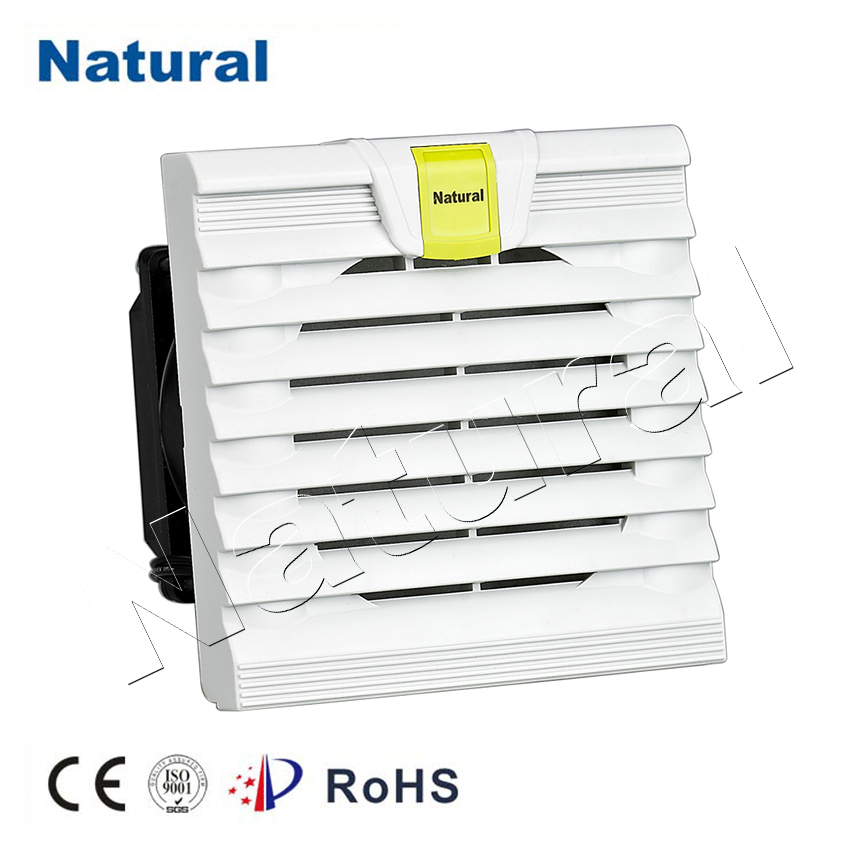
Industrial processes generate a myriad of airborne pollutants, ranging from dust and particulate matter to volatile chemicals and gases. Without effective filtration, these contaminants can accumulate within the workspace, leading to respiratory problems, equipment damage, and compromised product quality. This is where industrial filter fans step in, offering a multifaceted solution to these challenges. Air Filtration and Quality Improvement The primary purpose of industrial filter fans is to cleanse the air by removing particulates and pollutants. Equipped with high-efficiency filters, these fans can capture particles of varying sizes, from coarse dust to microscopic allergens. By consistently circulating and filtering the air, they significantly reduce the concentration of harmful substances, creating a healthier work environment. Improved air quality isn’t just about maintaining employee health; it also enhances the longevity of equipment and machinery. Dust and debris can clog machinery, leading to breakdowns and costly repairs. By preventing these contaminants from settling, filter fans indirectly contribute to the efficiency and productivity of industrial operations. Temperature and Humidity Regulation Industrial environments often experience fluctuations in temperature and humidity due to the nature of the processes taking place. Excessive heat and moisture can impact both employee comfort and equipment functionality. Filter fans aid in temperature and humidity regulation by facilitating proper airflow. By maintaining optimal conditions, these fans help prevent condensation, which can lead to corrosion and mold growth. Contaminant Control in Hazardous Areas Certain industries, such as chemical manufacturing and pharmaceuticals, involve the use of hazardous materials. In such environments, containing and controlling airborne contaminants is of paramount importance. Industrial filter fans equipped with specialized filters designed to handle hazardous substances provide an extra layer of protection. These fans capture and contain toxic fumes and particles, preventing them from spreading and minimizing the risk of exposure. Energy Efficiency and Sustainability In the pursuit of more sustainable industrial practices, energy efficiency is a crucial consideration. Industrial filter fans are designed to be energy-efficient, often incorporating features such as variable speed controls and sensor-based activation. By adapting their operation to the specific needs of the environment, these fans minimize energy consumption and associated costs. Conclusion Industrial filter fans might not be the most conspicuous elements in a workspace, but their impact on air quality, safety, and productivity is undeniable. By efficiently filtering the air, regulating temperature and humidity, and controlling contaminants in hazardous areas, these devices contribute significantly to the overall well-being of employees and the success of industrial operations. As industries continue to prioritize sustainability and worker health, the role of industrial filter fans is poised to become even more critical in the years to come.