Introduction
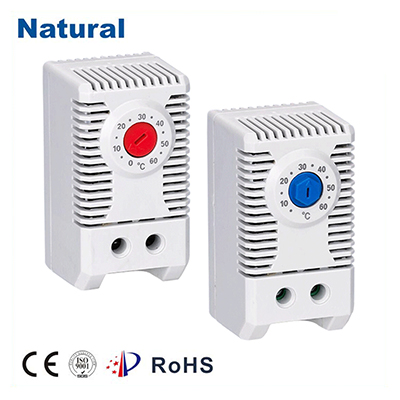
In the world of modern technology and industrial processes, maintaining precise temperature control is paramount for efficient operations and the longevity of equipment. High temperature thermostats have emerged as indispensable components in various applications, where extreme heat demands accuracy and reliability. This article delves into the significance, working principles, applications, and advancements in high temperature thermostats. The Significance of High Temperature Thermostats High temperature thermostats are specialized devices designed to regulate temperatures in environments where conventional thermostats would falter. These advanced thermostats ensure that machinery, chemicals, and processes remain within specified temperature ranges, preventing overheating, material degradation, and operational inefficiencies. Their ability to maintain stability even at extreme temperatures makes them crucial in sectors like aerospace, metallurgy, manufacturing, and research. Working Principles High temperature thermostats operate on the principle of thermal expansion and contraction of materials. They are equipped with sensors that measure the temperature and send signals to a control unit. This unit then activates or deactivates the heating element or cooling system to maintain the desired temperature. To withstand extreme heat, these thermostats employ specialized materials like ceramics, refractories, and advanced alloys that can handle the thermal stress. Applications Aerospace Industry: High temperature thermostats play a vital role in aerospace engineering, where jet engines and space vehicles endure intense heat during operation. These thermostats ensure that critical components remain within safe temperature limits, enhancing efficiency and reliability. Metallurgy and Heat Treatment: Heat treatment processes in metallurgy demand precise temperature control. High temperature thermostats facilitate annealing, tempering, and hardening processes by maintaining accurate and consistent temperatures, resulting in superior material properties. Manufacturing Processes: Industries such as glass manufacturing, semiconductor fabrication, and ceramics production require stable high temperatures. High temperature thermostats contribute to consistent product quality and reduced wastage by preventing temperature fluctuations. Research and Development: Laboratories working on advanced materials, polymers, and chemicals rely on high temperature thermostats for controlled experiments. These thermostats enable researchers to replicate extreme conditions accurately and study the behavior of materials. Advancements in High Temperature Thermostats Recent advancements in materials science, sensor technology, and control systems have led to improvements in high temperature thermostats: Advanced Materials: New materials, such as graphene-based composites and high-temperature ceramics, offer enhanced thermal stability and durability, allowing thermostats to withstand even higher temperatures. Sensor Precision: High-precision sensors enable finer temperature control, reducing temperature deviations to negligible levels and improving overall process efficiency. Remote Monitoring and Control: Integration with the Internet of Things (IoT) allows for remote monitoring and control of high temperature thermostats. This feature enhances operational flexibility and minimizes the need for on-site adjustments. Conclusion High temperature thermostats are indispensable tools that ensure precision and reliability in extreme heat conditions. Their applications span across industries critical to modern society, enabling advancements in aerospace, metallurgy, manufacturing, and research. With ongoing advancements, high temperature thermostats continue to play a pivotal role in pushing the boundaries of what’s achievable in the face of extreme temperatures.