Introduction
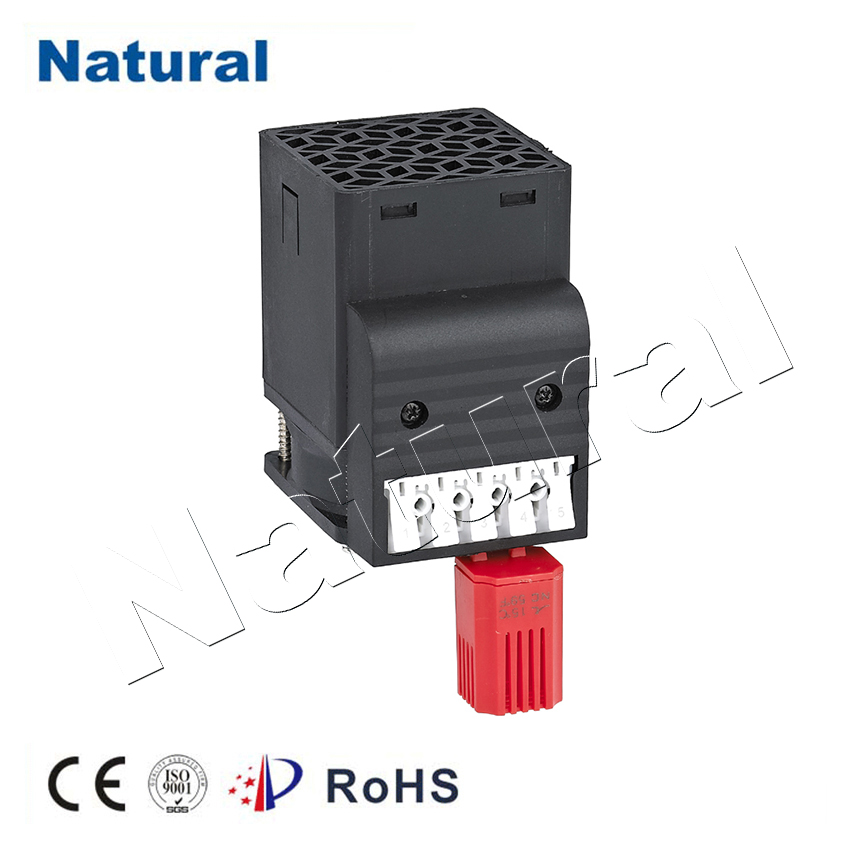
In the modern world, where comfort and efficiency go hand in hand, technological advancements have transformed even the most basic household appliances. Among these, the heater thermostat stands out as a crucial innovation. A heater thermostat is a device that regulates temperature by controlling the operation of a heating system. In this article, we will explore the significance of heater thermostats, their working principle, and their impact on energy efficiency and comfort. The Working Principle of Heater Thermostats A heater thermostat serves as the brain behind a heating system, ensuring that the environment remains at the desired temperature. The underlying principle is simple yet effective: it detects the current temperature and compares it to the preset target temperature. If the actual temperature deviates from the desired level, the thermostat triggers the heating system to turn on or off accordingly. This continuous monitoring and adjustment process maintains a consistent and comfortable temperature in the living space. Energy Efficiency: Reducing Waste, Saving Money Heater thermostats play a pivotal role in promoting energy efficiency. Traditional heating systems often operated at a fixed rate, resulting in unnecessary energy consumption and high utility bills. With the advent of thermostat-controlled systems, energy waste has been significantly reduced. The ability to set specific temperature limits means that the heating system operates only when needed, minimizing the duration for which it stays active. This targeted approach translates into substantial energy savings and a reduced carbon footprint, making heater thermostats an environmentally friendly option. Enhancing Comfort and Convenience Beyond energy efficiency, heater thermostats greatly enhance the overall comfort and convenience of indoor living. Imagine returning home on a chilly day to find your living space already at the perfect warmth. This scenario is made possible by programmable thermostats, which allow users to schedule temperature changes according to their daily routines. Whether you’re waking up in the morning or returning home after work, the thermostat ensures a welcoming environment without the need for constant manual adjustments. Smart Thermostats: The Next Level of Control As technology continues to advance, so do the capabilities of heater thermostats. Smart thermostats have emerged as a revolutionary addition to modern homes. These devices are equipped with Wi-Fi connectivity and can be controlled remotely via smartphone apps or voice assistants. This level of connectivity grants users unprecedented control over their heating systems. You can adjust the temperature while away from home, ensuring that you arrive to optimal comfort. Moreover, smart thermostats often include learning algorithms that adapt to your preferences and habits, further optimizing energy usage. Considerations and Installation When considering a heater thermostat, there are a few factors to keep in mind. First, compatibility with your heating system is crucial. Some thermostats are designed for specific types of heating systems, so be sure to choose one that suits your setup. Second, proper installation is key to its effective functioning. While some installations can be DIY projects, it’s advisable to consult a professional for complex systems to ensure optimal performance and safety. Conclusion In the realm of home heating, the humble heater thermostat emerges as a hero of both comfort and sustainability. Its ability to regulate temperature, promote energy efficiency, and enhance convenience showcases its significance in modern living. As technology advances, the thermostat’s role continues to evolve, with smart thermostats taking control and customization to new heights. So, the next time you step into a cozy and well-heated home, remember the unsung hero behind the scenes: the heater thermostat.