Introduction
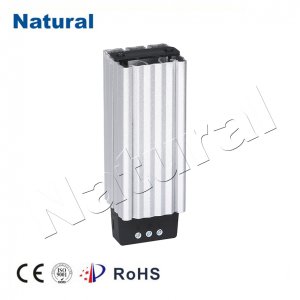
In the ever-evolving landscape of technology and engineering, the realm of heater manufacturing has undergone remarkable transformations. From traditional heating methods to cutting-edge innovations, the industry has continually strived to enhance both comfort and energy efficiency. This article delves into the world of heater manufacturing, exploring its evolution, modern advancements, and the impact on our daily lives. The Evolution of Heater Manufacturing Heater manufacturing has come a long way since its inception. Early heaters primarily relied on combustion processes and basic radiative heat transfer. As demand for more efficient and safer heating solutions grew, the industry shifted towards developing more sophisticated and reliable heating technologies. With the advent of electricity, electric heaters emerged, offering a cleaner and more controllable heat source. These developments laid the foundation for the plethora of options available today. Modern Innovations In recent years, breakthroughs in materials science, automation, and energy management have driven significant advancements in heater manufacturing. One notable innovation is the incorporation of smart technology into heating systems. Smart heaters can be remotely controlled and programmed, allowing users to adjust temperature settings even when they are away from home. This not only enhances convenience but also contributes to energy savings by preventing unnecessary heating. Furthermore, the integration of sensors and thermostats has enabled heaters to adapt to their surroundings, optimizing energy consumption based on real-time conditions. Advanced algorithms analyze data such as room occupancy, outside temperature, and even user preferences to regulate heating output efficiently. This not only reduces energy waste but also contributes to a more sustainable approach to comfort. Energy Efficiency and Environmental Impact With increasing concerns about environmental sustainability, heater manufacturers have placed a strong emphasis on energy efficiency. Energy-efficient heaters not only reduce utility bills but also minimize carbon footprints. Many companies now prioritize the use of renewable energy sources in their heater designs, such as solar-powered or geothermal heating systems. Additionally, the development of energy-efficient insulation materials ensures that heat generated is retained for longer periods, reducing the need for constant heating. Health and Comfort Considerations Heater manufacturers have also taken strides to prioritize indoor air quality and user comfort. Traditional heating methods, such as combustion-based systems, often produced byproducts that could compromise air quality. Modern heaters are designed to emit minimal pollutants and are equipped with advanced filtration systems to ensure clean and healthy indoor air. Moreover, advancements in radiant heating technology have led to more even and comfortable heat distribution. This eliminates the problem of uneven heating often associated with conventional heaters, creating a cozier and more comfortable living environment. Conclusion The heater manufacturing industry has witnessed remarkable advancements, shaping the way we experience comfort and energy efficiency in our homes and workplaces. From the rudimentary heating methods of the past to the smart and sustainable solutions of today, innovation has driven the evolution of heaters. As technology continues to advance, it is likely that heater manufacturing will continue to prioritize user comfort, energy efficiency, and environmental sustainability, contributing to a more comfortable and sustainable future for all.