In various industrial settings, ensuring safety is of paramount importance, especially in environments where hazardous materials or volatile substances are present. One crucial aspect of maintaining safety in such conditions is the use of specialized equipment, such as Hazardous Area Thermostats. These innovative devices play a pivotal role in preventing potential disasters by regulating temperature in volatile environments, thus safeguarding both personnel and assets.
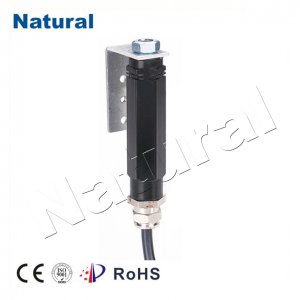
Understanding Hazardous Area Thermostats Hazardous Area Thermostats, also known as explosion-proof thermostats, are designed to operate in environments where flammable gases, vapors, liquids, or combustible dust are present. These areas, commonly found in industries like petrochemical, oil and gas, mining, and pharmaceuticals, pose a high risk of fire or explosion due to the presence of ignitable substances. Traditional thermostats are not suitable for such environments, as they lack the necessary safeguards to prevent sparking or overheating. Key Features and Functions Hazardous Area Thermostats are built to adhere to stringent safety standards and certifications. They are constructed using robust, non-sparking materials that can withstand the conditions of hazardous environments. These thermostats are designed to operate in a manner that eliminates the risk of ignition, ensuring that no sparks or high temperatures are generated that could potentially ignite flammable substances nearby. One of the primary functions of these thermostats is precise temperature control. They can maintain a consistent temperature range by turning heating or cooling systems on and off as needed. This helps to prevent any drastic fluctuations in temperature that could trigger dangerous reactions in the hazardous area. Types of Hazardous Area Thermostats There are two main types of Hazardous Area Thermostats: line-sensing thermostats and immersion-sensing thermostats. Line-sensing Thermostats:These are installed along the pipeline or equipment being monitored. They sense the temperature of the surface to which they are attached and control the heating or cooling mechanisms accordingly. Immersion-sensing Thermostats:These are immersed directly into the substance whose temperature needs to be controlled. They are commonly used in containers or tanks holding hazardous liquids. Benefits of Hazardous Area Thermostats The use of Hazardous Area Thermostats offers several significant benefits: Enhanced Safety:The most obvious benefit is the enhanced safety they provide. By preventing sparks and overheating, these thermostats significantly reduce the risk of fires or explosions in hazardous areas. Compliance:Industries operating in hazardous environments are subject to strict safety regulations. Using certified Hazardous Area Thermostats ensures compliance with these regulations, avoiding potential penalties or legal issues. Reduced Downtime:Temperature fluctuations can lead to equipment malfunction and downtime. By maintaining consistent temperatures, these thermostats contribute to smoother operations and increased productivity. Asset Protection:Hazardous Area Thermostats protect not only personnel but also valuable equipment and assets from potential damage caused by extreme temperatures or hazardous reactions. Conclusion Hazardous Area Thermostats stand as a prime example of innovation meeting safety requirements in challenging environments. Their ability to regulate temperature while mitigating the risk of ignition is crucial in preventing catastrophic events. As industries continue to evolve and expand, ensuring the safety of both workers and operations remains a top priority. The continued development and implementation of advanced technologies like Hazardous Area Thermostats play a pivotal role in achieving this goal, paving the way for safer industrial practices.