In the realm of industrial equipment and electronic components, maintaining appropriate temperature levels within enclosures and cabinets is paramount. Excessive heat can lead to reduced performance, shortened lifespan, and even catastrophic failure of sensitive equipment. To combat these challenges, engineers and manufacturers have turned to innovative solutions such as filter fans. These compact devices play a crucial role in ensuring efficient ventilation and cooling, safeguarding the integrity and functionality of enclosed systems.
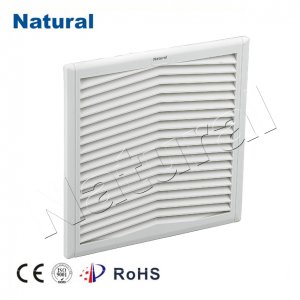
The Importance of Proper Ventilation and Cooling Enclosures and cabinets are the guardians of delicate electronic components, protecting them from environmental factors such as dust, moisture, and pollutants. However, these protective environments can inadvertently create a thermal challenge, as they may trap heat generated by the equipment. Without adequate ventilation and cooling mechanisms, the internal temperature can rise to critical levels, compromising the functionality and reliability of the components within. Introducing Filter Fans Filter fans are ingenious devices designed to address the heat buildup within enclosures and cabinets while simultaneously maintaining a clean and dust-free internal environment. These fans are typically mounted on the enclosure walls or panels, and they draw in cooler external air while expelling warm air from within. The integration of a filter element ensures that the incoming air is free from contaminants, preventing the buildup of dust and particles that could impair the equipment’s performance. Key Benefits of Filter Fans Temperature Regulation: The primary role of filter fans is to regulate the temperature inside enclosures. By expelling warm air and drawing in cooler air, they help maintain a stable internal environment, preventing overheating and subsequent equipment malfunction. Dust and Particle Prevention: The filters incorporated into these fans effectively prevent dust and particles from entering the enclosure. This is particularly crucial in industrial settings where fine particles could interfere with delicate electronic components. Energy Efficiency: Filter fans are designed to operate intermittently, activating only when necessary. This intelligent operation conserves energy while ensuring optimal cooling efficiency. Extended Equipment Lifespan: By maintaining an ideal temperature range, filter fans contribute to the extended lifespan of enclosed components, reducing the need for frequent replacements or repairs. Versatile Installation: These fans are available in various sizes and configurations, making them suitable for a wide range of enclosure types and sizes. Cost-Effective Solution: Filter fans offer a cost-effective alternative to more complex cooling systems, providing a reliable cooling mechanism without significant installation or maintenance expenses. Selecting the Right Filter Fan Choosing the appropriate filter fan requires careful consideration of various factors, including enclosure size, heat load, and environmental conditions. Engineers must also assess the airflow requirements and select fans with sufficient capacity to ensure effective cooling. It’s essential to collaborate with reputable manufacturers who provide high-quality, durable, and certified products. Conclusion Filter fans stand as indispensable components in the modern world of electronics and industrial equipment. By facilitating proper ventilation and cooling, these devices help maintain optimal operating conditions within enclosures and cabinets. They safeguard sensitive components, extend equipment lifespan, and contribute to overall system reliability. As technology continues to advance, the role of filter fans in preserving the integrity of enclosed systems remains more critical than ever before.