A Capacitor Precharge Circuit Relay is a crucial component in power electronic systems, particularly in high-voltage environments like electric vehicles (EVs), uninterruptible power supplies (UPS), and other sensitive electronic equipment. The purpose of this circuit is to protect system components from the damaging effects of high inrush currents when charging capacitors. By enabling a gradual voltage increase across the capacitor, the precharge relay prevents sudden surges of current that can harm switches, capacitors, and other sensitive components. In this article, we will explore the importance, working principles, components, and applications of the Capacitor Precharge Circuit Relay, highlighting its role in modern power systems.
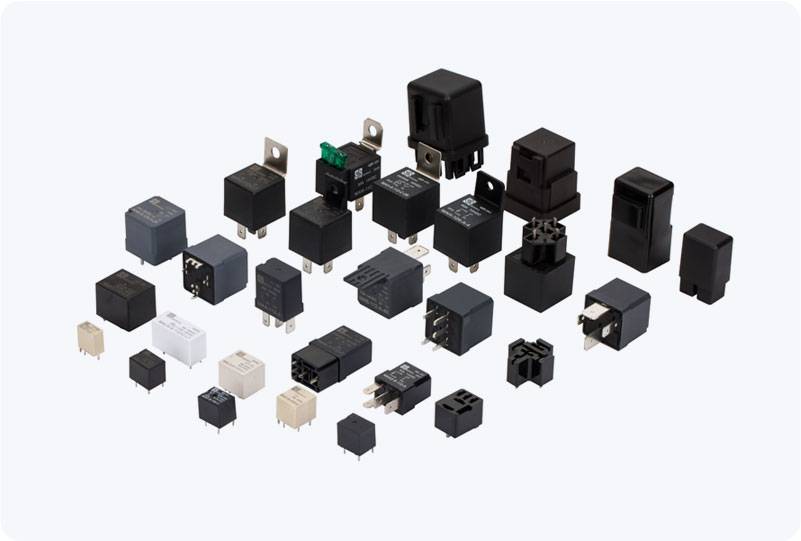
Understanding the Role of a Capacitor Precharge Circuit Capacitors are vital components in various electronic systems, storing energy and stabilizing voltages. However, when capacitors are initially connected to a power source, their voltage is usually much lower than the supply voltage, causing a large current to flow through the system. This inrush current can be damaging to the components involved, leading to overheating, degradation, or even failure of critical parts. The Capacitor Precharge Circuit Relay serves as a preventive measure against these issues by controlling the charging process of the capacitor and ensuring that it charges gradually, avoiding the damaging effects of high currents.
Leave a Reply