Introduction
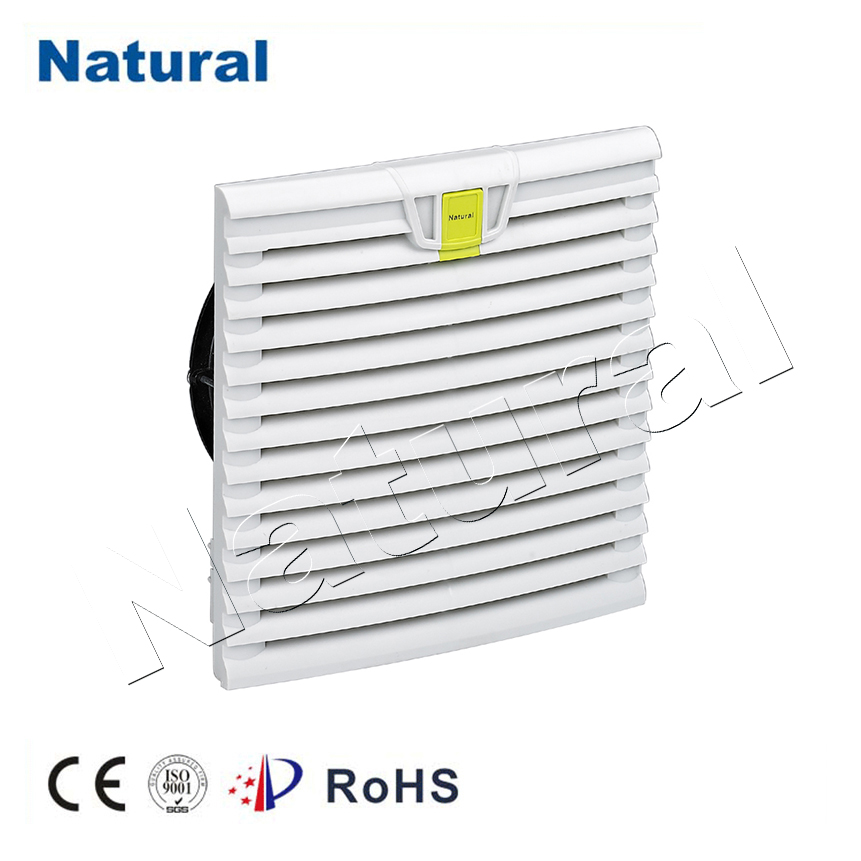
In today’s fast-paced world, ensuring clean and fresh indoor air has become an essential aspect of maintaining a healthy and comfortable living environment. With the increasing concerns about air pollution and allergens, the demand for effective air purification solutions has risen significantly. Among these solutions, fan filters stand out as a versatile and efficient tool for improving indoor air quality. This article explores the benefits and functionality of fan filters in enhancing air quality, making our living spaces safer and more enjoyable. The Role of Fan Filters Fan filters play a crucial role in maintaining a clean and pollutant-free indoor atmosphere. They are designed to trap particles suspended in the air, such as dust, pollen, pet dander, and even harmful microorganisms. By capturing these airborne contaminants, fan filters prevent them from recirculating throughout the room, thus reducing the risk of respiratory issues and allergies. Improved Health and Well-being One of the primary advantages of using fan filters is the positive impact on human health. Indoor air can be laden with various pollutants, and prolonged exposure to these pollutants can lead to respiratory problems, allergies, and other health issues. Fan filters help mitigate these concerns by effectively removing harmful particles, creating an environment conducive to better health and overall well-being. Clean air can contribute to better sleep, enhanced concentration, and reduced stress levels, thereby improving the quality of life for occupants. Effective Allergen Control For individuals with allergies or sensitivities to airborne allergens, such as pollen and pet dander, fan filters are invaluable. These filters can capture even the tiniest particles that often trigger allergic reactions. By reducing the presence of allergens in the indoor air, fan filters provide relief to allergy sufferers, allowing them to enjoy their living spaces without constant discomfort or the need for excessive medication. Mitigating Respiratory Risks In addition to allergies, poor indoor air quality can exacerbate respiratory conditions such as asthma. Fan filters help create an environment where the air is free from irritants and pollutants that can trigger asthma symptoms. By removing these triggers from the air, fan filters contribute to a safer and more controlled environment, reducing the frequency and severity of asthma attacks. Energy Efficiency and Sustainability Modern fan filter technology is designed with energy efficiency in mind. Many fan filters are equipped with programmable settings and sensors that adjust the filtration levels based on the air quality. This not only ensures optimal performance but also conserves energy by operating only when necessary. As a result, fan filters contribute to sustainability efforts by reducing energy consumption and minimizing waste. Easy Integration and Maintenance Fan filters are designed to be easily integrated into existing HVAC systems or used as standalone units. Their user-friendly design allows for straightforward installation and maintenance. Regular filter replacement is typically all that is required to keep the system running efficiently. This convenience makes fan filters a practical and hassle-free solution for homeowners and building managers. Conclusion In the quest for a healthier and more comfortable indoor environment, fan filters emerge as a vital tool for enhancing air quality. With their ability to capture pollutants, allergens, and irritants, fan filters provide a tangible way to improve respiratory health, alleviate allergies, and create a more pleasant living space. As technology continues to advance, these filters become increasingly energy-efficient and user-friendly, making them an accessible and effective solution for everyone. By embracing the power of fan filters, we can breathe easy and enjoy the benefits of cleaner air and a better quality of life.