Introduction
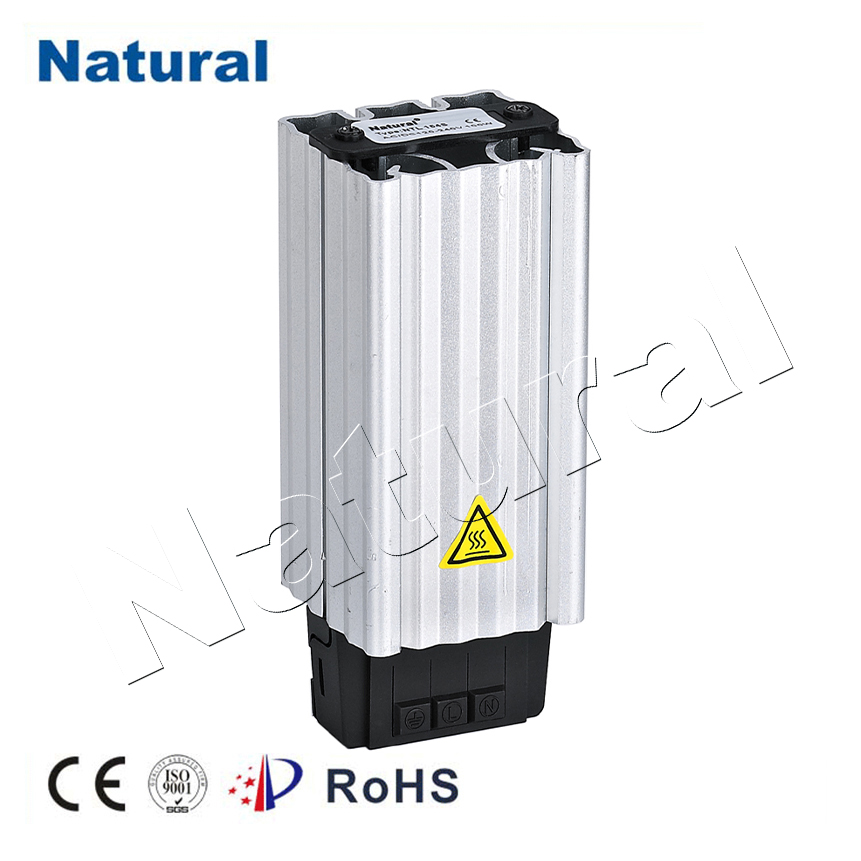
Factories play a crucial role in modern industrial production, and maintaining optimal working conditions within these facilities is of paramount importance. One essential aspect of ensuring a conducive environment is the use of efficient heating systems. Factories heaters not only provide warmth but also contribute to the overall productivity, safety, and comfort of workers. In this article, we will delve into the significance of factory heaters, their types, benefits, and the role they play in enhancing operational efficiency. Types of Factory Heaters Factory heaters come in various types, each designed to cater to specific needs and spaces. Some common types include: Industrial Space Heaters:These heaters are suitable for open or large spaces within factories. They distribute heat evenly and are often suspended from ceilings, minimizing the obstruction of valuable floor space. Ducted Heaters:Ideal for factories with duct systems in place, these heaters circulate warm air throughout the building. They are energy-efficient and provide consistent heating. Radiant Heaters:Radiant heaters emit infrared radiation that directly heats objects and people within their line of sight. They are effective for spot heating and are commonly used in areas where quick and targeted heating is required. Forced Air Heaters:These heaters use fans to distribute heated air rapidly, making them suitable for factories with ventilation systems. They are versatile and can be fueled by electricity, natural gas, or propane. Benefits of Factory Heaters Improved Comfort:Factory workers often have to endure harsh working conditions, especially during cold months. A well-functioning heating system enhances their comfort, leading to increased job satisfaction and potentially reduced absenteeism. Enhanced Productivity:Cold environments can hamper productivity as employees struggle to focus due to discomfort. Proper heating ensures that workers can concentrate fully on their tasks, thus boosting overall productivity. Reduced Risk of Accidents:Cold temperatures can lead to stiff muscles and reduced dexterity, increasing the risk of accidents. Adequate heating mitigates this risk by maintaining a comfortable and safe working environment. Material Integrity:Many factories deal with materials that can be sensitive to temperature fluctuations. Maintaining a consistent temperature helps preserve the quality and integrity of these materials. Energy Efficiency:Modern factory heaters are designed to be energy-efficient, minimizing both operational costs and environmental impact. Advanced features such as programmable thermostats and zone heating contribute to optimizing energy usage. Enhancing Operational Efficiency Factory heaters not only impact the workforce but also play a pivotal role in enhancing the operational efficiency of the facility as a whole. Optimized Processes:Certain industrial processes require specific temperature conditions to operate efficiently. Factory heaters ensure that these processes are carried out smoothly and consistently, reducing the chances of errors or delays. Inventory Management:Temperature-sensitive goods and materials, such as chemicals or perishable items, need controlled environments. Factory heaters help maintain these environments, preventing spoilage or degradation of products. Equipment Longevity:Machinery and equipment often function optimally within specific temperature ranges. A well-maintained heating system contributes to the longevity of these assets by preventing wear and tear caused by extreme temperatures. Conclusion Factory heaters are not mere luxuries; they are integral components of modern industrial environments. From ensuring worker comfort and safety to enhancing operational efficiency, these systems play a pivotal role in the smooth functioning of factories. With various types available, businesses can choose the heater that best suits their needs, promoting a productive, comfortable, and efficient work environment.