Electric Cabinet Thermostats: A Vital Component for Temperature Management
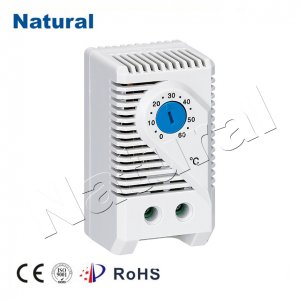
In the realm of modern technology and industrial processes, maintaining optimal operating conditions is essential to ensure the efficiency, longevity, and safety of various electronic components and equipment. One crucial element in achieving this delicate balance is the electric cabinet thermostat. This unassuming device plays a pivotal role in regulating temperature within enclosures, preventing overheating and safeguarding sensitive components from potential damage. An electric cabinet thermostat, also known as a cabinet temperature controller, is a device designed to monitor and control the temperature inside electrical enclosures, such as control panels, distribution cabinets, and server racks. These enclosures house critical components that generate heat during operation, and if left unchecked, excessive heat can lead to performance degradation, component failure, and even fire hazards. This is where the electric cabinet thermostat steps in, acting as a sentinel against temperature-related issues. The fundamental principle behind an electric cabinet thermostat involves maintaining a pre-set temperature range. When the temperature within the enclosure exceeds the upper limit of this range, the thermostat triggers cooling mechanisms to lower the temperature. Conversely, if the temperature drops below the lower limit, the thermostat activates heating elements. This cyclical process ensures that the environment within the enclosure remains within the desired temperature range, promoting optimal functioning. The electric cabinet thermostat operates through a combination of sensor technology and control circuitry. Modern variants utilize advanced sensors, such as thermocouples or resistance temperature detectors (RTDs), to accurately measure the internal temperature. This data is then transmitted to the control circuitry, which processes the information and initiates appropriate actions. These actions could include activating fans, opening vents, or engaging heaters, depending on the specific requirements of the enclosure. Industries that heavily rely on electronic components, such as manufacturing, telecommunications, and energy, benefit significantly from the implementation of electric cabinet thermostats. For instance, in a manufacturing plant, various control panels are responsible for operating machinery. If these panels overheat, it could lead to machinery malfunction or production delays. Electric cabinet thermostats ensure that such incidents are mitigated by maintaining the optimal working temperature of these panels. Server rooms and data centers also reap substantial rewards from electric cabinet thermostats. With racks of servers generating substantial heat, precise temperature regulation is crucial to prevent server downtime and extend equipment lifespan. Electric cabinet thermostats work tirelessly to keep these environments within the safe temperature range, thus enhancing operational reliability. In conclusion, the electric cabinet thermostat might be a humble component, but its impact is monumental when it comes to safeguarding electronic equipment and ensuring seamless operations. By tirelessly monitoring and controlling the temperature within enclosures, these devices prevent overheating, component failures, and potential safety hazards. From manufacturing facilities to data centers, the electric cabinet thermostat is an unsung hero that maintains the delicate balance between optimal performance and potential disaster. As technology continues to advance, so does the importance of these unassuming temperature regulators, working silently to uphold the efficiency and longevity of our modern world.