Introduction
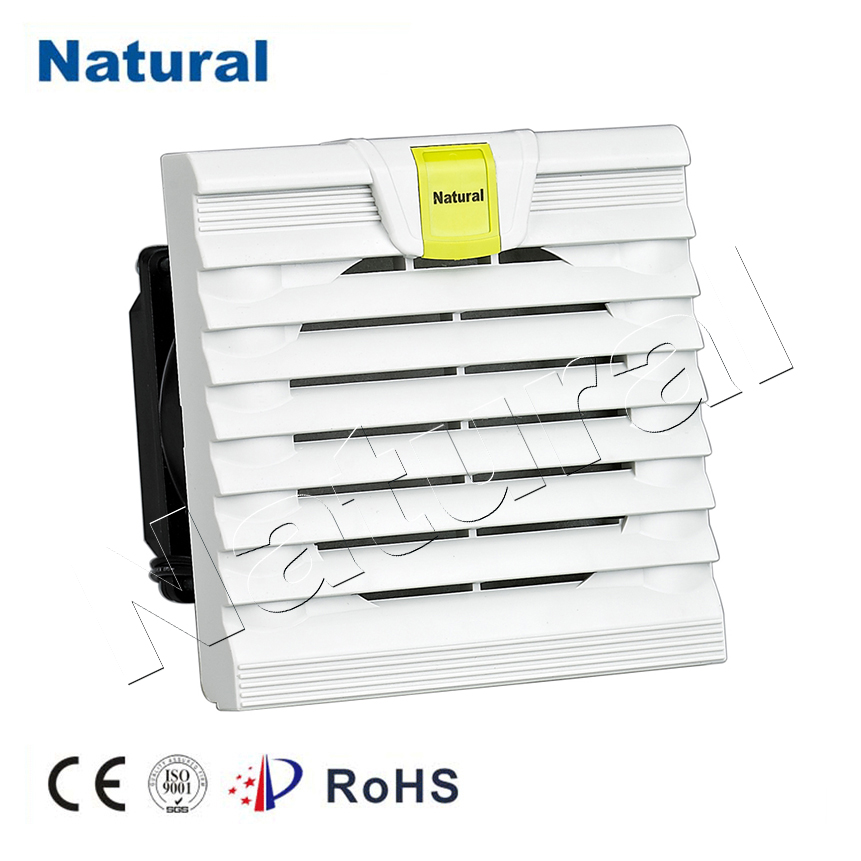
In the realm of image processing and computer vision, the Cabinet Filter stands as a remarkable tool that has gained substantial attention for its versatile capabilities. This filter, though relatively less known than some other image processing techniques, has proven to be a valuable asset in various applications. In this article, we will delve into the concept of the Cabinet Filter, its principles, applications, and its potential impact on the world of digital imagery. Understanding the Cabinet Filter The Cabinet Filter is a type of non-linear image processing technique that falls under the category of edge-preserving filters. It is particularly adept at smoothing images while retaining important details, such as edges and textures. Unlike traditional linear filters, the Cabinet Filter takes into account the local structure of the image, resulting in a more adaptive and context-aware processing. Principles and Mechanism At its core, the Cabinet Filter operates by analyzing the relationship between the pixel intensities within a given image and its surrounding pixels. This analysis involves the calculation of an affinity matrix, which essentially measures the similarity between pixels. Through this process, the Cabinet Filter can identify regions of similar intensity and preserve the edges by smoothing only the less significant details. One of the intriguing aspects of the Cabinet Filter is its parameter control, allowing users to adjust the level of smoothing and edge preservation. This adaptability makes it suitable for various scenarios, from artistic image stylization to medical image denoising. Applications in Image Processing The Cabinet Filter’s prowess extends to several domains within image processing. One of its primary applications lies in image denoising. By selectively reducing noise while preserving image features, the Cabinet Filter has found its way into medical imaging, enhancing the quality of MRI scans and X-ray images. Moreover, it aids in improving image segmentation by refining the edges of objects, contributing to more accurate computer vision tasks like object recognition. Artistic Rendering and Beyond Beyond its technical applications, the Cabinet Filter has gained traction in the realm of artistic rendering. Photographers and digital artists employ this filter to create visually appealing images with a unique balance between smoothness and detail. The Cabinet Filter’s ability to simulate traditional artistic techniques, such as pencil sketching and painting, has made it a favorite tool among creatives looking to add a touch of elegance to their work. Potential Challenges and Future Developments While the Cabinet Filter offers numerous benefits, it’s not devoid of challenges. The computational complexity of the affinity matrix calculation can be resource-intensive, especially for high-resolution images. Researchers are actively exploring optimizations to make the filter more efficient and accessible. Looking ahead, the Cabinet Filter’s potential seems promising. Its adaptive nature and ability to strike a balance between smoothing and preserving edges can find applications beyond image processing. Fields such as video processing, 3D modeling, and even machine learning could benefit from this unique approach to data transformation. Conclusion In conclusion, the Cabinet Filter stands as a powerful tool in the world of image processing and beyond. Its ability to selectively smooth images while preserving vital details sets it apart from traditional linear filters. From medical imaging to artistic rendering, this versatile technique showcases its adaptability and potential impact across various domains. As technology continues to evolve, the Cabinet Filter could very well play a pivotal role in shaping the future of digital imagery and beyond.